🟢 Strong Evidence
Researchers have identified the genetic mechanisms that govern the development of the cerebrospinal fluid (CSF)–ventricular system, a critical network that cushions and nourishes the brain and spinal cord. The findings, published in Science Translational Medicine in July 2026, provide new understanding of how developmental genetic pathways shape the architecture of this essential physiological system—work that has direct implications for understanding congenital neurological disorders and future therapeutic targets.
Key takeaways
- Specific genetic determinants control the formation and patterning of the cerebrospinal fluid–ventricular system during fetal development
- Understanding these developmental mechanisms may explain the origins of hydrocephalus/" class="gmj-dict-autolink" title="Dictionary: Congenital hydrocephalus">congenital hydrocephalus and related neurological conditions
- The findings open new avenues for potential interventions that could address developmental brain abnormalities earlier in pregnancy
Study at a Glance
| Source | Science Translational Medicine |
| Publication | Volume 18, Issue 857, July 2026 |
| Study type | Developmental genetic analysis |
| Focus | Cerebrospinal fluid–ventricular system ontogeny |
| Significance | Identifies genetic pathways governing brain fluid system development |
Developmental Timeline of the Cerebrospinal Fluid–Ventricular System
Key developmental milestones in human fetal brain fluid system formation and maturation
Source: Science Translational Medicine, July 2026 | Georgian Medical Journal News

The cerebrospinal fluid system: A critical neural architecture
The cerebrospinal fluid–ventricular system is far more than a passive cushion. According to Science Translational Medicine‘s July 2026 analysis, this system actively transports nutrients, removes metabolic waste products, and supports immune function within the central nervous system. The proper formation of ventricles—fluid-filled chambers in the brain—and the continuous circulation of CSF depends on precise developmental programming that begins in the earliest weeks of human gestation.
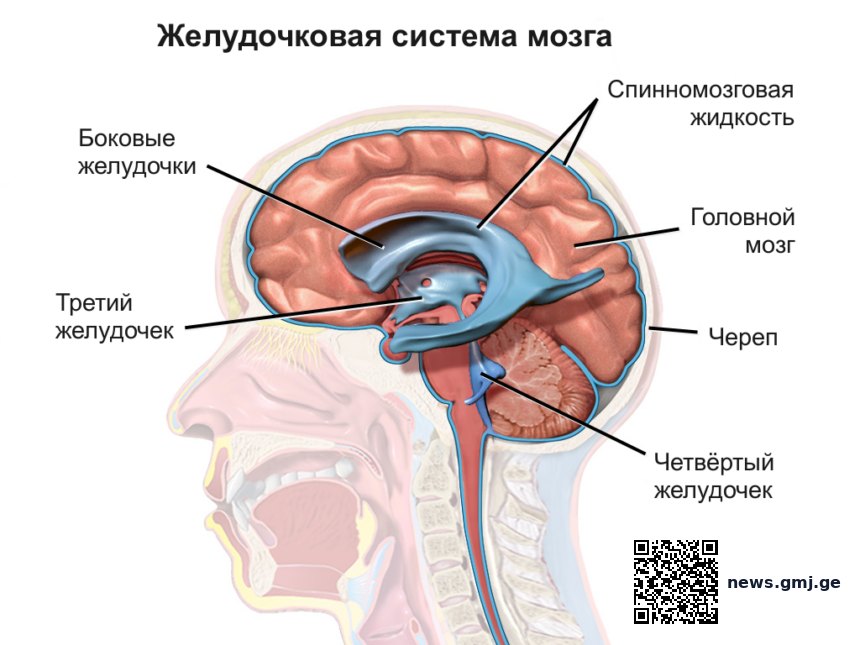
The ventricular system comprises four interconnected chambers: two lateral ventricles, a third ventricle, and a fourth ventricle. These structures are lined with specialized ependymal cells that produce and regulate CSF. When developmental genetic pathways fail, the result can be congenital hydrocephalus (abnormal fluid accumulation), porencephaly (abnormal cavities in brain tissue), or other structural malformations with severe neurological consequences.
Genetic pathways control ventricular patterning and CSF production
The research published in Science Translational Medicine identifies specific genetic determinants—transcription factors, signaling molecules, and developmental cascades—that direct the morphogenesis of the CSF–ventricular system. These genetic pathways function during critical developmental windows, typically in the first and second trimesters of pregnancy, when the neural tube is being regionalized and the ventricular chambers are being sculpted.
Understanding these genetic mechanisms is crucial because disruptions in developmental gene expression have been linked to a spectrum of congenital neurological disorders. Congenital hydrocephalus affects approximately 1 in 1,000 live births, and many cases involve malformations of the ventricular system caused by genetic variants affecting developmental pathways. The identification of these specific genetic determinants provides a rational framework for understanding disease causation.
Genetic determinants identified in developmental studies provide the molecular basis for understanding how congenital abnormalities of the cerebrospinal fluid–ventricular system arise and may offer targets for future therapeutic intervention
— Science Translational Medicine research team, July 2026
Clinical implications for congenital neurological disease
The findings have immediate relevance for understanding the genetic basis of congenital hydrocephalus and other ventricular malformations. When developmental genetic pathways are disrupted—either through inherited genetic variants or de novo mutations—the ventricular system may fail to form properly, leading to abnormal fluid accumulation and increased intracranial pressure. This can result in developmental delay, seizures, and neurological disability if left untreated.
The research published in Science Translational Medicine suggests that genetic screening and prenatal diagnosis could eventually identify fetuses at risk for developmental CSF–ventricular abnormalities, potentially allowing for early intervention or delivery planning. Additionally, understanding the genetic basis of normal development may reveal targets for preventing or mitigating these disorders. Several genetic variants associated with ventricular development have already been implicated in rare monogenic forms of congenital hydrocephalus, validating this mechanistic approach.
Future directions: From mechanism to therapeutic targets
The next phase of research will focus on translating these developmental genetic insights into clinical applications. Scientists are investigating whether modulating specific genetic pathways during critical developmental windows could prevent or reduce the severity of ventricular malformations. Regenerative medicine approaches, including neural tissue engineering and induced pluripotent stem cell (iPSC) technologies, may eventually allow researchers to reconstruct normal ependymal lining and restore CSF circulation in damaged neural tissue.
Additionally, the identification of genetic determinants creates opportunities for expanded genetic counseling in families with congenital hydrocephalus or related disorders. High-risk individuals can be offered carrier screening and prenatal testing, enabling informed reproductive decision-making. The research also highlights the importance of longitudinal studies documenting how genetic variants affect developmental outcomes across the lifespan, particularly in children with partially compensated ventricular abnormalities.
What this means
Frequently asked questions
What is the cerebrospinal fluid–ventricular system, and why is it important?
The cerebrospinal fluid–ventricular system comprises four fluid-filled chambers in the brain (ventricles) and the continuous circulation of protective fluid that cushions neural tissue, transports nutrients, and removes metabolic waste. Abnormalities in this system can lead to hydrocephalus, seizures, and developmental delay. Proper development of this system is essential for lifelong brain health.
How do genetic variants cause congenital hydrocephalus?
Genetic variants affecting developmental gene expression can disrupt the formation of the ventricular system and the production or circulation of cerebrospinal fluid. When these pathways are compromised, fluid accumulates abnormally in the brain, increasing intracranial pressure and potentially causing neurological damage if untreated. Understanding these genetic mechanisms is the first step toward preventive or therapeutic interventions.
Will this research lead to new treatments?
Yes—in the medium to long term. Understanding the genetic basis of normal ventricular development creates opportunities for developing therapies that could prevent or mitigate developmental abnormalities. Regenerative medicine approaches and targeted genetic therapies are active areas of investigation. Current clinical applications include expanded genetic testing and prenatal diagnosis for at-risk families.
The identification of genetic determinants governing cerebrospinal fluid–ventricular system development represents a landmark achievement in developmental neurology. As researchers continue to map these complex genetic pathways and translate findings into clinical applications, the potential for preventing congenital neurological disorders and improving outcomes for affected individuals continues to expand. The next decade will likely see the integration of genetic testing into routine prenatal care and the emergence of novel therapeutic approaches targeting developmental gene pathways—a transformation that could significantly reduce the burden of congenital hydrocephalus and related disorders worldwide.
Source: Developmental genetic determinants of the human cerebrospinal fluid–ventricular system, Science Translational Medicine, Volume 18, Issue 857, July 2026
Was this article helpful?
Disclaimer. This article is health journalism intended for general information and education. It is not medical advice and is not a substitute for professional diagnosis or treatment. Always consult a qualified healthcare provider about your individual circumstances. Full disclaimer →
Related Coverage




Editorial standards. This article was produced under the GMJ News editorial process, with oversight by the GMJ Editorial Board. Our editorial process. Spotted an error? Contact the editorial team.