


Home › Topics › Congenital Anomalies
Congenital Anomalies
GMJ News knowledge hub · last reviewed October 2026 · Georgian Medical Journal
SummaryStatisticsGlossaryGMJ newsFAQDocumentsOrganizationsResearch
Congenital anomalies — structural or functional abnormalities present at birth — affect approximately 6.1 million children born per year and cause 303,000 neonatal deaths annually, accounting for nearly 10% of all under-5 deaths globally (WHO). Many are preventable through proven public health measures: folic acid supplementation prevents 50-70% of neural tube defects; rubella vaccination prevents congenital rubella syndrome; iodine supplementation prevents cretinism; and avoidance of teratogenic medicines and infections prevents many others. The WHO Resolution WHA63.17 calls for integration of birth defects surveillance and prevention into national health plans.
Key messages
303,000 neonatal deaths per year
Congenital anomalies (birth defects) cause approximately 303,000 neonatal deaths annually — accounting for nearly 10% of all under-5 deaths. They are the 5th leading cause of under-5 mortality globally (WHO).
Folic acid prevents neural tube defects
Periconceptional folic acid supplementation (400 μg/day) prevents 50-70% of neural tube defects — including spina bifida and anencephaly. It is one of the most impactful, cheapest and best-evidenced preventive health interventions.
Majority are preventable or treatable
An estimated 50-60% of congenital anomalies have known risk factors that are modifiable or have effective preventive measures. Many — including congenital heart defects (the most common type) — are surgically correctable.
Most occur in LMICs
94% of severe congenital anomalies occur in low- and middle-income countries where maternal nutrition, vaccination and teratogen avoidance are hardest to achieve. 95% of those born with a serious congenital anomaly in LMICs die in the first year without access to surgical care.
WHA resolution WHA63.17
The WHO resolution on birth defects (WHA63.17, 2010) calls for integration of congenital anomaly surveillance and prevention into national health plans — including periconceptional care, genetics counselling and newborn screening.
Newborn screening is life-saving
Newborn screening for congenital metabolic disorders (phenylketonuria, congenital hypothyroidism, galactosaemia) enables early treatment that prevents intellectual disability and death. Heel-prick blood spot screening is standard in all high-income countries; access is absent in most LMICs.
Key statistics
Congenital anomalies causing most neonatal deaths globally (thousands/year) — WHO/Lancet
Source: WHO. Congenital heart defects are the most common; neural tube defects are among most preventable.
Glossary of key terms
Latest GMJ coverage
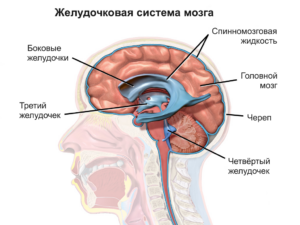
Genetic Blueprint for Brain Fluid System Reveals Developmental Insights
25/09/2026

WHO calls for urgent expansion of newborn screening to prevent 8 million annual birth defects
08/08/2026

The Developmental Logic Behind Finger Length Variation in Humans
29/09/2026

US Infant Mortality Reaches Historic Low, Yet Lags Peer Nations
09/07/2026

Heart’s First Beat Emerges From Collective Cellular Synchronization, Not Single Pacemaker
16/08/2026

Multivitamin supplements show clear benefits for cognitive function and pregnancy outcomes
24/05/2026
Frequently asked questions 12 Q&A — structured for Google featured snippets and AI discovery
Knowledge hub: guidelines, conventions and reports
Organizations working in migration and health
Related health topics
Newborn healthMaternal healthVaccines (rubella)Nutrition (folic acid)Zika virus (microcephaly)Rare diseases
About this hub. Produced by the GMJ News Editorial Team as a public-good service. Every statistic is linked to its primary source. Documents are preserved in the GMJ Repository with full attribution. Georgian Medical Journal · Contact the editorial team