


Zika Virus
GMJ News knowledge hub · last reviewed September 2026 · Georgian Medical Journal
SummaryStatisticsGlossaryGMJ newsFAQDocumentsOrganizationsResearch
The 2015-2016 Zika virus pandemic — causing the largest outbreak of a previously rare arbovirus ever recorded — demonstrated how rapidly a mosquito-borne pathogen can threaten global health: WHO declared a PHEIC in February 2016 after Zika was linked to a dramatic surge in microcephaly and other congenital abnormalities in Brazil (WHO). Transmitted by Aedes aegypti and sexually, Zika is mostly asymptomatic in adults but causes congenital Zika syndrome — microcephaly, brain malformations and developmental disability — when acquired during pregnancy. No approved vaccine or antiviral exists; vector control and sexual transmission prevention are the primary strategies.
Key messages
2016 PHEIC
WHO declared Zika virus a Public Health Emergency of International Concern in February 2016 — triggered by an unprecedented cluster of microcephaly and Guillain-Barré syndrome associated with Zika infection in Brazil. The PHEIC lasted 10 months.
Congenital Zika syndrome
Zika virus infection during pregnancy can cause congenital Zika syndrome: microcephaly (abnormally small head — from brain damage), other structural brain abnormalities, ocular defects, hearing loss, and limb contractures. The lifelong burden on affected children and families is enormous.
Sexual transmission
Unlike most arboviruses, Zika is also transmitted sexually — from both men and women — and can persist in semen for months. This made sexual transmission prevention (condoms) a key public health measure during the 2016 PHEIC.
Aedes aegypti vector
Zika is transmitted primarily by Aedes aegypti — the same mosquito that transmits dengue, yellow fever and chikungunya. Control of Aedes aegypti is therefore the shared strategy for all four diseases.
No vaccine or antiviral
Despite extensive research effort following the 2016 emergency, no approved vaccine or antiviral therapy for Zika exists. Multiple vaccine candidates reached Phase 1-2 trials but stalled as outbreak urgency reduced. Development continues for reproductive health protection.
Ongoing circulation
Zika continues to circulate in many parts of Africa, Asia, the Pacific Islands and the Americas — at lower intensity than the 2015-2016 epidemic but with continued congenital Zika syndrome cases. Surveillance remains important.
Key statistics
Countries and territories with Zika virus transmission by year (cumulative) — WHO/PAHO
Glossary of key terms
Latest GMJ coverage

Prenatal Zika exposure linked to vision, hearing deficits despite apparently healthy births
15/06/2026

New Molecular Diagnostic Kit Offers Rapid Detection for Multiple Arboviruses
23/09/2026
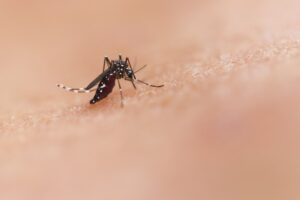
Climate-Driven Mosquito Season Shifts Earlier, Threatening Disease Spread Across Northern Regions
23/09/2026

Climate Change May Turn North America and Europe into Chikungunya Hotspots by 2070
08/07/2026

Dengue transmission risk in California set to expand dramatically under climate change
21/06/2026

Genetic Factors May Explain Why Some Chikungunya Infections Turn Chronic
31/05/2026
Frequently asked questions 12 Q&A — structured for Google featured snippets and AI discovery
Knowledge hub: guidelines, conventions and reports
Organizations working in migration and health
Related health topics
DengueYellow feverNewborn healthWomen's healthVaccines (research)STIs
About this hub. Produced by the GMJ News Editorial Team as a public-good service. Every statistic is linked to its primary source. Documents are preserved in the GMJ Repository with full attribution. Georgian Medical Journal · Contact the editorial team