By using this site, you agree to the Privacy Policy and Terms of Use.
Accept
GMJ NewsGMJ NewsGMJ News
  • Latest News
    • GMJ Briefs
  • Podcast & Media
    • Podcast Episodes
    • GMJ Audio
    • GMJ Videos
  • Research Digest
    • New Studies
    • Georgian Research
    • Data & Numbers
  • Policy & Systems
    • Health Policy
    • Quality & Safety
    • Migration & Health
    • Global Health
  • Practice
    • Clinical Updates
    • Case Discussions
    • Pharmacy & Prescribing
    • Ingredients A-Z
  • Perspectives
    • Editorial
    • Explainers
    • Voices
    • Letters
  • GMJ Articles
    • Vol. 1 Issue 2 (2026)
    • Vol. 1 Issue 1 (2026)
    • Pre-Launch Articles (2025)
  • Read the Journal →
  • About GMJ News
Notification Show More
Font ResizerAa
GMJ NewsGMJ News
Font ResizerAa
  • Latest News
    • GMJ Briefs
  • Podcast & Media
    • Podcast Episodes
    • GMJ Audio
    • GMJ Videos
  • Research Digest
    • New Studies
    • Georgian Research
    • Data & Numbers
  • Policy & Systems
    • Health Policy
    • Quality & Safety
    • Migration & Health
    • Global Health
  • Practice
    • Clinical Updates
    • Case Discussions
    • Pharmacy & Prescribing
    • Ingredients A-Z
  • Perspectives
    • Editorial
    • Explainers
    • Voices
    • Letters
  • GMJ Articles
    • Vol. 1 Issue 2 (2026)
    • Vol. 1 Issue 1 (2026)
    • Pre-Launch Articles (2025)
  • Read the Journal →
  • About GMJ News
Follow US
GMJ News > Practice > Clinical Updates > Leucine Alone Cannot Build Muscle: Why BCAA Supplements Fall Short Without Complete Amino Acids
Clinical UpdatesNew StudiesPracticeResearch Digest

Leucine Alone Cannot Build Muscle: Why BCAA Supplements Fall Short Without Complete Amino Acids

GMJ
Last updated: 12/07/2026 13:29
By
GMJ Practice Desk
Share
9 Min Read
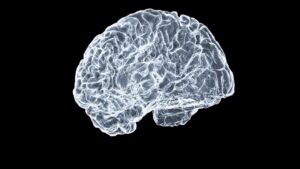
Infographic showing leucine activation of mTORC1 and the requirement for all 9 essential amino acids for muscle protein synthesisIllustrative image · Photo by Tima Miroshnichenko on Pexels (Pexels License)
Leucine activates the muscle-building signal through mTORC1, but research shows this signal alone cannot build muscle without all nine essential amino acids. BCAA-only supplements may paradoxically trigger muscle breakdown as the body scavenges missing amino acids from existing tissue. — Photo by Tima Miroshnichenko on Pexels (Pexels License)
SHARE
6 min read|1,190 words
✓ Medically reviewed by Prof. Giorgi Pkhakadze, MD, MPH, PhD · ORCID 0000-0001-7609-4515

🟠 Moderate Evidence

Contents
    • Key takeaways
      • Study at a Glance
      • The BCAA Paradox: Why Leucine Alone Triggers Muscle Breakdown
  • The Leucine Signal Without the Substrate
  • What Happens When BCAAs Appear Without Complete Essential Amino Acids
  • The Mathematical Ceiling on BCAA-Only Supplementation
    • What this means
  • Frequently asked questions
    • Do branched-chain amino acids (BCAAs) really build muscle?
    • Can leucine-only supplements replace whole protein?
    • What is the maximum benefit from BCAA supplementation?

Leucine does activate muscle protein synthesis through binding to the mTORC1 complex in muscle cells—a mechanism that forms the scientific basis for branched-chain amino acid (BCAA) supplements marketed worldwide. However, research published in the Journal of the International Society of Sports Nutrition demonstrates that leucine provides only the signal to build muscle, not the raw materials required, making leucine-only supplementation counterproductive without the presence of all nine essential amino acids.

Key takeaways

  • Leucine activates the mTORC1 anabolic switch but cannot initiate muscle protein synthesis without all nine essential amino acids present
  • Consuming BCAAs alone in a fasted state may trigger muscle breakdown, not growth, as the body scavenges missing amino acids from existing tissue
  • Mathematical modeling suggests the maximum theoretical benefit from BCAAs without complete EAAs is 30 percent—a ceiling set by amino acid availability from muscle catabolism
  • Clinical studies show phenylalanine depletion during BCAA-only supplementation, indicating compensatory muscle breakdown

Study at a Glance

Source Journal of the International Society of Sports Nutrition
Study type Narrative review of IV-infusion trials and resistance exercise studies
Key findings Two IV-infusion studies of BCAAs alone showed decreased muscle protein turnover; BCAA supplementation without complete EAAs triggers net muscle breakdown
Population Healthy adults; athletes undergoing resistance training
Year 2017
30%
Theoretical maximum increase in muscle protein synthesis stimulation from BCAAs alone in a fasted state—a ceiling imposed by amino acid availability from existing muscle catabolism

The BCAA Paradox: Why Leucine Alone Triggers Muscle Breakdown

Amino acid requirements for muscle protein synthesis. Without all 9 essential amino acids, the body breaks down existing muscle to supply missing components.

9
Essential amino acids required for muscle protein synthesis
3
Branched-chain amino acids (leucine, isoleucine, valine)
6
Missing amino acids body must obtain from muscle breakdown

Source: Wolfe RR, Journal of the International Society of Sports Nutrition, 2017 | Georgian Medical Journal News

Submit Your Paper
GMJ_Submit_Banner

The Leucine Signal Without the Substrate

Leucine’s role in muscle metabolism is biochemically precise: it binds to and activates mTORC1, a signalling complex that initiates the ribosomal machinery responsible for assembling new proteins in muscle cells. According to Robert Wolfe’s 2017 review in the Journal of the International Society of Sports Nutrition, this mechanism has been extensively documented and forms the legitimate foundation for BCAA marketing claims.

🎙️ Related Podcast Episodes
🎧 #37 | GMJ Podcast | NAD⁺ Injections and “NAD Boosters” — Public Health Risks and Regulatory Implications · 20m
🎧 #20 | WHO: Conflict and Instability Make Pregnancy More Dangerous · 18m

Yet here lies the critical disconnect: muscle protein synthesis requires not only the signal to build, but the complete set of structural components. Clinical research on amino acid physiology demonstrates that all nine essential amino acids—including methionine, tryptophan, lysine, threonine, phenylalanine, histidine, and others—must be present simultaneously in the bloodstream to construct new muscle tissue. Leucine supplies the catalyst but not the substrate.

What Happens When BCAAs Appear Without Complete Essential Amino Acids

When a person consumes BCAA supplements or powders in a fasted state (without adequate dietary protein), the body faces a metabolic paradox. Wolfe’s analysis of two controlled IV-infusion studies of pure BCAAs showed that both demonstrated decreased muscle protein turnover, with muscle breakdown exceeding synthesis. The anabolic signal fires, but the body cannot execute the anabolic response.

The consequence is compensatory muscle catabolism. Because methionine, phenylalanine, and the other missing amino acids are not available from the gut or bloodstream, the body’s only source is muscle tissue itself. A 2017 study by Jackman and colleagues examining 5.6 grams of BCAAs after resistance exercise found that while myofibrillar protein synthesis increased by 22 percent over placebo, phenylalanine—an amino acid not present in the BCAA supplement—showed a 6 percent decrease in rate of appearance, indicating the body was extracting this amino acid from existing muscle reserves.

The Mathematical Ceiling on BCAA-Only Supplementation

Wolfe’s theoretical modelling established that the maximum possible increase in muscle protein synthesis stimulation from BCAAs alone in a fasted state is approximately 30 percent. This ceiling is not arbitrary; it represents the gap between baseline muscle protein breakdown and synthesis—and that gap can only be filled by amino acids already present in the body. Once those endogenous reserves are exhausted, the catabolic state persists.

This has profound implications for the supplement industry’s marketing claims. Pharmacy and prescribing databases document the widespread availability of leucine-enriched and BCAA-only products, many sold to consumers with claims of muscle-building efficacy when consumed outside of a complete protein context. The evidence suggests these claims misrepresent the biochemistry.

BCAA supplementation in a fasted state triggers net muscle breakdown, not synthesis, because the body must cannibalise existing tissue to obtain the six missing essential amino acids required for protein assembly. The 30 percent theoretical ceiling represents the maximum benefit—a limit imposed by the amino acids available from muscle catabolism itself.

— Prof. Robert R. Wolfe, Metabolism Laboratory (Journal of the International Society of Sports Nutrition, 2017)

What this means

For patients: BCAA supplements or leucine-enriched powders consumed without complete protein or in fasted states may paradoxically trigger muscle loss rather than gains. Whole food protein sources containing all nine essential amino acids, or complete essential amino acid formulations, are necessary for anabolic effects.
For clinicians: When counselling athletes or patients on muscle-building strategies, distinguish between leucine’s signalling role and the metabolic requirement for complete essential amino acid availability. BCAA-only supplementation should not be recommended as a standalone muscle-building intervention, particularly in fasted or hypocaloric states.
For policymakers: Marketing regulations for amino acid supplements should require disclosure that leucine alone cannot support muscle protein synthesis without concurrent availability of the six remaining essential amino acids. Current labelling practices may mislead consumers about the efficacy of BCAA-only products.

Frequently asked questions

Do branched-chain amino acids (BCAAs) really build muscle?

Leucine, the key component of BCAAs, activates the mTORC1 signalling pathway that initiates muscle protein synthesis. However, according to research published in the Journal of the International Society of Sports Nutrition, this signal alone is insufficient. The body requires all nine essential amino acids to actually construct new muscle proteins. Without them, the body breaks down existing muscle to supply the missing amino acids, resulting in net muscle loss.

Can leucine-only supplements replace whole protein?

No. Leucine provides the anabolic signal but not the substrate. Clinical evidence shows that complete protein sources containing all nine essential amino acids are necessary for muscle protein synthesis. Leucine supplements should only be considered as part of a complete dietary protein strategy, not as a replacement.

What is the maximum benefit from BCAA supplementation?

Theoretical modelling indicates a maximum 30 percent increase in muscle protein synthesis from BCAAs alone in a fasted state, a ceiling set by the amino acids available from muscle breakdown itself. In practical terms, this suggests minimal meaningful benefit without concurrent intake of complete essential amino acids.

The biochemical reality contradicts decades of supplement marketing: leucine is not a muscle-building agent in isolation, but rather a metabolic switch that requires all nine essential amino acids to be flipped toward anabolism. Athletes and fitness enthusiasts seeking genuine muscle hypertrophy should prioritise complete protein intake—whether from whole foods, whey, casein, or formulations containing all essential amino acids—rather than relying on leucine or BCAA supplements as standalone interventions. The science is clear: the signal without the substrate produces the opposite of the desired effect.

Source: Wolfe RR. Branched-chain amino acids and muscle protein synthesis in humans: myth or reality? Journal of the International Society of Sports Nutrition, 2017

Was this article helpful?

Disclaimer. This article is health journalism intended for general information and education. It is not medical advice and is not a substitute for professional diagnosis or treatment. Always consult a qualified healthcare provider about your individual circumstances. Full disclaimer →

Related Coverage

Exercise intensity, not volume alone, drives mitochondrial remodeling—meta-analysis of 425 studies reveals cellular architecture matters more than training timeAug 1, 2026
The copper-iron connection: Why anemia diagnosis may be missing a critical mineralJul 31, 2026
Brain's Energy Demands and Micronutrient Metabolism: What the Evidence ShowsJul 31, 2026
The B-Vitamin Methylation Triad: How B12, Folate, and B6 Work Together in Cardiovascular and Neurological HealthJul 31, 2026
Related reference
  • BCAAs · Ingredient
PG
Written by
Prof. Giorgi Pkhakadze, MD, MPH, PhD
Editor-in-Chief, GMJ News
Full profile →  ·  ORCID 0000-0001-7609-4515
Medical disclaimer. This article is health journalism intended for general information. It is not medical advice and is not a substitute for consultation with a qualified healthcare professional. Always seek your physician's advice regarding any medical condition.
Medically reviewed by Prof. Giorgi Pkhakadze, MD, MPH, PhD. Spotted an error? Contact the editorial team.

Get the GMJ News digest
Evidence-based health journalism in your inbox. No spam; unsubscribe anytime.
TAGGED:amino acidsBCAA supplementsleucinemuscle protein synthesisprotein metabolismsports nutritionsupplement efficacy
Share This Article
Facebook LinkedIn Bluesky Copy Link Print
GMJ
ByGMJ Practice Desk
Follow:
GMJ Practice Desk is part of GMJ News, the newsroom of the Georgian Medical Journal (gmj.ge), published by the Public Health Institute of Georgia. Every article is editorially reviewed before publication.
Leave a Comment Leave a Comment

Leave a Reply Cancel reply

Your email address will not be published. Required fields are marked *

Submit Your Paper →

Georgia's peer-reviewed open-access medical journal. No APC until January 2027.
Submit Manuscript →
Exercise intensity, not volume alone, drives mitochondrial remodeling—meta-analysis of 425 studies reveals cellular architecture matters more than training time

A systematic review of 425 studies shows that high-intensity training produces 2–4…

The 20 amino acids: life’s molecular alphabet explained

The human body uses 20 standard amino acids as the building blocks…

The copper-iron connection: Why anemia diagnosis may be missing a critical mineral

Copper-dependent enzymes control every checkpoint of iron transport in the body. When…

Submit Your Paper to GMJ

No APC until January 2027.
Submit Manuscript →

You Might Also Like

First-time father learning about infant safety in hospital nurseryIllustrative image · Photo by www.kaboompics.com on Pexels (Pexels License)
Clinical UpdatesNew StudiesPracticeResearch Digest

Hospital Videos Improve New Fathers’ Infant Safety Knowledge, Pilot Study Shows

By
GMJ Practice Desk
12/07/2026
Livestock in Mauritania grazing in arid landscape representing CCHFV surveillance study
New StudiesResearch Digest

CCHF Virus Found in 17% of Mauritanian Livestock, New Study Shows

By
GMJ Research Desk
05/06/2026
Microscopic view of prostate cancer cells showing metabolic pathwaysIllustrative image · Photo by Leeloo The First on Pexels (Pexels License)
New StudiesResearch Digest

Ceramide Metabolism May Explain Racial Disparities in Prostate Cancer Drug Response

By
GMJ Research Desk
19/06/2026
Diagram showing three pathways by which modern diets compromise gut barrier integrity: altered bile acid metabolism and SCFA production, food additive effects on mucus layer, and circadian disruption from irregular eating patterns.Illustrative image · Photo by 女子 正真 on Pexels (Pexels License)
Clinical UpdatesNew StudiesPracticeResearch Digest

How Modern Diets Damage the Gut Barrier and Drive Chronic Disease

By
GMJ Practice Desk
29/07/2026
Facebook Twitter Youtube Instagram
Company
  • Privacy Policy
  • Contact US
  • GMJ Journal
  • Submit Manuscript
  • Editorial Team
  • Register at GMJ
  • Terms of Use

Subscribe to GMJ News — Click here

Join Community
© 2026 Georgian Medical Journal (GMJ). Published by the Public Health Institute of Georgia (PHIG). All rights reserved.
Welcome Back!

Sign in to your account

Username or Email Address
Password

Lost your password?

Not a member? Sign Up