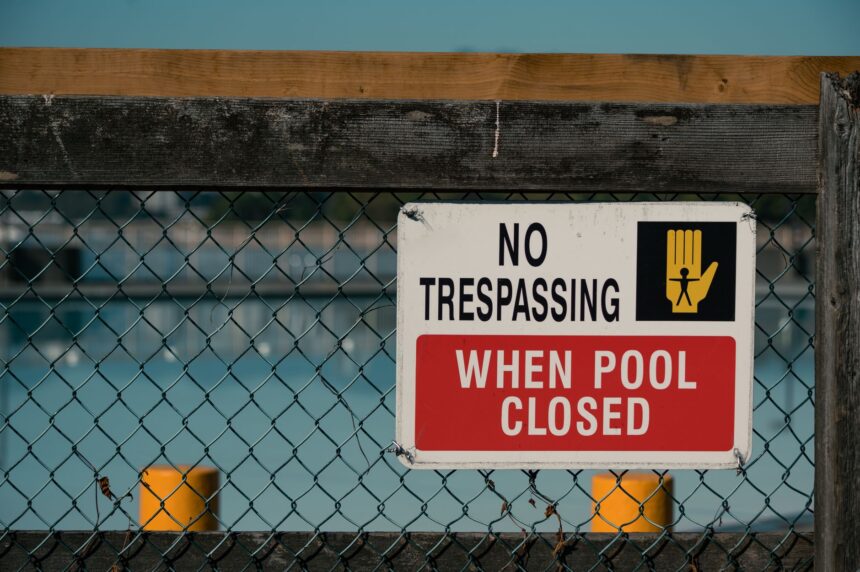
Canadian pool closures carry three significant health consequences that communities must understand. First, the elimination of swimming competency training directly increases drowning risk among children, particularly in low-income families unable to afford private alternatives. Second, loss of accessible physical activity venues deepens existing health inequities, as low-income and rural communities depend on public pools for exercise access. Third, without preventive infrastructure, rates of water-related injuries and chronic diseases associated with sedentary lifestyles will continue rising.
These outcomes are not inevitable. The Canadian Medical Association Journal editorial demonstrates that strategic federal investment in aquatic facility maintenance can restore critical health infrastructure and address health disparities. Municipal leaders, policymakers, and health professionals must recognize pool access as essential public health infrastructure deserving of sustained funding.
Communities cannot wait for crisis to drive action. Preventive investment today saves lives and health equity tomorrow. Read the full article on GMJ Newsroom.
Was this article helpful?