Updated 13/09/2026
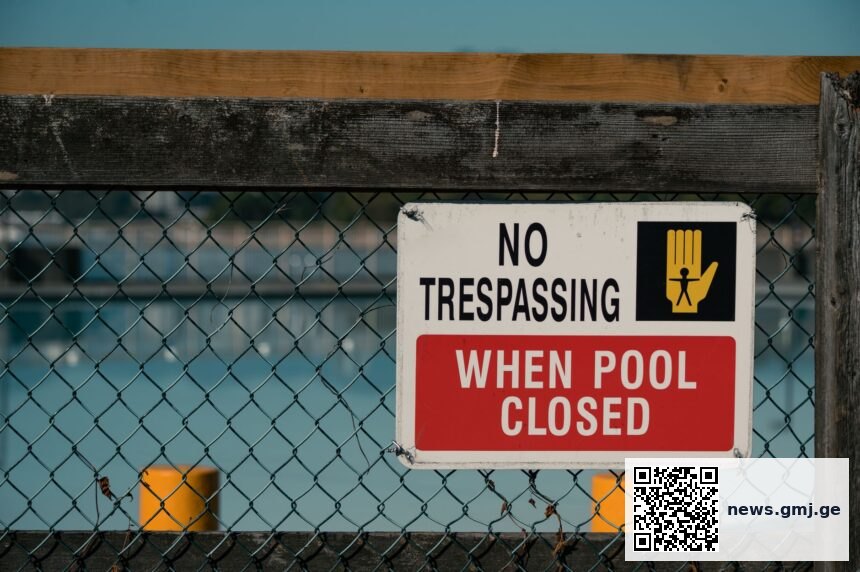
Canada’s escalating pool closures represent more than a seasonal inconvenience—they reflect systemic gaps in public health infrastructure that disproportionately affect children and low-income communities, according to an editorial published in the Canadian Medical Association Journal. The closures strip away a critical venue for aquatic safety training, physical activity, and disease prevention at a time when childhood obesity and water-related injuries remain pressing health concerns across the country.
Key takeaways
- Pool closures eliminate access to essential physical activity infrastructure for children and families, particularly in underserved communities
- Loss of aquatic facilities reduces opportunities for swimming lessons, a proven intervention for preventing water-related deaths
- The closure pattern exposes fragmented public health funding and municipal resource constraints across Canadian jurisdictions
Impact of Pool Closures on Public Health Access
Estimated population segments affected by loss of aquatic facilities
Source: Canadian Medical Association Journal, 2024 | GMJ News

A Crisis of Infrastructure and Equity
The Canadian Medical Association Journal editorial identifies pool closures as symptomatic of a larger crisis in public health infrastructure financing. Municipal budgets increasingly struggle to maintain aquatic facilities, leading to temporary and permanent closures that strip away one of the few free or low-cost venues for physical activity in many communities.
This pattern is not uniform across the country. Global health data consistently show that health inequities correlate with access to preventive health infrastructure. Rural and economically disadvantaged areas are disproportionately affected, as municipal capacity to subsidize public pools shrinks.
Drowning Prevention and Swimming Competency
The loss of aquatic facilities directly undermines drowning prevention efforts. Swimming competency—taught systematically in accessible public pools—is one of the most effective interventions for reducing water-related mortality in children and adolescents. According to public health evidence, swimming lessons reduce the risk of unintentional drowning in children aged 1–14 years.
When pools close, families with lower incomes cannot access private facilities, and structured swimming instruction becomes unavailable. This creates a cascade of unintended consequences: reduced physical fitness, fewer opportunities for water safety training, and higher vulnerability to drowning incidents during unsupervised water exposure.
Chronic Disease Prevention and Physical Activity
Beyond drowning prevention, public pools serve a critical role in combating sedentary behaviour and chronic diseases. The pools provide accessible venues for individuals of all ages and abilities—including elderly residents, people with disabilities, and those with arthritis—to engage in low-impact physical activity. Clinical evidence supports aquatic exercise as an effective intervention for weight management, cardiovascular health, and functional mobility.
The Canadian Medical Association Journal editorial draws attention to the fact that pool closures disproportionately affect low-income families who cannot afford private memberships or travel to distant facilities. This exacerbates existing health disparities and creates a two-tier system: those with resources maintain access to aquatic fitness; those without do not.
Pool closures represent a failure of public health policy infrastructure, with direct measurable consequences for childhood obesity, drowning mortality, and health equity across Canadian communities.
— Canadian Medical Association Journal Editorial
What this means
Frequently asked questions
Why are Canadian pools closing?
Pool closures result from several converging factors: aging infrastructure requiring costly repairs, labour shortages in aquatic facility management, deferred municipal maintenance budgets, and post-pandemic financial constraints. Many municipalities lack dedicated funding streams for public pools, forcing these facilities to compete with other budget priorities.
How does loss of swimming access increase drowning risk?
Swimming lessons and regular water exposure in controlled settings build water competency and safety skills. When public pools close, children from low-income families lose access to structured instruction, increasing vulnerability during unplanned water exposure (lakes, rivers, informal swimming). Research shows swimming competency is one of the strongest predictors of drowning prevention in youth.
What is the public health cost of pool closures?
The costs are measured in preventable injuries, reduced physical activity levels, widened health inequities, and downstream chronic disease burden. The Canadian Medical Association Journal argues that the cost of preventing drowning and obesity through maintained aquatic infrastructure is substantially lower than the cost of treating water-related injuries and managing preventable chronic diseases.
Canada’s pool closures demand urgent policy intervention. Restoring and maintaining public aquatic infrastructure should be recognized as essential public health infrastructure—not discretionary municipal spending. Federal and provincial governments must establish dedicated, predictable funding mechanisms to ensure that every community has access to pools as venues for drowning prevention, physical activity, and health equity. Without action, these closures will continue to extract a measurable toll on child health, injury prevention, and the health status of vulnerable populations across the country.
Source: What pool closures in Canada mean for health, Canadian Medical Association Journal Editorial
🗺️ Find certified Georgian healthcare providers: sheniekimi.ge — Georgia Health Map · 998 clinics · 6,600+ doctors · 2,296 pharmacies
Was this article helpful?
Disclaimer. This article is health journalism intended for general information and education. It is not medical advice and is not a substitute for professional diagnosis or treatment. Always consult a qualified healthcare provider about your individual circumstances. Full disclaimer →
Related Coverage




Editorial standards. This article was produced under the GMJ News editorial process, with oversight by the GMJ Editorial Board. Our editorial process. Spotted an error? Contact the editorial team.