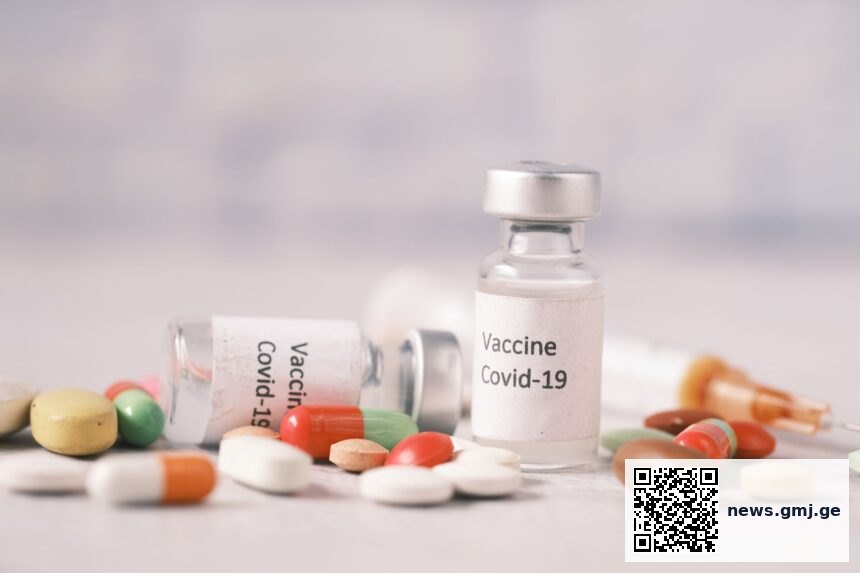
The UK Medicines and Healthcare products Regulatory Agency (MHRA) has published formal guidance permitting pharmaceutical manufacturers to submit certain changes to drug labels and Patient Information Leaflets (PILs) through a self-certification pathway, reducing regulatory review timelines for non-safety-critical amendments. The move reflects a broader shift toward risk-proportionate regulation in which manufacturers assume responsibility for validating routine labelling modifications while maintaining pharmacovigilance oversight.
Key takeaways
- The MHRA now allows self-certified submissions for specified label and PIL changes, bypassing full regulatory review for low-risk amendments
- Self-certification applies to formatting, administrative updates, and clarifications that do not alter safety or efficacy statements
- Manufacturers remain responsible for ensuring accuracy and consistency with approved product information across all submitted materials
This guidance, published by the MHRA, targets categories of changes that historically required formal approval despite carrying minimal clinical or safety implications. Examples include correcting contact information, updating distribution data, harmonizing terminology with regulatory precedent, or reformatting sections for readability.
What qualifies for self-certification
The MHRA guidance document defines eligible changes as those that do not introduce new safety warnings, alter dosage instructions, modify contraindications, change active substance names, or affect the regulatory status of the product. Self-certification is available only when proposed amendments align with existing approved content and do not materially change patient-facing risk communication.
Manufacturers must declare in writing that all changes comply with UK regulations and maintain consistency with the Summary of Product Characteristics (SmPC) and approved PIL templates. This self-attestation model transfers administrative burden from the regulator to the sponsor, who bears legal responsibility for accuracy and appropriateness of submitted materials.

Self-Certification Eligibility Categories
Types of label and PIL changes permitted under MHRA self-certification pathway
Source: UK MHRA Guidance on Self-Certification, 2024 | Georgian Medical Journal News
Regulatory framework and accountability mechanisms
The self-certification model does not eliminate MHRA oversight; rather, it redistributes it toward post-submission verification and pharmacovigilance monitoring. The regulator retains authority to audit manufacturer submissions, request supporting documentation, and initiate enforcement action if false or misleading information is submitted under self-certification. Penalties for non-compliant or deliberately misleading self-certified changes carry the same sanctions as violations of formal regulatory requirements.
Manufacturers implementing this pathway must establish internal quality assurance processes to verify that all proposed changes meet the regulator’s eligibility criteria before submission. Documentation supporting the manufacturer’s assessment—including evidence that changes do not introduce new safety signals, alter approved therapeutic indications, or conflict with current labelling standards—must be retained by the sponsor for audit purposes.
Implications for patients, healthcare professionals, and the pharmaceutical supply chain
The MHRA’s self-certification pathway reduces administrative delays in label updates while preserving regulatory controls over safety-critical information, allowing manufacturers to implement non-clinical amendments more rapidly while maintaining accountability for accuracy and consistency.
— UK Medicines and Healthcare products Regulatory Agency (Guidance Publication, 2024)
What this means
This streamlined approach aligns with international regulatory trends, as the European Medicines Agency (EMA) and other competent authorities have adopted similar risk-tiered pathways to accelerate administrative updates without compromising drug safety oversight. The US Food and Drug Administration (FDA) operates comparable expedited labelling procedures for non-safety changes, demonstrating regulatory consensus on the feasibility and appropriateness of manufacturer self-certification for low-risk amendments.
Quality assurance and future implementation considerations
The success of the self-certification model depends on pharmaceutical manufacturers’ compliance with documented quality standards and honest self-assessment. The MHRA has signalled that it will conduct periodic audits of self-certified submissions to verify accuracy and identify patterns of non-compliance. Early data from comparable European Union pathways suggest that the vast majority of manufacturer-submitted self-certifications are compliant, indicating that this approach does not materially increase risk if supported by robust manufacturer training and internal governance.
Stakeholders including the Association of the British Pharmaceutical Industry (ABPI) have welcomed the guidance as reducing timelines for routine administrative updates while maintaining the regulatory authority’s capacity to intervene when patient safety is at stake. Further engagement with manufacturers and healthcare professional bodies will refine the implementation of this pathway and inform any future modifications to eligible change categories.
Frequently asked questions
Can safety warnings or dosage changes be submitted via self-certification?
No. The MHRA guidance explicitly excludes changes to safety information, contraindications, dosage instructions, or any amendment that could affect clinical decision-making. Such changes require formal regulatory review and approval.
What happens if a manufacturer submits inaccurate information under self-certification?
Manufacturers bear legal responsibility for the accuracy of self-certified submissions. The MHRA can audit submissions, request supporting documentation, and initiate enforcement action—including financial penalties or suspension of future self-certification privileges—if false or misleading information is discovered.
How does the UK self-certification pathway compare to European Union processes?
The MHRA model mirrors the EMA’s equivalent pathways for low-risk labelling changes, enabling consistency across UK and EU supply chains and reducing complexity for multinational manufacturers operating in both jurisdictions.
As pharmaceutical labelling standards evolve and regulatory agencies worldwide adopt risk-proportionate frameworks, the self-certification model represents a pragmatic balance between expediting administrative updates and maintaining public confidence in drug safety oversight. The MHRA has committed to monitoring the pathway’s performance and soliciting feedback from manufacturers and healthcare stakeholders to ensure it serves the dual objectives of efficiency and safety.
Was this article helpful?
Disclaimer. This article is health journalism intended for general information and education. It is not medical advice and is not a substitute for professional diagnosis or treatment. Always consult a qualified healthcare provider about your individual circumstances. Full disclaimer →
Related Coverage


Editorial standards. This article was produced under the GMJ News editorial process, with oversight by the GMJ Editorial Board. Our editorial process. Spotted an error? Contact the editorial team.