


Home › Topics › Cervical Cancer
Cervical Cancer
GMJ News knowledge hub · last reviewed September 2026 · Georgian Medical Journal
SummaryStatisticsGlossaryGMJ newsFAQDocumentsOrganizationsResearch
Cervical cancer is the fourth most common cancer in women globally — 604,000 new cases and 342,000 deaths in 2020 — and is almost entirely caused by human papillomavirus (HPV), which makes it one of the most preventable major cancers (WHO). More than 90% of deaths occur in LMICs where HPV vaccination and screening are unavailable. The WHO 90-70-90 cervical cancer elimination strategy — 90% of girls vaccinated by age 15, 70% of women screened twice by age 45, 90% of cases treated — is the global roadmap to elimination by 2030.
Key messages
4th most common cancer in women
Cervical cancer caused 604,000 new cases and 342,000 deaths in 2020 — and is almost entirely caused by persistent infection with high-risk human papillomavirus (HPV) types 16 and 18 (WHO/IARC).
90% of deaths in LMICs
More than 90% of cervical cancer deaths occur in low- and middle-income countries, where HPV vaccination and screening programmes are absent or minimal. Sub-Saharan Africa has the highest incidence and mortality rates globally.
90-70-90 elimination strategy
The WHO 90-70-90 strategy — 90% of girls vaccinated with HPV vaccine by age 15; 70% of women screened twice by age 45; 90% of cases diagnosed with cancer treated — provides a pathway to cervical cancer elimination as a public health problem.
HPV vaccination is highly effective
The HPV vaccine (Gardasil 9) is up to 97% effective at preventing infection with the HPV types responsible for 90% of cervical cancers. Vaccinating girls before sexual debut maximises protection.
Screening saves lives
HPV DNA testing is the most sensitive cervical cancer screening method — recommended by WHO over cytology (Pap smear) for LMIC settings. Visual Inspection with Acetic Acid (VIA) is a low-resource alternative for immediate screen-and-treat programmes.
Treat cervical pre-cancer
Cervical pre-cancerous lesions (CIN 2/3) are effectively treated with thermal ablation or LEEP/cryotherapy — office-based outpatient procedures. Screen-and-treat programmes (same-day test and treatment) dramatically increase effectiveness in LMICs.
Key statistics
Cervical cancer age-standardised incidence rate (per 100,000 women) by WHO region — GLOBOCAN 2020
Glossary of key terms
Latest GMJ coverage

Mobile HPV screening aboard river ships reaches cervical cancer care to remote Amazon communities
12/08/2026
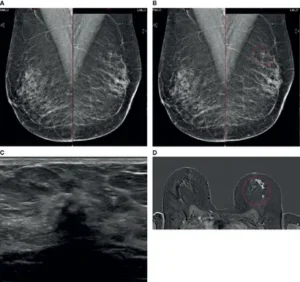
Late-life breast cancer screening reveals diagnosis in 79-year-old woman
11/08/2026

NHS Expands Access to Pembrolizumab for Advanced Cervical Cancer
10/08/2026

Celebrity Disclosure Renews Focus on Prostate Cancer Screening and Early Detection
07/08/2026

Cancer mortality gap widens: wealthy urban areas see steep declines while rural regions lag behind
10/07/2026

UK Screening Committee Sets Evidence Standards for Multicancer Detection Tests
08/07/2026
Frequently asked questions 12 Q&A — structured for Google featured snippets and AI discovery
Knowledge hub: guidelines, conventions and reports
Organizations working in migration and health
Related health topics
Vaccines (HPV)STIs (HPV)CancerWomen's healthHIV/AIDSUHC
About this hub. Produced by the GMJ News Editorial Team as a public-good service. Every statistic is linked to its primary source. Documents are preserved in the GMJ Repository with full attribution. Georgian Medical Journal · Contact the editorial team