Updated 14/09/2026
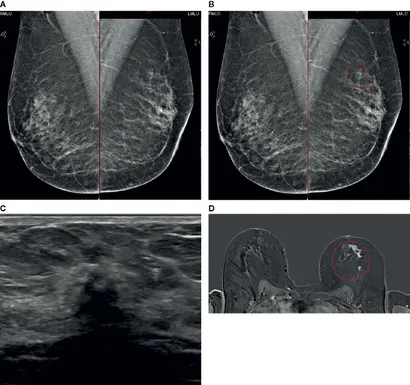
A 79-year-old woman in the United Kingdom discovered she had breast cancer after directly requesting mammography screening, highlighting potential gaps in age-based screening protocols for older adults. According to BBC News reporting, Carol Turansky had to contact her local breast cancer screening unit herself to access imaging, raising questions about proactive outreach to women beyond standard screening age ranges.
Key takeaways
- Breast cancer can present in women aged 79 and older, yet routine screening often stops at earlier ages
- Patient-initiated requests for screening may identify cancers that would otherwise be missed
- Healthcare systems may need to reconsider age cutoffs for mammography eligibility and proactive outreach
Breast Cancer Risk by Age Group in the United Kingdom
Approximate annual incidence per 100,000 women; UK cancer surveillance data
Source: Cancer Research UK / NHS Cancer Registries | Georgian Medical Journal News

Screening gaps in older populations
The UK’s National Health Service (NHS) breast cancer screening programme routinely invites women aged 50 to 74 for three-yearly mammography. Women over 75 can request screening but are not actively called for routine participation. According to BBC reporting on Turansky’s case, this eligibility structure may mean some older women remain unaware they can access screening, or that healthcare providers do not proactively encourage it in this age group.
Breast cancer incidence remains substantial in women aged 75 and older. Data from Cancer Research UK indicate that breast cancer rates continue to rise with advancing age, yet screening uptake in older populations is often lower than in younger cohorts due to perceived life expectancy, competing health priorities, and reduced visibility in screening campaigns.
Patient-initiated screening and cancer detection
Turansky’s proactive request led directly to her diagnosis, demonstrating that motivated older women can successfully access screening when they take the initiative. Her case underscores the importance of ensuring that women in older age groups understand their eligibility and feel empowered to request mammography without requiring a GP referral or explicit health concern. The National Institute for Health and Care Excellence (NICE) guidelines emphasize informed choice in cancer screening, particularly for populations where evidence of benefit is less clear-cut than in younger age groups.
Research published in medical literature has shown that older women who do undergo screening have outcomes similar to younger populations when cancers are detected at earlier stages. However, access barriers—including lack of awareness, organisational screening cessation at a given age, and assumptions by clinicians about appropriateness—can prevent diagnosis. This suggests patient engagement and accessible referral pathways are essential.
Implications for age-based screening policy
Turansky’s experience raises important questions about how healthcare systems should approach breast cancer screening in women over 75. While universal screening in very elderly populations may not be cost-effective or clinically indicated for all, current systems may inadvertently exclude women who are fit, motivated, and at genuine risk. The World Health Organization (WHO) emphasises that screening decisions should be individualised and based on life expectancy, comorbidities, and informed consent rather than chronological age alone.
This case also highlights the value of maintaining screening pathways accessible to older women who request them. Some healthcare systems in Europe have begun offering opportunistic screening to women over 74 or allowing unrestricted access to mammography on demand, recognizing that many older women remain healthy and may benefit from early detection.
A 79-year-old woman in the United Kingdom was diagnosed with breast cancer after self-initiating contact with her local breast screening service, indicating that proactive patient engagement may identify cancers in older populations who fall outside routine age-targeted screening programmes.
— BBC News reporting; case documented in NHS screening practice
What this means
Frequently asked questions
Can women over 75 request breast cancer screening in the UK?
Yes. Although the NHS invites women aged 50–74 routinely, women over 75 can request screening by contacting their breast screening unit directly or via their GP. The system does not prohibit older women from accessing mammography; however, proactive outreach is limited, which may reduce awareness.
Is breast cancer screening recommended for all women over 75?
Guidelines from NICE and the WHO suggest that screening decisions in older women should be individualised rather than age-based alone. Screening may be appropriate for women in good health with a reasonable life expectancy, but should not be routine for all. Discussion of benefits, risks, and false positives is important.
Why do screening programmes often have age cutoffs?
Age cutoffs exist because cost-effectiveness analyses typically show the strongest benefit in women aged 50–70. Screening in older populations must weigh benefits against harms (false positives, overdiagnosis, treatment burden). However, this does not mean screening is inappropriate for all older women—individualised assessment is key.
Turansky’s case serves as a reminder that chronological age should not be a barrier to cancer screening for women who are informed and motivated. As populations age globally, healthcare systems will need to reconsider how they balance population-level screening guidance with the principles of informed choice and accessibility. Clearer communication about screening eligibility and simplified pathways for older women to access imaging may help identify cancers earlier in this growing demographic. Further research into outcomes and quality indicators for screening in women over 75 could inform future policy development.
Source: Woman found cancer after requesting mammogram at 79 — BBC News
🗺️ Find certified Georgian healthcare providers: sheniekimi.ge — Georgia Health Map · 998 clinics · 6,600+ doctors · 2,296 pharmacies
Was this article helpful?
Disclaimer. This article is health journalism intended for general information and education. It is not medical advice and is not a substitute for professional diagnosis or treatment. Always consult a qualified healthcare provider about your individual circumstances. Full disclaimer →
Related Coverage



Editorial standards. This article was produced under the GMJ News editorial process, with oversight by the GMJ Editorial Board. Our editorial process. Spotted an error? Contact the editorial team.