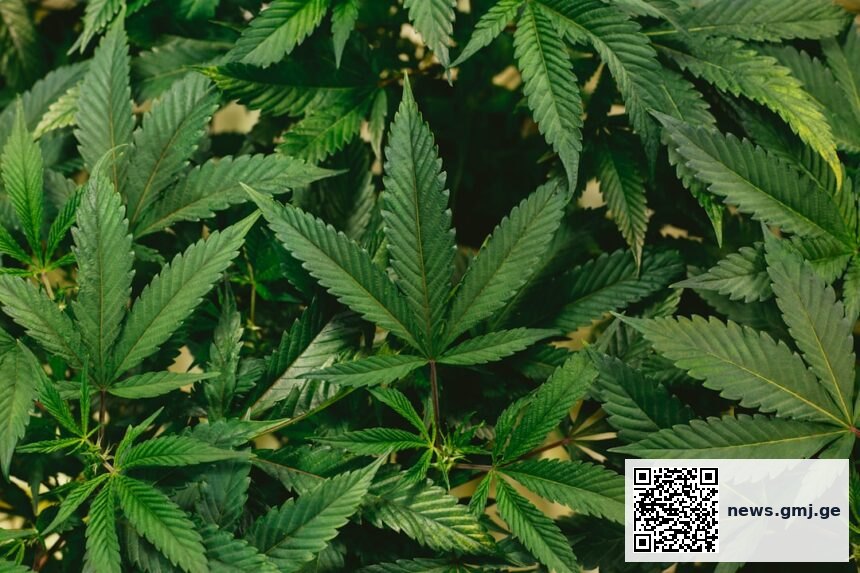
Physicians treating older adults for chronic pain and other conditions increasingly encounter patients already using cannabis or seeking guidance on its medical applications. A practising physician with 25 years of experience treating medical cannabis patients reports that this population can benefit from evidence-based prescribing protocols, with careful monitoring and dose titration minimising adverse events. This perspective challenges the knowledge gap that often exists between patient interest and clinician readiness to discuss cannabis therapeutically.
Key takeaways
- Medical cannabis use among older adults is expanding, yet many physicians lack training in safe prescribing practices
- Physicians with substantial clinical experience report low rates of serious adverse effects when cannabis is prescribed with appropriate monitoring and individualised dosing
- Healthcare systems need structured education and evidence-based protocols to help clinicians support patients considering medical cannabis
🟡 Preliminary Evidence
The Growing Gap Between Patient Use and Clinical Guidance
Cannabis use among older adults has increased substantially in jurisdictions where medical and recreational use are legal, yet most physicians receive limited training in cannabis pharmacology, interactions, and dosing strategies. A physician writing in STAT News notes that over 25 years of clinical practice treating medical cannabis patients has revealed a consistent pattern: older adults often self-manage cannabis use without professional oversight, increasing the risk of suboptimal dosing, drug interactions, and adverse effects that could be prevented through informed prescribing. This knowledge gap reflects broader gaps in medical education regarding cannabis as a therapeutic agent.
The evidence base for cannabis in specific conditions — particularly chronic pain, chemotherapy-induced nausea, and certain seizure disorders — continues to expand, yet standardised clinical protocols remain scarce in many healthcare settings. Clinical updates on emerging therapies increasingly include cannabis, yet implementation lags behind patient interest and legal availability.

Medical Cannabis Clinical Engagement: Physician Readiness vs Patient Interest
Estimated proportion of older adults using medical cannabis vs physicians trained in safe prescribing, based on clinical observation across 25-year treatment cohort
Source: Physician clinical experience summary, STAT News, 2026 | Georgian Medical Journal News
Clinical Experience: Safety Profile with Informed Prescribing
The treating physician reports that over thousands of medical cannabis patients managed in clinical practice, serious adverse effects have been extremely rare when cannabis is prescribed with dose titration, drug interaction screening, and regular monitoring. This contrasts with widespread clinical caution that, while prudent in the absence of structured protocols, may inadvertently push patients toward unmonitored self-dosing. The distinction between unguided self-medication and physician-supported titration is clinically significant: supervised dosing allows identification of optimal therapeutic windows, detection of drug interactions, and early recognition of adverse effects.
Key safety measures include screening for contraindications (cardiac arrhythmias, active psychosis, heavy machinery operation), documenting baseline cognitive and functional status in older adults, and establishing a clear communication channel for dose-related concerns. Quality and safety in cannabis prescribing mirrors best practice in any novel therapeutic agent: structured assessment, individualised dosing, and systematic follow-up.
Over 25 years of clinical practice treating thousands of medical cannabis patients has resulted in extremely few serious ill effects, with safety dependent on informed prescribing, dose titration, and regular monitoring rather than categorical avoidance.
— Practising Physician, Clinical Experience Summary (STAT News, 2026)
Addressing Knowledge Gaps in Medical Education
The case for physician involvement in cannabis prescribing rests on a straightforward premise: clinicians trained in pharmacology, drug interactions, and patient monitoring are better positioned to support safe use than the alternative — patients navigating cannabis choice and dosing alone. Medical schools and residency training programmes have begun incorporating cannabis pharmacology into curricula, yet standardised competencies remain underdeveloped. Health policy initiatives in jurisdictions with legal medical cannabis increasingly emphasise continuing education for practising physicians.
Implementation barriers include uncertainty about cannabis’s regulatory status in some regions, limited reimbursement pathways, and lingering stigma around cannabis despite growing medical acceptance. Healthcare institutions can address these gaps by developing evidence-based prescribing protocols, creating pathways for physician education, and establishing clear documentation standards for cannabis use in medical records.
What this means
Frequently asked questions
Is medical cannabis safe for older adults?
Medical cannabis can be safely used in older adults when prescribed with appropriate dose titration, baseline assessment, and monitoring for drug interactions. The risk profile depends critically on informed prescribing and regular clinical oversight rather on age alone. Older adults may require lower starting doses due to altered metabolism and increased sensitivity to central nervous system effects.
What conditions in older adults are supported by evidence for medical cannabis?
The strongest evidence exists for chronic pain, chemotherapy-induced nausea and vomiting, and certain seizure disorders. Evidence for other conditions (anxiety, insomnia, neurodegenerative diseases) is emerging but remains preliminary. Physicians should base prescribing decisions on condition-specific evidence rather than broad indications.
How should physicians screen older patients before prescribing cannabis?
Standard screening includes assessment of cardiac status, active psychiatric conditions, cognitive baseline, medication interactions (particularly with sedatives, anticoagulants, and CYP3A4 inhibitors), and functional capacity for safe handling. Documentation of baseline symptoms and functional status allows objective monitoring of therapeutic response and adverse effects during treatment.
As medical cannabis becomes increasingly integrated into legal healthcare systems worldwide, the case for physician engagement in safe prescribing grows stronger. Healthcare institutions that develop structured protocols, educate clinicians, and establish clear pathways for cannabis prescribing will better serve patients seeking this therapeutic option while maintaining safety standards expected of any pharmaceutical intervention. The evidence suggests that informed clinical involvement reduces harm and optimises outcomes—a principle fundamental to evidence-based medicine.
Source: Opinion: Your grandparents are using cannabis. Doctors can help them do it safely, STAT News
Was this article helpful?
Disclaimer. This article is health journalism intended for general information and education. It is not medical advice and is not a substitute for professional diagnosis or treatment. Always consult a qualified healthcare provider about your individual circumstances. Full disclaimer →
Related Coverage


Editorial standards. This article was produced under the GMJ News editorial process, with oversight by the GMJ Editorial Board. Our editorial process. Spotted an error? Contact the editorial team.