Updated 13/09/2026
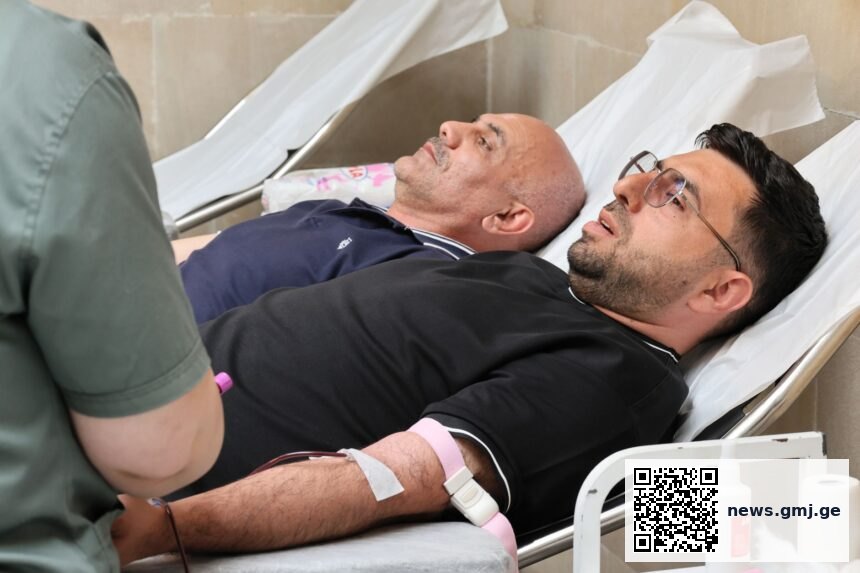
The Pan American Health Organization has issued an urgent call to strengthen voluntary blood donation systems across the Americas, highlighting a critical shortage that threatens healthcare capacity throughout the region.
Key takeaways
- PAHO identifies significant gaps in blood donation infrastructure across Americas
- Current donation rates fall short of WHO recommended targets for safe blood supply
- Strengthened voluntary donation systems needed to meet healthcare demands
Blood donation adequacy across regions
Donations per 1,000 population, latest available data
Source: World Health Organization, 2025 | Georgian Medical Journal News

Regional disparities threaten healthcare access
The Pan American Health Organization highlighted significant disparities in blood donation rates across the Americas, with lower-income countries facing the most severe shortages. According to the organization’s assessment, many countries in the region struggle to maintain adequate blood supplies for essential medical procedures.
Blood supply shortages particularly impact emergency care, surgical procedures, and treatment of patients with blood disorders. Global health experts emphasize that reliable blood donation systems are fundamental to functioning healthcare infrastructure.
WHO targets remain elusive for many nations
The World Health Organization recommends at least 10-20 donations per 1,000 people annually to meet basic transfusion needs, with 25 donations per 1,000 considered optimal. PAHO’s analysis reveals substantial gaps between current donation rates and these targets across much of the Americas.
Voluntary, non-remunerated donation represents the safest approach to blood collection, reducing risks of transmissible infections while ensuring sustainable supply chains. Countries with well-established voluntary donation programs demonstrate significantly higher safety profiles and supply adequacy.
Strengthening voluntary blood donation systems requires coordinated efforts across health ministries, civil society organizations, and communities to build sustainable donation cultures
— Pan American Health Organization (PAHO, 2026)
Infrastructure gaps hinder donation programs
PAHO identified multiple barriers limiting effective blood donation programs, including inadequate collection facilities, limited storage capacity, and insufficient donor recruitment strategies. Many countries lack comprehensive quality and safety frameworks for blood product management.
The organization emphasizes that sustainable blood donation systems require investment in both infrastructure and community engagement. Educational campaigns, convenient donation sites, and recognition programs help build cultures of regular voluntary donation.
What this means
Frequently asked questions
How often can people safely donate blood?
Healthy adults can typically donate whole blood every 8-12 weeks, with specific intervals varying by blood component type. Regular donation schedules help maintain consistent blood supplies while ensuring donor safety.
Why is voluntary donation preferred over paid donation?
Voluntary donors have lower rates of transmissible infections compared to paid donors, making the blood supply safer. WHO recommends 100% voluntary, non-remunerated donation as the global standard.
Which countries in the Americas have adequate blood supplies?
While PAHO has not released specific country-level data in this announcement, historically Canada and the United States maintain higher donation rates, while several Latin American countries face ongoing shortages.
PAHO’s call for strengthened voluntary blood donation systems underscores the urgent need for coordinated regional action to address critical supply gaps. Success will require sustained investment in infrastructure, community engagement, and policy frameworks that support regular voluntary donation across all countries in the Americas.
Source: PAHO calls for strengthening voluntary blood donation in the Americas
🗺️ Find certified Georgian healthcare providers: sheniekimi.ge — Georgia Health Map · 998 clinics · 6,600+ doctors · 2,296 pharmacies
Was this article helpful?
Disclaimer. This article is health journalism intended for general information and education. It is not medical advice and is not a substitute for professional diagnosis or treatment. Always consult a qualified healthcare provider about your individual circumstances. Full disclaimer →
Related Coverage



Editorial standards. This article was produced under the GMJ News editorial process, with oversight by the GMJ Editorial Board. Our editorial process. Spotted an error? Contact the editorial team.