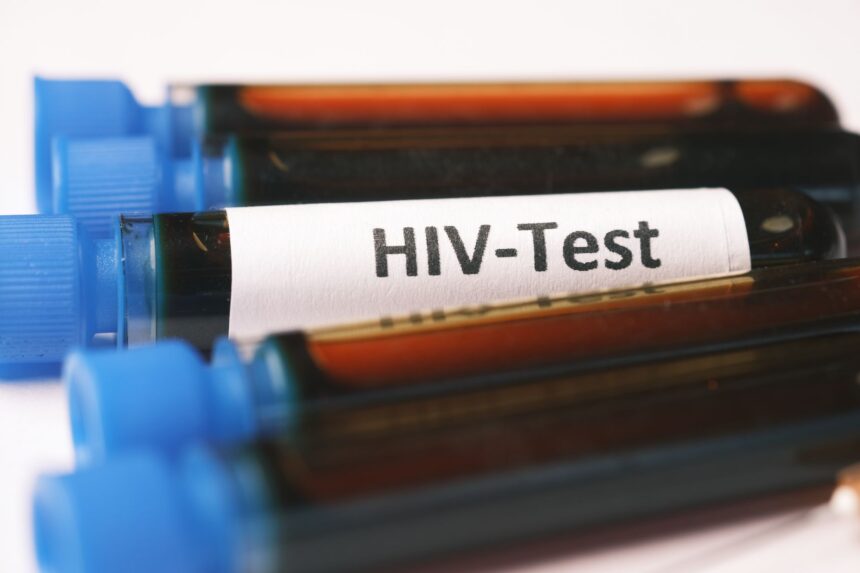
The NHS emergency department HIV screening programme offers three critical lessons for clinicians and health systems. First, integrating HIV testing into routine A&E blood work identified 1,953 undiagnosed cases across 88 regions—demonstrating that opportunistic screening reaches patients who might otherwise remain unaware of their status. Second, early diagnosis directly enables rapid antiretroviral therapy initiation, with documented progression to viral suppression and U=U (undetectable equals untransmittable) status, eliminating onward transmission risk.
Third, the opt-out screening model proves logistically feasible: by embedding HIV testing into standard emergency laboratory protocols without additional needlesticks, the programme minimises patient inconvenience and laboratory burden while maximising case detection.
For practitioners, these findings reinforce the clinical value of systematic, low-friction screening approaches in acute settings serving diverse populations. Early diagnosis remains transformative for individual outcomes and population-level prevention goals.
Read the full article on GMJ Newsroom.

Was this article helpful?