By using this site, you agree to the Privacy Policy and Terms of Use.
Accept
GMJ NewsGMJ NewsGMJ News
  • Latest News
    • GMJ Briefs
  • Podcast & Media
    • Podcast Episodes
    • GMJ Audio
    • GMJ Videos
  • Research Digest
    • New Studies
    • Georgian Research
    • Data & Numbers
  • Policy & Systems
    • Health Policy
    • Quality & Safety
    • Migration & Health
    • Global Health
  • Practice
    • Clinical Updates
    • Case Discussions
    • Pharmacy & Prescribing
    • Ingredients A-Z
  • Perspectives
    • Editorial
    • Explainers
    • Voices
    • Letters
  • GMJ Articles
    • Vol. 1 Issue 2 (2026)
    • Vol. 1 Issue 1 (2026)
    • Pre-Launch Articles (2025)
  • Read the Journal →
  • About GMJ News
Notification Show More
Font ResizerAa
GMJ NewsGMJ News
Font ResizerAa
  • Latest News
    • GMJ Briefs
  • Podcast & Media
    • Podcast Episodes
    • GMJ Audio
    • GMJ Videos
  • Research Digest
    • New Studies
    • Georgian Research
    • Data & Numbers
  • Policy & Systems
    • Health Policy
    • Quality & Safety
    • Migration & Health
    • Global Health
  • Practice
    • Clinical Updates
    • Case Discussions
    • Pharmacy & Prescribing
    • Ingredients A-Z
  • Perspectives
    • Editorial
    • Explainers
    • Voices
    • Letters
  • GMJ Articles
    • Vol. 1 Issue 2 (2026)
    • Vol. 1 Issue 1 (2026)
    • Pre-Launch Articles (2025)
  • Read the Journal →
  • About GMJ News
Follow US
GMJ News > GMJ Briefs > What Patients and Clinicians Should Know About Advanced Brain Tumor Imaging

What Patients and Clinicians Should Know About Advanced Brain Tumor Imaging

GMJ
Last updated: 07/07/2026 14:51
By
Prof. Giorgi Pkhakadze
Share
1 Min Read
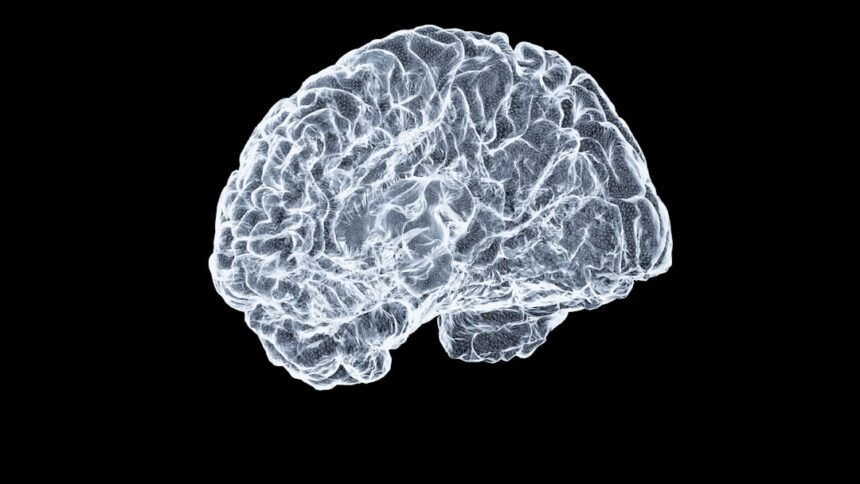
Medical imaging comparison showing enhanced MRI detecting small brain tumor missed by standard scan
Stanford researchers developed enhanced contrast MRI that detects hidden brain tumors missed by standard imaging in 23% of patients. The breakthrough technology could improve early detection rates for aggressive brain cancers. — Photo: Shawn Day / Pexels
SHARE
1 min read|160 words

A significant clinical gap exists in current brain tumor detection: approximately one in four patients with detectable tumors receive normal results on standard MRI. Stanford researchers have now demonstrated that enhanced contrast MRI can bridge this diagnostic gap, identifying tumors as small as 2 millimeters compared to the conventional 5-millimeter threshold.

For patients with suspected brain tumors or concerning neurological symptoms, these findings suggest that negative standard MRI results may not conclusively exclude a tumor diagnosis. Enhanced contrast MRI may warrant consideration, particularly when clinical suspicion remains high. The 23% detection rate in patients with normal conventional scans underscores the importance of diagnostic imaging evolution.

Early tumor detection has direct bearing on treatment outcomes and survival. The potential to improve glioblastoma survival rates from 6.8% to 23.4% through earlier intervention represents substantial clinical value. As multicenter trials begin in 2027, enhanced contrast MRI may become standard protocol in neuro-oncology departments, fundamentally improving diagnostic accuracy and patient care trajectories.

Read the full article on GMJ Newsroom.

Submit Your Paper
GMJ_Submit_Banner

Was this article helpful?

GMJ Brief · Takeaway

📰 Read the full article: New Imaging Technique Reveals Hidden Brain Tumors Missed by Standard MRI →

Share This Article
Facebook LinkedIn Bluesky Copy Link Print
GMJ
ByProf. Giorgi Pkhakadze
Follow:
Prof. Giorgi Pkhakadze, MD, MPH, PhD, is Editor-in-Chief of the Georgian Medical Journal and Chair of the Public Health Institute of Georgia (PHIG). He is Professor and Head of the Department of Social and Behavioural Sciences at David Tvildiani Medical University, and Secretary/Treasurer of the UEMS Section of Public Health. ORCID: 0000-0001-7609-4515.

Submit Your Paper →

Georgia's peer-reviewed open-access medical journal. No APC until January 2027.
Submit Manuscript →
Gene Therapy Shows Promise for Inherited Cholesterol Disorder in First-in-Human Trial

First-in-human gene therapy trial shows preliminary safety and efficacy for treating homozygous…

Teen Drug Use and Binge Drinking Linked to Severe Mental Health Crisis

UCLA research reveals dangerous links between teen substance use and mental health…

PFAS ‘Forever Chemicals’ Persist in Ski Wax Rooms Despite Regulatory Bans

New research reveals PFAS 'forever chemicals' persist in ski wax facilities years…

Submit Your Paper to GMJ

No APC until January 2027.
Submit Manuscript →

You Might Also Like

Healthcare professionals and diverse patients illustrating language barrier challenges in medical settings

One in Four Medical Errors Traced to Language Barriers, Study Finds

By
Prof. Giorgi Pkhakadze
03/07/2026
Infographic showing five heart-healthy flavanol-rich foods with cardiovascular benefits data

Study Quantifies Cardiovascular Benefits: 23% Risk Reduction from Flavanol-Rich Foods

By
Prof. Giorgi Pkhakadze
01/07/2026
Illustration of ribosome collisions in brain cells causing protein misfolding and aging

What Brain Researchers Just Learned About Aging: Three Critical Insights for Disease Prevention

By
Prof. Giorgi Pkhakadze
01/07/2026
Healthcare cost savings chart showing medically tailored meal program benefits

Evidence Mounts: Medically Tailored Meals Save $2,400 Per Patient Annually

By
Prof. Giorgi Pkhakadze
16/06/2026
Facebook Twitter Youtube Instagram
Company
  • Privacy Policy
  • Contact US
  • GMJ Journal
  • Submit Manuscript
  • Editorial Team
  • Register at GMJ
  • Terms of Use

Subscribe to GMJ News — Click here

Join Community
© 2026 Georgian Medical Journal (GMJ). Published by the Public Health Institute of Georgia (PHIG). All rights reserved.
Welcome Back!

Sign in to your account

Username or Email Address
Password

Lost your password?

Not a member? Sign Up