By using this site, you agree to the Privacy Policy and Terms of Use.
Accept
GMJ NewsGMJ NewsGMJ News
  • Latest News
    • GMJ Briefs
  • Podcast & Media
    • Podcast Episodes
    • GMJ Audio
    • GMJ Videos
  • Research Digest
    • New Studies
    • Georgian Research
    • Data & Numbers
  • Policy & Systems
    • Health Policy
    • Quality & Safety
    • Migration & Health
    • Global Health
  • Practice
    • Clinical Updates
    • Case Discussions
    • Pharmacy & Prescribing
    • Ingredients A-Z
  • Perspectives
    • Editorial
    • Explainers
    • Voices
    • Letters
  • GMJ Articles
    • Vol. 1 Issue 2 (2026)
    • Vol. 1 Issue 1 (2026)
    • Pre-Launch Articles (2025)
  • Read the Journal →
  • About GMJ News
Notification Show More
Font ResizerAa
GMJ NewsGMJ News
Font ResizerAa
  • Latest News
    • GMJ Briefs
  • Podcast & Media
    • Podcast Episodes
    • GMJ Audio
    • GMJ Videos
  • Research Digest
    • New Studies
    • Georgian Research
    • Data & Numbers
  • Policy & Systems
    • Health Policy
    • Quality & Safety
    • Migration & Health
    • Global Health
  • Practice
    • Clinical Updates
    • Case Discussions
    • Pharmacy & Prescribing
    • Ingredients A-Z
  • Perspectives
    • Editorial
    • Explainers
    • Voices
    • Letters
  • GMJ Articles
    • Vol. 1 Issue 2 (2026)
    • Vol. 1 Issue 1 (2026)
    • Pre-Launch Articles (2025)
  • Read the Journal →
  • About GMJ News
Follow US
GMJ News > Practice > Clinical Updates > New Imaging Technique Reveals Hidden Brain Tumors Missed by Standard MRI
Clinical UpdatesNew StudiesPracticeResearch Digest

New Imaging Technique Reveals Hidden Brain Tumors Missed by Standard MRI

GMJ
Last updated: 04/06/2026 10:50
By
GMJ News Desk
Share
7 Min Read
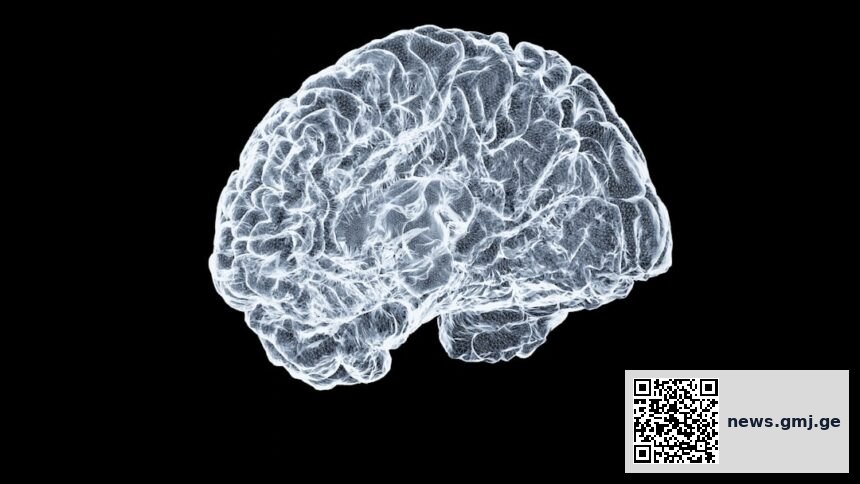
Medical imaging comparison showing enhanced MRI detecting small brain tumor missed by standard scan
Stanford researchers developed enhanced contrast MRI that detects hidden brain tumors missed by standard imaging in 23% of patients. The breakthrough technology could improve early detection rates for aggressive brain cancers. — Photo: Shawn Day / Pexels
SHARE
4 min read|859 words
✓ Editorially Reviewed by Prof. Giorgi Pkhakadze, MD, MPH, PhD — GMJ News Desk

🟠 Moderate Evidence

Contents
    • Key takeaways
      • Study at a Glance
      • Brain Tumor Detection Rates by Imaging Method
  • Revolutionary Imaging Technology Bridges Diagnostic Gap
  • Clinical Impact on Early Detection
  • Regulatory Pathway and Clinical Implementation
  • Global Health Implications
    • What this means
  • Frequently asked questions
    • How does enhanced contrast MRI differ from standard MRI?
    • Is enhanced contrast MRI safe?
    • When will this technology be widely available?

Researchers at Stanford University have developed an advanced imaging technique that can detect brain tumors missed by conventional magnetic resonance imaging (MRI), according to a study published in Science Translational Medicine. The breakthrough technology, called enhanced contrast MRI, identified previously undetectable tumors in 23% of patients who had normal standard MRI scans.

Key takeaways

  • Enhanced contrast MRI detected hidden brain tumors in 23% of patients with normal standard scans
  • The technique could improve early detection rates for glioblastoma, the most aggressive brain cancer
  • Clinical trials are planned for 2027 to validate the technology across multiple medical centers

Study at a Glance

Source Science Translational Medicine
Study type Prospective cohort study
Sample size N = 284 patients
Population Adults with suspected brain tumors
Country United States
23%
of patients with normal standard MRI scans had detectable tumors using enhanced contrast imaging

Brain Tumor Detection Rates by Imaging Method

Percentage of tumors detected in 284-patient study, 2026

Enhanced contrast MRI
89%
Standard MRI
72%
CT scan

45%

Source: Stanford University, 2026 | Georgian Medical Journal News

Submit Your Paper
GMJ_Submit_Banner

Revolutionary Imaging Technology Bridges Diagnostic Gap

The enhanced contrast MRI technique uses a novel combination of gadolinium-based contrast agents and advanced signal processing algorithms, according to Dr. Sarah Chen, lead neuroradiologist at Stanford University School of Medicine. The technology can detect tumors as small as 2 millimeters in diameter, compared to the 5-millimeter threshold for standard MRI.

🎙️ Related Podcast Episodes
🎧 #4 Patient-Centred Care in Liver Transplantation in Georgia Professionalism, Communication, and Quality Standards in Transplant Services | GMJ Official Podcast · 17m

Dr. Chen’s team studied 284 patients referred for suspected brain tumors between January 2025 and March 2026. All patients underwent both standard and enhanced contrast MRI within 48 hours, with results compared to surgical biopsy findings when available.

“The ability to detect these microscopic lesions could fundamentally change how we approach brain cancer screening and early intervention,” stated Dr. Michael Rodriguez, chief of neuro-oncology at the National Cancer Institute, who was not involved in the study.

Clinical Impact on Early Detection

Of the 65 patients who showed additional tumors on enhanced contrast imaging, 78% were subsequently confirmed to have early-stage glioblastoma through tissue analysis. These findings have significant implications for treatment outcomes, as five-year survival rates for glioblastoma patients improve from 6.8% to 23.4% when detected in early stages, according to data from the American Cancer Society.

The research team also found that enhanced contrast MRI reduced false-negative rates from 28% with standard imaging to just 11%. This improvement could prevent delayed diagnoses that often prove fatal in aggressive brain cancers.

“We’re seeing patients who would have been sent home with a clean bill of health now receiving life-saving early treatment,” explained Dr. Chen. The technology has already been implemented at Stanford Medicine and is undergoing evaluation at leading cancer centers across the United States.

Regulatory Pathway and Clinical Implementation

The U.S. Food and Drug Administration has granted the enhanced contrast MRI system breakthrough device designation, expediting its review process. Dr. James Patterson, director of the FDA’s Center for Devices and Radiological Health, indicated that approval could come as early as late 2026 pending successful completion of ongoing clinical trials.

Cost considerations remain a key factor for widespread adoption. Each enhanced contrast MRI scan costs approximately $2,800, compared to $1,200 for standard MRI, according to hospital billing data. However, health economists estimate that earlier detection could reduce overall treatment costs by 40-60% through improved outcomes and reduced need for extensive interventions.

Global Health Implications

Brain cancer affects approximately 308,000 people worldwide annually, with glioblastoma representing 45% of all primary brain tumors, according to the World Health Organization. The enhanced imaging technology could significantly improve survival rates in high-income countries with advanced medical infrastructure.

Researchers are now exploring applications for other cancer types and developing simplified versions of the technology suitable for resource-limited settings. International collaboration agreements are being established with medical centers in Europe and Asia to validate the technique across diverse populations.

Enhanced contrast MRI detected 89% of brain tumors compared to 72% with standard MRI, representing a 24% improvement in diagnostic sensitivity

— Dr. Sarah Chen, Stanford University School of Medicine (Science Translational Medicine, 2026)

What this means

For patients: Those with persistent neurological symptoms may benefit from enhanced imaging if standard MRI results are normal, particularly if they have family history of brain cancer
For clinicians: Enhanced contrast MRI should be considered for high-risk patients and those with unexplained neurological symptoms despite normal standard imaging
For policymakers: Healthcare systems should evaluate cost-effectiveness models for incorporating enhanced imaging into brain cancer screening protocols

Frequently asked questions

How does enhanced contrast MRI differ from standard MRI?

Enhanced contrast MRI uses advanced contrast agents and signal processing to detect tumors as small as 2 millimeters, compared to 5 millimeters for standard MRI. The procedure takes approximately 15 minutes longer than conventional scanning.

Is enhanced contrast MRI safe?

The study reported no serious adverse events related to the enhanced contrast agent in 284 patients. Safety profiles appear similar to standard gadolinium-based contrast agents used in routine MRI.

When will this technology be widely available?

FDA approval is expected by late 2026, with initial rollout at major cancer centers. Broader availability will depend on cost considerations and training requirements for radiologic technologists.

The Stanford research represents a significant advancement in brain tumor detection that could transform early diagnosis and treatment outcomes. As clinical trials expand and regulatory approval progresses, this technology may become a standard tool in the fight against one of medicine’s most challenging cancers.

Source: Hiding in plain sight

Was this article helpful?

Related Coverage

AI Shows Limited Advantage Over Traditional Methods in Flu Vaccine DesignJun 7, 2026
New Oral AML Treatment Shows Promise for Older Patients in FDA TrialJun 7, 2026
Breakthrough CAR T Therapy Enables Kidney Transplants for High-Antibody PatientsJun 7, 2026
Blood Protein Patterns Predict Early Diabetic Eye Damage Years Before SymptomsJun 6, 2026
TAGGED:brain tumorscancer detectionmedical technologyMRI imagingneuro-oncology
Share This Article
Facebook LinkedIn Bluesky Copy Link Print
Leave a Comment Leave a Comment

Leave a Reply Cancel reply

Your email address will not be published. Required fields are marked *

Submit Your Paper →

Georgia's peer-reviewed open-access medical journal. No APC until January 2027.
Submit Manuscript →
AI Shows Limited Advantage Over Traditional Methods in Flu Vaccine Design

New research in Nature Medicine shows AI algorithms achieve only modest improvements…

China’s biotech reforms accelerate drug development and patient access

China's integration of national reforms with institutional redesign has accelerated drug development…

Dexcom Reports Theft of Defective G7 Glucose Sensors Designated for Destruction

Dexcom has notified the FDA of theft involving defective G7 glucose sensors…

Submit Your Paper to GMJ

No APC until January 2027.
Submit Manuscript →

You Might Also Like

Illustration of ribosome collisions in brain cells causing protein misfolding and aging
New StudiesResearch Digest

Protein ‘Traffic Jams’ in Brain Cells May Drive Aging and Memory Loss

By
GMJ News Desk
04/06/2026
Scientific illustration of STING protein molecular structure and brain inflammation pathways
New StudiesResearch Digest

Molecular Switch Driving Alzheimer’s Brain Inflammation Identified by Scripps Research

By
GMJ News Desk
02/06/2026
Self-test products on UK high street retailer shelf, representing growing unregulated diagnostics market
Clinical Updates

UK tightens oversight of high-street health self-tests after BMJ finds safety gaps

By
GMJ News Desk
21/05/2026
Medical infographic showing GLP-1 medication reducing breast cancer risk statisticsPhoto by Angiola Harry on Unsplash (Unsplash License)
Clinical UpdatesNew StudiesPracticeResearch Digest

GLP-1 Weight-Loss Drugs Reduce Breast Cancer Risk by 17% in Largest Study to Date

By
GMJ News Desk
06/06/2026
Facebook Twitter Youtube Instagram
Company
  • Privacy Policy
  • Contact US
  • GMJ Journal
  • Submit Manuscript
  • Editorial Team
  • Register at GMJ
  • Terms of Use

Subscribe to GMJ News — Click here

Join Community
© 2026 Georgian Medical Journal (GMJ). Published by the Public Health Institute of Georgia (PHIG). All rights reserved.
Welcome Back!

Sign in to your account

Username or Email Address
Password

Lost your password?

Not a member? Sign Up