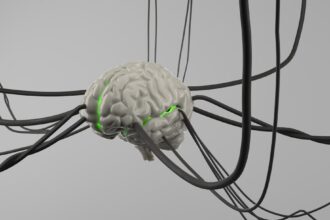
A critical Nature Medicine study reveals three essential insights for clinical practice. First, general-purpose frontier AI models demonstrated superior performance on real physician questions compared to specialized clinical tools—contrary to conventional expectations about domain-specific systems. Second, two leading clinical AI platforms showed no accuracy advantage over basic search engine AI, despite their specialized medical design and training. This suggests that purpose-built clinical AI does not automatically translate to better clinical performance. Third, and most troubling, these systems are entering clinical practice with minimal independent performance validation—a regulatory gap with patient safety implications. For physicians evaluating AI tools for clinical decision support, these findings underscore the importance of demanding evidence of independent testing and real-world performance data before adoption. Specialization should be validated, not assumed. Read the full article on GMJ Newsroom.
Was this article helpful?