By using this site, you agree to the Privacy Policy and Terms of Use.
Accept
GMJ NewsGMJ NewsGMJ News
  • Latest News
    • GMJ Briefs
  • Podcast & Media
    • Podcast Episodes
    • GMJ Audio
    • GMJ Videos
  • Research Digest
    • New Studies
    • Georgian Research
    • Data & Numbers
  • Policy & Systems
    • Health Policy
    • Quality & Safety
    • Migration & Health
    • Global Health
  • Practice
    • Clinical Updates
    • Case Discussions
    • Pharmacy & Prescribing
    • Ingredients A-Z
  • Perspectives
    • Editorial
    • Explainers
    • Voices
    • Letters
  • GMJ Articles
    • Vol. 1 Issue 2 (2026)
    • Vol. 1 Issue 1 (2026)
    • Pre-Launch Articles (2025)
  • Read the Journal →
  • About GMJ News
Notification Show More
Font ResizerAa
GMJ NewsGMJ News
Font ResizerAa
  • Latest News
    • GMJ Briefs
  • Podcast & Media
    • Podcast Episodes
    • GMJ Audio
    • GMJ Videos
  • Research Digest
    • New Studies
    • Georgian Research
    • Data & Numbers
  • Policy & Systems
    • Health Policy
    • Quality & Safety
    • Migration & Health
    • Global Health
  • Practice
    • Clinical Updates
    • Case Discussions
    • Pharmacy & Prescribing
    • Ingredients A-Z
  • Perspectives
    • Editorial
    • Explainers
    • Voices
    • Letters
  • GMJ Articles
    • Vol. 1 Issue 2 (2026)
    • Vol. 1 Issue 1 (2026)
    • Pre-Launch Articles (2025)
  • Read the Journal →
  • About GMJ News
Follow US
GMJ News > GMJ Briefs > What the Obesity Crisis in Horses Teaches Us About Human Metabolic Health

What the Obesity Crisis in Horses Teaches Us About Human Metabolic Health

GMJ
Last updated: 17/07/2026 16:25
By
Prof. Giorgi Pkhakadze
Share
1 Min Read
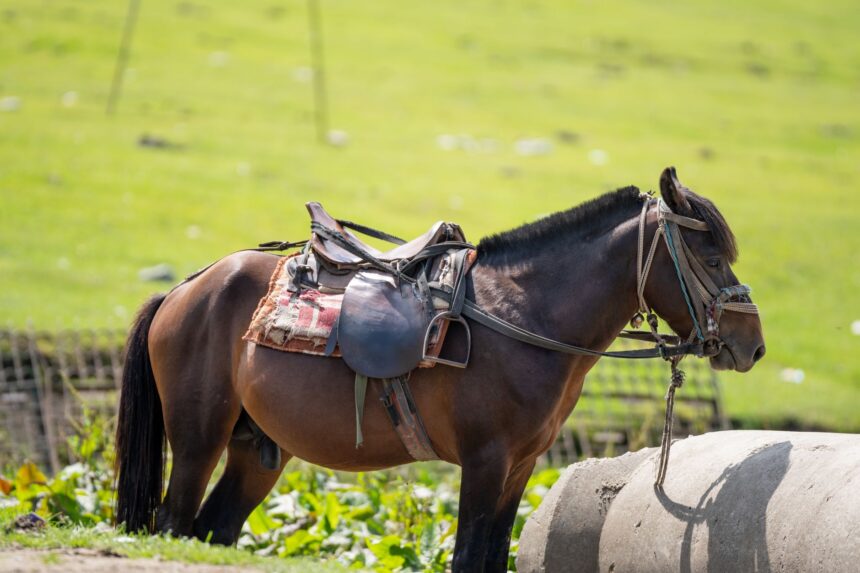
Comparison chart showing parallel obesity trends between horses and humans
American horses are developing obesity and metabolic syndrome at unprecedented rates, mirroring human health trends. This cross-species crisis reveals shared environmental risk factors in modern food systems. — Photo by Imad Clicks on Pexels (Pexels License)
SHARE
1 min read|117 words

The emerging connection between equine and human obesity offers three critical insights for health professionals and policymakers. First, metabolic disease appears driven primarily by environmental factors—specifically industrial food systems—rather than genetic predisposition alone. Second, both human and animal health are compromised by the same problematic elements in modern agriculture: processed feeds high in refined sugars and starches.

Third, and most actionable, comparative approaches examining how multiple species respond to environmental exposures could accelerate the development and implementation of prevention strategies. By studying horses alongside humans, researchers gain unique opportunities to isolate dietary and environmental variables that drive metabolic syndrome.

These findings suggest that meaningful progress requires systemic change in food production, not just individual intervention.

Was this article helpful?

GMJ Brief · Takeaway

📰 Read the full article: American Horses Mirror Human Obesity Crisis, Revealing Shared Environmental Risk Factors →

Related reference
  • Obesity · Condition
  • Iron · Ingredient
  • SAMe · Ingredient
Share This Article
Facebook LinkedIn Bluesky Copy Link Print
GMJ
ByProf. Giorgi Pkhakadze
Follow:
Prof. Giorgi Pkhakadze, MD, MPH, PhD, is Editor-in-Chief of the Georgian Medical Journal and Chair of the Public Health Institute of Georgia (PHIG). He is Professor and Head of the Department of Social and Behavioural Sciences at David Tvildiani Medical University, and Secretary/Treasurer of the UEMS Section of Public Health. ORCID: 0000-0001-7609-4515.

Submit Your Paper →

Georgia's peer-reviewed open-access medical journal. No APC until January 2027.
Submit Manuscript →
Caffeine Boosts Strength Through Neural Drive, Not Muscle Growth—New Evidence

A randomized controlled trial shows caffeine enhances strength and power in resistance-trained…

How the gut absorbs nutrients: a seven-meter journey from mouth to colon

The human gastrointestinal tract divides into five specialized absorption zones, each extracting…

Post-exercise brain signal may be key to fitness gains, mouse study suggests

Researchers at Jackson Laboratory and University of Pennsylvania identified brain neurons that…

Submit Your Paper to GMJ

No APC until January 2027.
Submit Manuscript →

You Might Also Like

Scientific diagram showing CoQ10's role in mitochondrial electron transport chain and heart energy production

What Clinicians Need to Know: CoQ10’s Critical Role in Cardiac Energy Metabolism

By
Prof. Giorgi Pkhakadze
27/06/2026
Laboratory scientist analyzing blood samples for PFAS chemical detection and fingerprinting

Blood Tests Reveal Hidden PFAS Fingerprints as Forever Chemicals Transform in Human Body

By
Prof. Giorgi Pkhakadze
18/06/2026

UN Aviation Agency Issues Safety Alert as Ebola Spreads in DRC and Uganda

By
Prof. Giorgi Pkhakadze
27/05/2026
Scientific illustration showing nitrate sources and brain health impacts from vegetables versus drinking water

Study of 54,000 Adults Reveals Nitrate Source Critically Impacts Dementia Risk

By
Prof. Giorgi Pkhakadze
01/07/2026
Facebook Twitter Youtube Instagram
Company
  • Privacy Policy
  • Contact US
  • GMJ Journal
  • Submit Manuscript
  • Editorial Team
  • Register at GMJ
  • Terms of Use

Subscribe to GMJ News — Click here

Join Community
© 2026 Georgian Medical Journal (GMJ). Published by the Public Health Institute of Georgia (PHIG). All rights reserved.
Welcome Back!

Sign in to your account

Username or Email Address
Password

Lost your password?

Not a member? Sign Up