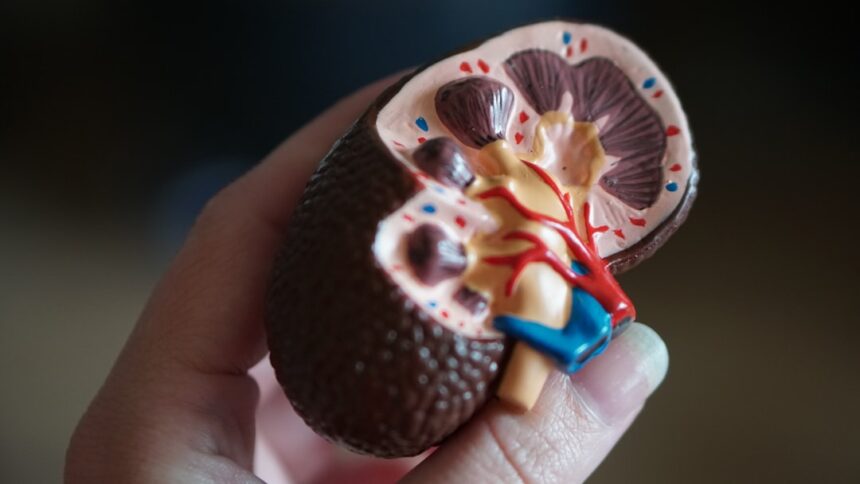
A new kidney transplant protocol published in Science Translational Medicine (June 2026) offers three critical benefits for patients and clinicians. First, chimerism—the state of immune acceptance—can now be achieved without myeloablative irradiation, eliminating a major source of treatment-related harm. Second, this reduced conditioning toxicity immediately expands the patient population eligible for transplantation, including those with comorbidities or age-related factors that previously made standard protocols unsafe.
Third, the protocol holds promise for reducing lifelong immunosuppression burden. By establishing stable immune tolerance rather than relying solely on immunosuppressive medications, patients may experience fewer long-term complications, improved organ longevity, and better overall quality of life. This approach, combining donor bone marrow with recipient regulatory T cells, represents a fundamental advance in making organ transplantation safer and more accessible to diverse patient populations.
Read the full article on GMJ Newsroom.
Was this article helpful?