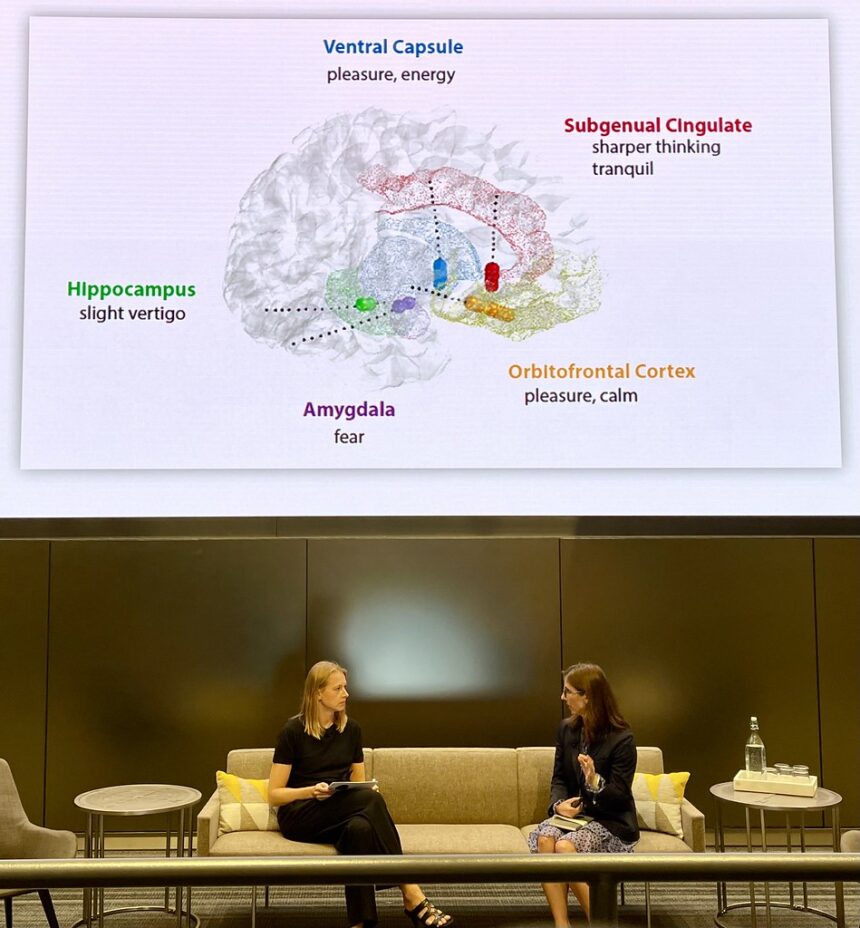
Swiss neuroscientists have made progress that clinicians and patients should understand. The addition of a third electrode pair to noninvasive deep brain stimulation protocols dramatically improves the precision with which researchers can target specific brain regions. This matters because greater accuracy means more effective treatment with potentially fewer adverse effects.
For patients, this advancement suggests a pathway toward noninvasive brain stimulation therapies that eliminate surgical implantation risks while maintaining therapeutic benefit. Currently, many neurological and psychiatric conditions rely on either medication alone or invasive surgical procedures. This research bridges that gap by demonstrating enhanced targeting capabilities without requiring surgical intervention.
The practical implication is expanded treatment access for conditions like Parkinson’s disease and depression. While these findings are preliminary and based on animal models, they indicate promising directions for future clinical development and therapeutic innovation in neurology and psychiatry.
Read the full article on GMJ Newsroom.

Was this article helpful?