


Explainers
Plain-language deep dives for public audiences

Caffeine Does Not Create Energy—It Masks Fatigue, Study Shows
Caffeine does not produce energy but instead blocks the brain's fatigue signals, allowing tiredness to accumulate invisibly. Genetic variation in…

How Two Minerals Lock Down Brain Anxiety: Magnesium and Zinc’s Dual Control of Neural Excitation
The brain's primary anxiety-regulating system relies on two independent mineral-based brakes: magnesium physically blocks the NMDA receptor's ion channel pore,…



Adverse Childhood Experiences in Rural India: Why Western Frameworks Fall Short
The standard Adverse Childhood Experiences framework inadequately captures the spectrum of adversity affecting children in…
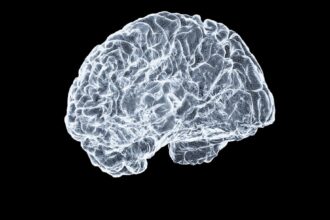
Brain enzyme GSK-3β: How lithium may slow aging at the molecular level
An enzyme called GSK-3β accelerates cellular aging in the brain and is overactive in Alzheimer's…
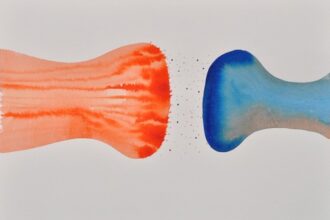
How Synaptic Signalling Powers Every Thought, Mood, and Decision
Every thought, mood, and decision emerges from synaptic signalling—a process where seven major neurotransmitter systems…

Why Your Body Needs Vitamin B12 in Micrograms but Sodium in Grams: The Hidden Logic of Nutrient Requirements
Human nutrient requirements span from micrograms of vitamin B12 to grams of sodium—a range reflecting…

How testosterone production really works: the brain-gonad feedback loop explained
Testosterone is produced through a tightly regulated feedback loop between the brain, pituitary gland, and…