


Explainers
Plain-language deep dives for public audiences

How Vitamins Work: Fat-Soluble vs Water-Soluble Classification and Metabolic Function
Vitamins are classified by solubility into fat-soluble (A, D, E, K) and water-soluble (B-complex, C) categories, each with distinct absorption,…
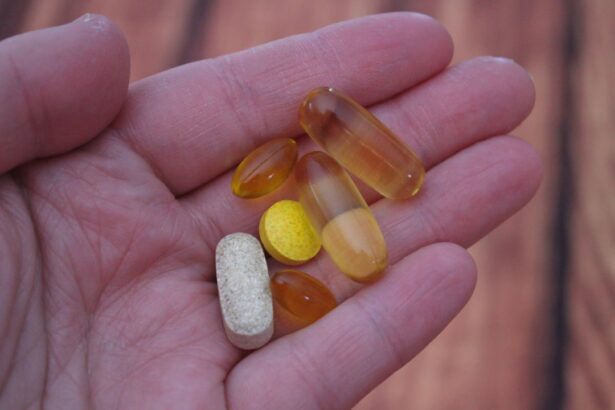
Vitamin D Deficiency Affects 40–97% of Populations; Latitude and Skin Tone Drive Risk
Vitamin D insufficiency affects 40–97% of North American populations, with risk increasing dramatically at higher latitudes and in individuals with…
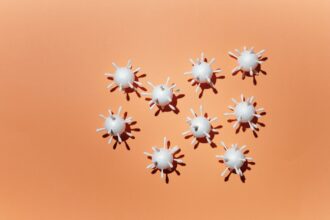

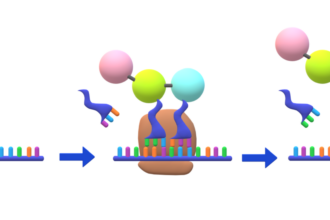
The 20 Amino Acids: The Chemical Alphabet of Life and What Every Patient Should Know
Proteins are constructed from just 20 amino acids, nine of which must come from food.…
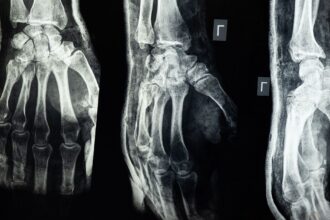
Bones as Metabolic Organs: How Mechanical Loading Triggers Glucose Control
Bones are metabolic organs, not merely structural tissue. Mechanical loading triggers osteocalcin release, which improves…

Personalised Squat Biomechanics: How Individual Posture Determines Safe Exercise Form
Effective squat technique depends on individual postural alignment and structural constraints, not universal standards. Exercise…

The Master Clock: How Your Brain’s Circadian Rhythm Controls Sleep, Hunger, and Mood
Your brain contains a master clock—the suprachiasmatic nucleus—that controls every major physiological process across a…

Chronic pain stems from load distribution, not isolated posture flaws
Chronic pain typically emerges from systemic biomechanical misalignment rather than isolated local tissue dysfunction. Effective…