


Explainers
Plain-language deep dives for public audiences

Vitamins as Biological Operators: Why Micronutrient Function Matters More Than Dosage
Vitamins function as specific biochemical operators in skeletal, immune, neurological, and metabolic systems, not as interchangeable nutrients. Deficiencies present across…

One-third of American Adults Miss Sleep Guidelines: What the Evidence Shows About Supplements and Sleep
Approximately one-third of American adults fail to meet the recommended 7–9 hours of nightly sleep. Evidence shows that lifestyle modifications…

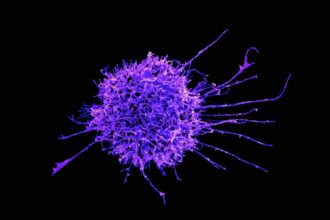
How Your Immune System Works: A Guide to Its Specialized Cells and Functions
Your immune system is an organized network of specialized cells—dendritic cells, T cells, B cells,…
How the gut absorbs nutrients: a seven-meter journey from mouth to colon
The human gastrointestinal tract divides into five specialized absorption zones, each extracting specific nutrients through…

Beyond the Vitamin List: How Nutrients Work as Interconnected Biological Systems
Conventional nutrition presents vitamins and minerals as isolated nutrients, but biochemical evidence shows they function…

How Plants Send Electrical Distress Signals After Injury—Using the Same Molecule as Human Nerves
Plants deploy a glutamate-mediated calcium signaling system to detect injury and coordinate rapid defensive responses—using…

How B Vitamins and Micronutrients Power the Brain’s Energy System
The brain consumes 20% of adult body energy—up to 50% in children—demanding constant B-vitamin and…