


Explainers
Plain-language deep dives for public audiences

How Two Minerals Lock Down Brain Anxiety: Magnesium and Zinc’s Dual Control of Neural Excitation
The brain's primary anxiety-regulating system relies on two independent mineral-based brakes: magnesium physically blocks the NMDA receptor's ion channel pore,…

Vitamins as Biological Operators: Why Micronutrient Function Matters More Than Dosage
Vitamins function as specific biochemical operators in skeletal, immune, neurological, and metabolic systems, not as interchangeable nutrients. Deficiencies present across…



The Melatonin Myth: Why Taking a Pill Misses the Biochemical Picture
Most people treat melatonin as a simple sleep replacement, but your body synthesises it through…

Melatonin’s antioxidant role in muscle health: what the evidence shows
Melatonin, known for antioxidant effects in the brain and gut, may also protect skeletal muscle…

How Creatine Supplements Reshape Your Body’s Methylation Cycle
Your body produces 2 grams of creatine daily, consuming 40% of your total methyl group…
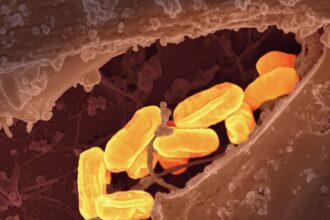
Mitochondria as metabolic decision-makers: how cellular power plants regulate inflammation, aging, and disease
Mitochondria function as metabolic control centers that regulate inflammation, aging, and disease susceptibility across multiple…
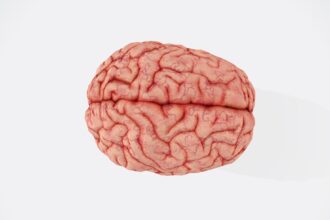
How minerals shape brain function: what neuroscience reveals about micronutrient deficiency
Minerals are fundamental to brain function, regulating neurotransmission, neuroplasticity, and neuronal resilience. From iodine's role…