


Explainers
Plain-language deep dives for public audiences

How Two Minerals Lock Down Brain Anxiety: Magnesium and Zinc’s Dual Control of Neural Excitation
The brain's primary anxiety-regulating system relies on two independent mineral-based brakes: magnesium physically blocks the NMDA receptor's ion channel pore,…

Vitamins as Biological Operators: Why Micronutrient Function Matters More Than Dosage
Vitamins function as specific biochemical operators in skeletal, immune, neurological, and metabolic systems, not as interchangeable nutrients. Deficiencies present across…


Stress impairs memory and attention by up to 20%, study finds—but botanical interventions show promise
Acute psychological stress reduces memory and attention test performance by approximately 20%, according to research.…

How the body metabolises alcohol: the biochemistry behind why drinks linger
Alcohol metabolism is a three-step enzymatic pathway that generates toxic acetaldehyde and depletes NAD⁺ cofactors,…

How glycine lowers core body temperature to trigger sleep—a thermostat mechanism
Glycine triggers sleep by lowering core body temperature through activation of the suprachiasmatic nucleus and…
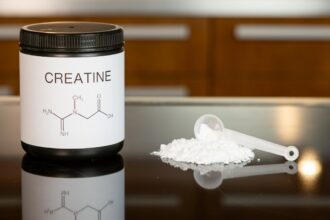
How Creatine Actually Works: The ATP Shuttle System Explained
Creatine supplementation does not work primarily through water retention or caffeine-like stimulation. Instead, it enhances…

Why higher zinc supplement doses don’t deliver proportionally more absorption
Zinc supplements marketed at 30mg, 50mg, or higher doses deliver far less additional absorbed zinc…