


Research Digest
Key findings from global medical research, explained for clinicians and the public
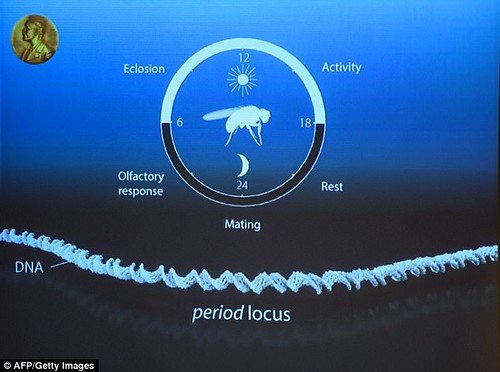
The Brain’s Master Clock: How the Circadian System Controls Sleep, Hunger, and Metabolism
The suprachiasmatic nucleus, a rice-grain-sized brain structure, acts as your body's master clock, orchestrating 24-hour rhythms of sleep, hunger, metabolism,…

Creatine for Brain Health: What the Evidence Actually Shows
Creatine's muscle-building effects are supported by robust evidence, but cognitive claims rest on a weaker, population-specific foundation. A comprehensive literature…


Special Operations Forces Show Persistent Health Burden From Combat Trauma, New Study Reveals
Active-duty U.S. special operations forces personnel show persistent health problems across behavioral, biological, and physiological…

Why Adolescent Obesity Is Rising in the Digital Age—and How Digital Tools Can Help
Global adolescent obesity is rising due to digital food marketing and structural inequities. While digital…

Frozen and Canned Produce Offer Similar Nutritional Value to Fresh, Research Shows
Frozen and canned fruits and vegetables retain nutritional quality comparable to fresh produce, research shows.…

Even Light Smoking Raises Heart Disease Risk by 50–60%, Study Shows—and Quitting Doesn’t Fully Reverse It
A pooled analysis of 302,522 adults in PLOS Medicine found that smoking just 2–5 cigarettes…
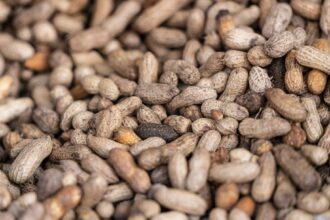
Daily Peanut Consumption Reverses a Decade of Age-Related Brain Blood Flow Decline
Consuming 60 grams of skin-roasted peanuts daily improved cerebral blood flow by 4% in older…