


Research Digest
Key findings from global medical research, explained for clinicians and the public
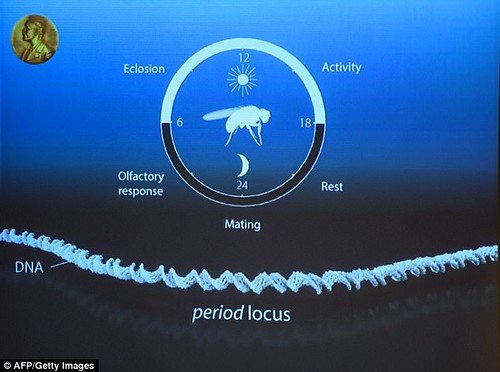
The Brain’s Master Clock: How the Circadian System Controls Sleep, Hunger, and Metabolism
The suprachiasmatic nucleus, a rice-grain-sized brain structure, acts as your body's master clock, orchestrating 24-hour rhythms of sleep, hunger, metabolism,…

Creatine for Brain Health: What the Evidence Actually Shows
Creatine's muscle-building effects are supported by robust evidence, but cognitive claims rest on a weaker, population-specific foundation. A comprehensive literature…



Coffee and Heart Health: New 2025 Evidence Reshapes Clinical Guidance
New 2025 evidence reshapes clinical guidance on coffee consumption and heart health, showing that brewing…

Daily Peanut Consumption Linked to 4% Improvement in Brain Blood Flow in Older Adults
A new study in Clinical Nutrition (2025) found that consuming 60 grams of skin-roasted peanuts…
Brain network fragmentation at legal alcohol limits predicts subjective intoxication
Functional MRI reveals that individuals with identical blood alcohol levels show variable degrees of brain…

Evidence Review: Five Health Behaviours Reshaping 2025 Clinical Practice
Real-world studies and trials in 2025 reveal that timing and context shape the impact of…

L-Theanine Improves Sleep Quality Without Drowsiness, Systematic Review Finds
A systematic review of 13 randomised trials found that L-theanine supplementation at 200–450 mg daily…