


Research Digest
Key findings from global medical research, explained for clinicians and the public
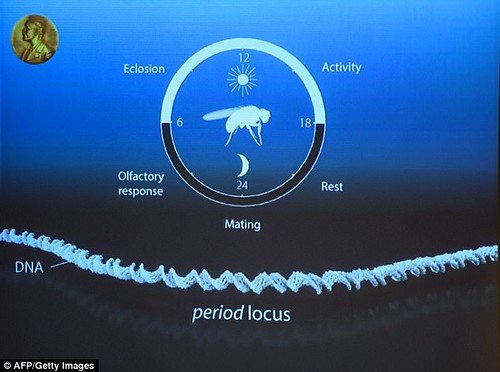
The Brain’s Master Clock: How the Circadian System Controls Sleep, Hunger, and Metabolism
The suprachiasmatic nucleus, a rice-grain-sized brain structure, acts as your body's master clock, orchestrating 24-hour rhythms of sleep, hunger, metabolism,…

Creatine for Brain Health: What the Evidence Actually Shows
Creatine's muscle-building effects are supported by robust evidence, but cognitive claims rest on a weaker, population-specific foundation. A comprehensive literature…



Meta-analysis reveals shared neurochemical signature across anxiety disorders
A meta-analysis of 25 brain imaging studies has identified a consistent neurochemical pattern across anxiety…
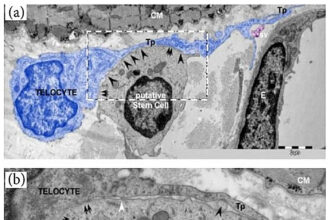
How a Single Stem Cell Learns to Beat: New Insights into Cardiac Development
Researchers at Vanderbilt University have documented the transformation of a single stem cell into a…

Why creatine works in muscle but not the brain—yet
Creatine supplementation raises muscle creatine by 20–50% in days, but brain creatine increases by only…

Prenatal Iodine Deficiency Linked to Lower Verbal Intelligence in Adolescence, UK Study Finds
A 15-year UK cohort study shows that severe prenatal iodine deficiency is associated with a…
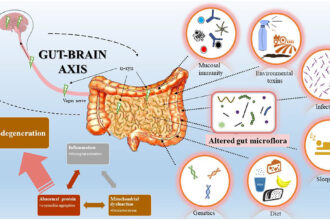
How the brain controls inflammation: The vagus nerve’s unexpected role in immune regulation
The brain controls inflammation through an electrical circuit called the inflammatory reflex, mediated by the…