


Research Digest
Key findings from global medical research, explained for clinicians and the public
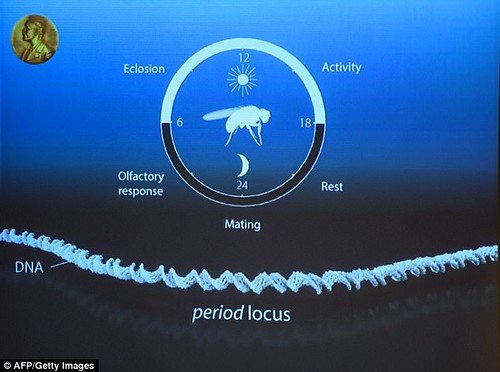
The Brain’s Master Clock: How the Circadian System Controls Sleep, Hunger, and Metabolism
The suprachiasmatic nucleus, a rice-grain-sized brain structure, acts as your body's master clock, orchestrating 24-hour rhythms of sleep, hunger, metabolism,…

Creatine for Brain Health: What the Evidence Actually Shows
Creatine's muscle-building effects are supported by robust evidence, but cognitive claims rest on a weaker, population-specific foundation. A comprehensive literature…



High-Carbohydrate Breakfast Fails to Boost Glycogen in Well-Trained Cyclists
A new study found that a large carbohydrate breakfast did not increase liver or muscle…

How Plants Send Electrical Distress Signals After Injury—Using the Same Molecule as Human Nerves
Plants deploy a glutamate-mediated calcium signaling system to detect injury and coordinate rapid defensive responses—using…

Vitamin D Deficiency Links to Multiple Chronic Diseases, New Review Shows
A comprehensive review in Nutrients documents how vitamin D deficiency impairs immune function and is…

Why Nutraceuticals Help Depression: Not by Acting as Drugs, but by Fixing What Antidepressants Miss
A 2025 meta-analysis reveals that nutraceuticals improve depression outcomes when added to antidepressants—not by mimicking…

Sleep Quality Drives Daily Movement More Than Exercise Boosts Rest, 2025 Data Shows
Wearable data from 71,000 adults over 3.5 years reveal that sleep quality predicts next-day physical…