


Research Digest
Key findings from global medical research, explained for clinicians and the public
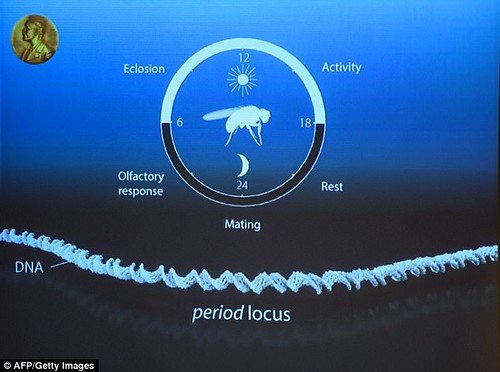
The Brain’s Master Clock: How the Circadian System Controls Sleep, Hunger, and Metabolism
The suprachiasmatic nucleus, a rice-grain-sized brain structure, acts as your body's master clock, orchestrating 24-hour rhythms of sleep, hunger, metabolism,…

Creatine for Brain Health: What the Evidence Actually Shows
Creatine's muscle-building effects are supported by robust evidence, but cognitive claims rest on a weaker, population-specific foundation. A comprehensive literature…


Light roast coffee retains highest chlorogenic acid levels, study shows
Light roast coffee preserves 8.0 mg/g of chlorogenic acids compared to 4.35 mg/g in dark…

How Diet Shapes Your Gut Microbiome—and Why It Matters for Health
Food functions as a biological intervention that reshapes your gut microbiome, directly controlling inflammation, glucose…

Vitamin K’s Hidden Hierarchy: Why Your Body Prioritises Blood Clotting Over Bone Health
Current vitamin K dietary guidelines prioritise blood clotting at the expense of bone and arterial…

Organs Age Independently: Stanford Study Shows Brain and Immune System Drive Lifespan Risk
Stanford researchers measured plasma proteins in 44,498 people and built separate aging clocks for 11…
PQQ Shows Consistent Benefits for Inflammation, Energy, and Memory in Human Trials
Pyrroloquinoline quinone (PQQ), a naturally occurring micronutrient, shows consistent improvements in inflammatory markers, mitochondrial energy…