


Research Digest
Key findings from global medical research, explained for clinicians and the public
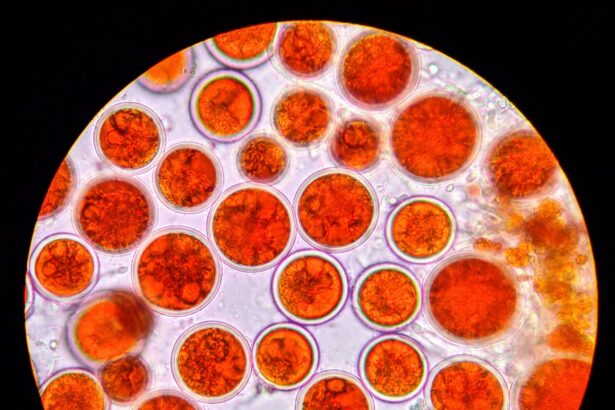
Astaxanthin Doses in the Clinic: What 6–12 mg Actually Showed
An honest walk through the human trials of astaxanthin at 6–12 mg per day: what they found on lipids, oxidative…

Can laughter improve health? Researchers launch study to find out
A new research initiative called the Laughter Lab is systematically investigating whether laughter can improve health and wellbeing. The study…


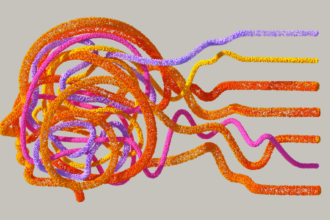
Brain network fragmentation at legal alcohol limits predicts subjective intoxication
Functional MRI reveals that individuals with identical blood alcohol levels show variable degrees of brain…

Evidence Review: Five Health Behaviours Reshaping 2025 Clinical Practice
Real-world studies and trials in 2025 reveal that timing and context shape the impact of…

L-Theanine Improves Sleep Quality Without Drowsiness, Systematic Review Finds
A systematic review of 13 randomised trials found that L-theanine supplementation at 200–450 mg daily…

Meta-analysis reveals shared neurochemical signature across anxiety disorders
A meta-analysis of 25 brain imaging studies has identified a consistent neurochemical pattern across anxiety…

How a Single Stem Cell Learns to Beat: New Insights into Cardiac Development
Researchers at Vanderbilt University have documented the transformation of a single stem cell into a…