


Research Digest
Key findings from global medical research, explained for clinicians and the public
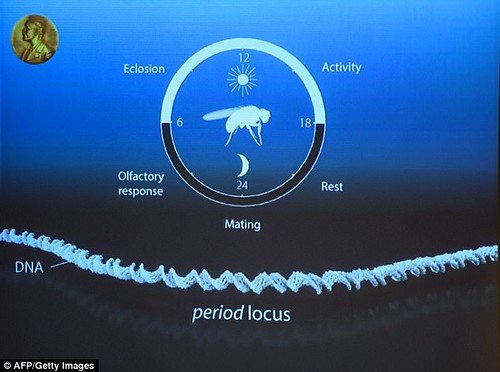
The Brain’s Master Clock: How the Circadian System Controls Sleep, Hunger, and Metabolism
The suprachiasmatic nucleus, a rice-grain-sized brain structure, acts as your body's master clock, orchestrating 24-hour rhythms of sleep, hunger, metabolism,…

Creatine for Brain Health: What the Evidence Actually Shows
Creatine's muscle-building effects are supported by robust evidence, but cognitive claims rest on a weaker, population-specific foundation. A comprehensive literature…


Brain Network Fragmentation at Legal Alcohol Limits Predicts Intoxication Severity, fMRI Study Shows
New fMRI research shows that at identical blood alcohol concentrations, individuals experience variable brain network…
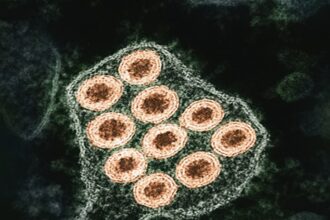
Close Contact Alone May Not Drive Influenza Transmission, Controlled Study Suggests
A controlled human challenge–transmission study found that prolonged close contact with influenza-infected individuals did not…

Carbohydrate Ingestion During Endurance Exercise: Meta-Analysis Shows Modest Glycogen Sparing Effect
A meta-analysis of 31 crossover trials reveals that carbohydrate ingestion during prolonged endurance exercise reduces…

Caffeine Boosts Strength Through Neural Drive, Not Muscle Growth—New Evidence
A randomized controlled trial shows caffeine enhances strength and power in resistance-trained lifters by increasing…
Post-exercise brain signal may be key to fitness gains, mouse study suggests
Researchers at Jackson Laboratory and University of Pennsylvania identified brain neurons that appear necessary for…