By using this site, you agree to the Privacy Policy and Terms of Use.
Accept
GMJ NewsGMJ NewsGMJ News
  • Latest News
    • GMJ Briefs
  • Podcast & Media
    • Podcast Episodes
    • GMJ Audio
    • GMJ Videos
  • Research Digest
    • New Studies
    • Georgian Research
    • Data & Numbers
  • Policy & Systems
    • Health Policy
    • Quality & Safety
    • Migration & Health
    • Global Health
  • Practice
    • Clinical Updates
    • Case Discussions
    • Pharmacy & Prescribing
    • Ingredients A-Z
  • Perspectives
    • Editorial
    • Explainers
    • Voices
    • Letters
  • Health Topics
  • GMJ Articles
    • Vol. 1 Issue 2 (2026)
    • Vol. 1 Issue 1 (2026)
    • Pre-Launch Articles (2025)
  • Read the Journal →
  • About GMJ News
Notification Show More
Font ResizerAa
GMJ NewsGMJ News
Font ResizerAa
  • Latest News
    • GMJ Briefs
  • Podcast & Media
    • Podcast Episodes
    • GMJ Audio
    • GMJ Videos
  • Research Digest
    • New Studies
    • Georgian Research
    • Data & Numbers
  • Policy & Systems
    • Health Policy
    • Quality & Safety
    • Migration & Health
    • Global Health
  • Practice
    • Clinical Updates
    • Case Discussions
    • Pharmacy & Prescribing
    • Ingredients A-Z
  • Perspectives
    • Editorial
    • Explainers
    • Voices
    • Letters
  • Health Topics
  • GMJ Articles
    • Vol. 1 Issue 2 (2026)
    • Vol. 1 Issue 1 (2026)
    • Pre-Launch Articles (2025)
  • Read the Journal →
  • About GMJ News
Follow US
GMJ News > Practice > Clinical Updates > CDC Reports Sharp Rise in Hantavirus Cases Across Western United States
Clinical UpdatesGlobal HealthPolicy & SystemsPractice

CDC Reports Sharp Rise in Hantavirus Cases Across Western United States

GMJ
Last updated: 12/07/2026 13:30
By
GMJ Practice Desk
Share
8 Min Read
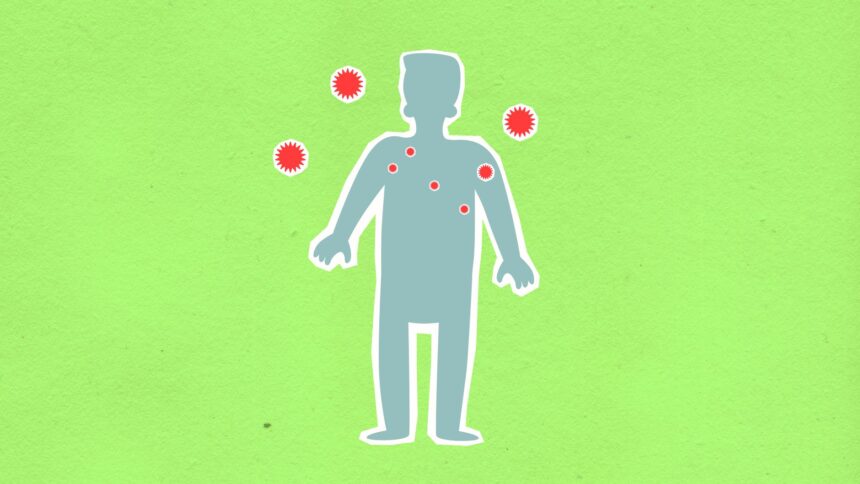
CDC hantavirus response infographic showing surveillance and prevention prioritiesIllustrative image · Photo by Monstera Production on Pexels (Pexels License)
The CDC has reported a significant increase in hantavirus cases across western United States during 2026, activating enhanced surveillance and public awareness protocols. Rodent exclusion and early clinical recognition remain critical to preventing transmission and improving survival outcomes. — Photo by Monstera Production on Pexels (Pexels License)
SHARE
🎧 Listen to this article7:15 min · 1,028 words · GMJ Audio
5 min read|1,028 words
✓ Reviewed by GMJ News Editorial Team

🟠 Moderate Evidence

Contents
    • Key takeaways
      • Hantavirus Surveillance: Key Response Metrics
  • Outbreak Detection and Response Timeline
  • Rodent-Borne Transmission and Environmental Risk Factors
  • Clinical Recognition and Patient Management
    • What this means
  • Frequently asked questions
    • Can hantavirus spread from person to person?
    • What is the survival rate for hantavirus pulmonary syndrome?
    • What should I do if I find rodent droppings in my home?

The Centers for Disease Control and Prevention (CDC) has documented a significant increase in hantavirus cases across western states during 2026, prompting enhanced surveillance and public awareness efforts. The outbreak underscores the ongoing threat posed by rodent-borne pathogens, particularly in regions where human activity overlaps with rodent habitats.

Key takeaways

  • Hantavirus cases have risen substantially in western United States during 2026
  • The CDC has activated enhanced surveillance and community outreach protocols
  • Rodent exclusion and environmental control remain the primary prevention strategies
  • Case fatality rates for hantavirus pulmonary syndrome remain high, requiring early clinical recognition
Confirmed cases rising
CDC response update, June 2026 — multiple western states affected

Hantavirus Surveillance: Key Response Metrics

CDC monitoring priorities and prevention focus areas, 2026

Rodent control & exclusion
Primary
Healthcare provider alerts
High
Public education campaigns
Active
Laboratory testing capacity
Increased
State coordination meetings

Ongoing

Source: CDC Hantavirus Response Update, June 2026 | Georgian Medical Journal News

Submit Your Paper
GMJ_Submit_Banner

Outbreak Detection and Response Timeline

According to the CDC’s June 2026 hantavirus response update, public health authorities identified an uptick in confirmed cases across multiple western states. The agency has established coordinated response protocols involving state health departments, clinical laboratories, and healthcare facilities to improve case identification and management. Early detection remains critical, as hantavirus pulmonary syndrome (HPS) presents with nonspecific influenza-like symptoms in its initial phase, often delaying diagnosis.

🎙️ Related Podcast Episodes
🎧 #52 | GMJ Podcast | Health and Migration Knowledge Hub — A Global Resource for Evidence-Based Practice · 17m
🎧 #9 Leprosy in 2026: Bridging Medical Cure and Social Inclusion – WHO World Leprosy Day Message · 18m

The CDC has intensified communication with healthcare providers across affected regions, emphasizing the importance of considering hantavirus in the differential diagnosis for patients presenting with unexplained respiratory illness. This strategy mirrors successful outbreak response efforts documented in prior hantavirus surveillance literature, where clinical awareness directly improved case identification rates and patient outcomes.

Rodent-Borne Transmission and Environmental Risk Factors

Hantavirus transmission occurs through inhalation of aerosolized particles from infected rodent droppings, urine, or saliva—not through person-to-person contact. According to the CDC’s hantavirus transmission guidance, risk exposure typically occurs in homes, workplaces, or outdoor settings where rodent populations thrive, particularly in agricultural areas and rural communities. The 2026 outbreak pattern suggests environmental conditions favorable to rodent colonization may be contributing to increased human exposure.

The CDC emphasizes that rodent exclusion—sealing entry points in buildings, removing food sources, and eliminating nesting materials—represents the most effective prevention strategy. This recommendation aligns with integrated pest management (IPM) principles endorsed by public health authorities. Communities across the affected western states have launched targeted rodent control initiatives in collaboration with local health departments and environmental health specialists. For more information on quality and safety in disease control, consult outbreak response guidelines from state health agencies.

Clinical Recognition and Patient Management

Hantavirus pulmonary syndrome presents a diagnostic challenge due to its prodromal phase of fever, myalgia, and malaise, which closely mimics seasonal influenza. The CDC’s clinical guidance for HPS emphasizes that progression to the cardiopulmonary phase—marked by cough, dyspnea, and pulmonary edema—requires immediate intensive care. Case fatality rates for HPS remain substantial, making early suspicion and timely diagnosis essential for improving survival outcomes.

Hantavirus pulmonary syndrome remains a high-mortality illness requiring immediate recognition and supportive intensive care; early clinical suspicion based on exposure history and respiratory symptoms is critical for patient survival.

— CDC Hantavirus Response Update, June 2026

The agency has distributed updated diagnostic algorithms and specimen collection protocols to state laboratories and hospital systems, ensuring that suspected cases receive rapid confirmation testing. Healthcare providers in affected regions are encouraged to maintain a high index of suspicion for hantavirus in patients with unexplained respiratory distress, particularly those with potential rodent exposure history. This proactive clinical approach has proven effective in prior outbreaks for reducing diagnostic delays and improving triage decisions.

What this means

For patients: Individuals in western states should inspect homes and workplaces for rodent evidence, seal entry points, and seek immediate medical attention if experiencing fever, muscle aches, or respiratory symptoms after potential rodent exposure. Avoid sweeping or vacuuming rodent droppings, which can aerosolize virus particles.
For clinicians: Maintain clinical suspicion for hantavirus in patients presenting with acute respiratory illness and potential rodent exposure history, particularly in western states during 2026. Early notification to public health authorities and state laboratories enables rapid confirmatory testing and ensures patients receive appropriate intensive care and supportive management.
For policymakers: The 2026 outbreak demonstrates the need for sustained rodent control funding, integrated pest management training programs, and ongoing healthcare provider education. Building codes and workplace safety standards should incorporate rodent-proofing measures, especially in rural and agricultural regions where occupational exposure risk is elevated. Public health surveillance infrastructure requires adequate resources for real-time case tracking and outbreak response coordination.

Frequently asked questions

Can hantavirus spread from person to person?

No. According to the CDC, hantavirus is transmitted exclusively through inhalation of aerosolized particles from infected rodent excreta. Person-to-person transmission does not occur, with rare exceptions involving healthcare-associated exposure to blood or body fluids (which remain uncommon). Close contact with infected individuals does not pose transmission risk.

What is the survival rate for hantavirus pulmonary syndrome?

Hantavirus pulmonary syndrome carries a case fatality rate of approximately 38–50% even with modern intensive care, according to CDC historical data. Survival outcomes depend critically on early recognition, rapid hospitalization, and aggressive supportive care including mechanical ventilation and vasopressor support. Delayed diagnosis is associated with worse prognosis.

What should I do if I find rodent droppings in my home?

The CDC recommends avoiding direct contact with rodent droppings and wearing N95 respiratory protection and gloves before cleanup. Spray droppings with a 10% bleach solution to inactivate virus particles, allow to sit for several minutes, then carefully dispose of contaminated materials in sealed bags. Do not vacuum or sweep, as this aerosolizes infectious particles. For large infestations, contact licensed pest control professionals trained in hantavirus-safe remediation.

As the 2026 hantavirus response continues, the CDC remains committed to real-time surveillance coordination with state and local health departments. Ongoing case monitoring, environmental investigation, and public communication will be essential to controlling transmission and preventing further cases. Healthcare providers should remain vigilant for suspected hantavirus cases and maintain close collaboration with public health authorities to support rapid outbreak containment. For updates on global health threats and emerging infections, clinicians should consult CDC and WHO guidance regularly.

Source: CDC Hantavirus Response Update – June 24, 2026

Was this article helpful?

Disclaimer. This article is health journalism intended for general information and education. It is not medical advice and is not a substitute for professional diagnosis or treatment. Always consult a qualified healthcare provider about your individual circumstances. Full disclaimer →

Related Coverage

AI Integration and Federal Policy Shape Biotech Industry Outlook at BIO 2026Aug 20, 2026
CoQ10 and Warfarin: A Lesser-Known InteractionAug 20, 2026
Combination immunotherapy with radiation shows promise in hormone-receptor-positive breast cancerAug 20, 2026
Most Brazilian Children with Disabling Musculoskeletal Pain Recover Within a Year, Study ShowsAug 20, 2026
Explore more on this topic:🧭 Tuberculosis hub🧭 Malaria hub🧭 Diarrhoeal Diseases hub
🔥 Most read this week
1High-Dose Zinc Supplements May Create Copper Deficiency, Warn Nutrition Experts
2L-Theanine Improves Sleep Quality Without Drowsiness, Systematic Review Finds
3How Coffee Brewing Method Affects Cholesterol: The Science Behind Diterpenes and Filters
4How Coffee and Tea Reduce Iron Absorption: A Mechanism Explained
Related reference
  • Iron · Ingredient
PG
Editorial oversight
Prof. Giorgi Pkhakadze, MD, MPH, PhD
Editor-in-Chief, GMJ News
Full profile →  ·  ORCID 0000-0001-7609-4515
Medical disclaimer. This article is health journalism intended for general information. It is not medical advice and is not a substitute for consultation with a qualified healthcare professional. Always seek your physician's advice regarding any medical condition.
Editorial standards. This article was produced under the GMJ News editorial process, with oversight by the GMJ Editorial Board. Our editorial process. Spotted an error? Contact the editorial team.
📬 GMJ Health Digest
Evidence-based medical news, once a week. Free, no spam, unsubscribe anytime.
TAGGED:2026CDChantavirusInfectious Diseaseoutbreakpublic healthrodent-borne illnesswestern US
Share This Article
Facebook LinkedIn Bluesky Copy Link Print
GMJ
ByGMJ Practice Desk
Follow:
GMJ Practice Desk is part of GMJ News, the newsroom of the Georgian Medical Journal (gmj.ge), published by the Public Health Institute of Georgia. Every article is editorially reviewed before publication.
Leave a Comment Leave a Comment

Leave a Reply Cancel reply

Your email address will not be published. Required fields are marked *

Submit Your Paper →

Georgia's peer-reviewed open-access medical journal. No APC until January 2027.
Submit Manuscript →
AI Integration and Federal Policy Shape Biotech Industry Outlook at BIO 2026

Artificial intelligence and federal regulatory policy dominated discussions at BIO International Convention…

Vegan, Gluten-Free, Cruelty-Free: What a Manufacturer’s Declaration Is Worth

A badge on the box, a signed declaration, and an audited third-party…

Astaxanthin Doses in the Clinic: What 6–12 mg Actually Showed

An honest walk through the human trials of astaxanthin at 6–12 mg…

Submit Your Paper to GMJ

No APC until January 2027.
Submit Manuscript →

You Might Also Like

Children affected by conflict in Lebanon requiring medical attentionIllustrative image · Photo by Rudy Issa on Unsplash (Unsplash License)
Migration & HealthPolicy & Systems

Lebanon Ceasefire Fails to Protect Children as 59 Casualties Reported in One Week

By
GMJ Policy Desk
21/06/2026
Healthcare cost reduction chart showing potential savings from medically tailored meal interventions
Clinical UpdatesNew StudiesPracticeResearch Digest

Medically Tailored Meals Show Promise in Reducing Healthcare Costs, Nature Medicine Reports

By
GMJ Practice Desk
06/06/2026
Diagram of vagus nerve inflammatory reflex: brain to spleen to immune responseIllustrative image · Photo by Robina Weermeijer on Unsplash (Unsplash License)
Clinical UpdatesNew StudiesPracticeResearch Digest

How the Brain Controls Inflammation Through the Vagus Nerve

By
GMJ Practice Desk
16/08/2026
Medical illustration showing platelet production and romiplostim mechanism in cancer treatmentIllustrative image · Photo by Ivan S on Pexels (Pexels License)
Clinical UpdatesNew StudiesPracticeResearch Digest

New NEJM Trial Shows Romiplostim Reduces Chemotherapy-Induced Thrombocytopenia Risk

By
GMJ Practice Desk
16/06/2026
Facebook Twitter Youtube Instagram
Company
  • Privacy Policy
  • Contact US
  • GMJ Journal
  • Submit Manuscript
  • Editorial Team
  • Register at GMJ
  • Terms of Use

Subscribe to GMJ News — Click here

Join Community
© 2026 Georgian Medical Journal (GMJ). Published by the Public Health Institute of Georgia (PHIG). All rights reserved.
Welcome Back!

Sign in to your account

Username or Email Address
Password

Lost your password?