By using this site, you agree to the Privacy Policy and Terms of Use.
Accept
GMJ NewsGMJ NewsGMJ News
  • Latest News
  • GMJ Briefs
  • Research Digest
    • New Studies
    • Georgian Research
    • Data & Numbers
  • Policy & Systems
    • Health Policy
    • Quality & Safety
    • Migration & Health
    • Global Health
  • Practice
    • Clinical Updates
    • Case Discussions
    • Pharmacy & Prescribing
  • Perspectives
    • Editorial
    • Explainers
    • Voices
    • Letters
  • Podcast & Media
    • Podcast Episodes
    • Video
    • Infographics
  • GMJ Articles
    • Vol. 1 Issue 2 (2026)
    • Vol. 1 Issue 1 (2026)
    • Pre-Launch Articles (2025)
  • Read the Journal →
Notification Show More
Font ResizerAa
GMJ NewsGMJ News
Font ResizerAa
  • Latest News
  • GMJ Briefs
  • Research Digest
    • New Studies
    • Georgian Research
    • Data & Numbers
  • Policy & Systems
    • Health Policy
    • Quality & Safety
    • Migration & Health
    • Global Health
  • Practice
    • Clinical Updates
    • Case Discussions
    • Pharmacy & Prescribing
  • Perspectives
    • Editorial
    • Explainers
    • Voices
    • Letters
  • Podcast & Media
    • Podcast Episodes
    • Video
    • Infographics
  • GMJ Articles
    • Vol. 1 Issue 2 (2026)
    • Vol. 1 Issue 1 (2026)
    • Pre-Launch Articles (2025)
  • Read the Journal →
Follow US
GMJ News > Research Digest > New Studies > New Framework Protects Critically Ill Patients in Clinical Research: International Standards Meet Georgian Law
New StudiesResearch Digest

New Framework Protects Critically Ill Patients in Clinical Research: International Standards Meet Georgian Law

GMJ
Last updated: 05/24/2026 18:09
By
GMJ News Desk
Share
11 Min Read
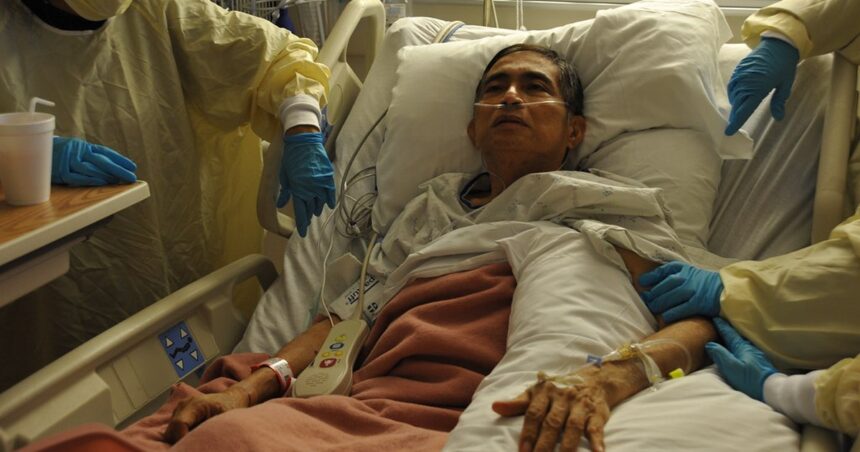
Illustration of research ethics framework for vulnerable patients
A new ethical and legal framework published in the Georgian Medical Journal clarifies that critically ill patients require independent ethical review and informed consent before research participation, with Georgian law fully aligning with international standards. — Photo: Engin Akyurt / Pexels
SHARE

Critically ill patients need stronger ethical safeguards in clinical research, new commentary argues

A comprehensive ethical and legal analysis published in the Georgian Medical Journal has laid out the international standards and Georgian regulatory requirements for including critically ill patients in clinical research—and found that national legislation fully aligns with world best practices. The commentary emphasizes that enrolling such vulnerable patients without prior ethical approval and legally valid informed consent is impermissible.

Contents
  • Critically ill patients need stronger ethical safeguards in clinical research, new commentary argues
  • Why Critically Ill Patients Face Unique Research Risks
  • International Standards: A Framework Built on Three Pillars
  • Georgia’s Regulatory Framework: Alignment with International Norms
  • Why This Matters Now
    • Key takeaways
  • Frequently asked questions
    • What is therapeutic misconception, and why does it affect critically ill patients more?
    • Can critically ill patients be enrolled in research without their own informed consent?
    • Does Georgia’s regulatory framework require ethics review before enrolling critically ill patients?
    • What should researchers do if they have questions about including critically ill patients in their study?
      • Full citation

The article, authored by Giorgi Pkhakadze, addresses a critical gap in research governance: the heightened vulnerability of patients with severe illness, whose decision-making capacity is often impaired and who face elevated risk of therapeutic misconception—the dangerous belief that experimental treatment will benefit them personally.

3 Core Requirements
Independent ethical review, informed consent, and proportional risk–benefit assessment are mandatory for all critically ill research participants

Why Critically Ill Patients Face Unique Research Risks

Critically ill patients represent one of the most vulnerable populations in medical research. Their severe illness creates multiple layers of vulnerability that demand heightened ethical protection:

  • Impaired decision-making capacity: Severe illness directly affects cognitive function, making it difficult for patients to fully understand research protocols and their implications
  • Therapeutic misconception: Desperately ill patients may overestimate the likelihood that experimental interventions will benefit them, rather than recognizing the research’s primary scientific objectives
  • Power imbalances: The dependency relationship between critically ill patients and their treating clinicians can compromise truly voluntary participation
  • Inability to withdraw: Once enrolled, withdrawing from critical care research may be practically or medically impossible

As outlined in the Pkhakadze commentary, these vulnerabilities demand more rigorous oversight than standard clinical research involving healthier populations. The article draws on internationally recognized bioethical standards, including the World Medical Association’s Declaration of Helsinki and guidelines from the Council for International Organizations of Medical Sciences (CIOMS), to establish that independent ethical review is not optional—it is essential.

Submit Your Paper
GMJ_Submit_Banner

International Standards: A Framework Built on Three Pillars

The commentary synthesizes international good clinical practice guidelines into a coherent framework built on three non-negotiable pillars:

1. Independent Ethical Review
Every critically ill patient research protocol must receive prospective review by an independent Institutional Review Board (IRB) or Research Ethics Committee (REC). This review ensures that the research question is scientifically valid, that risks are justified by potential benefits, and that patient protections are adequate. No exceptions.

2. Informed Consent
Legally valid informed consent requires that patients (or their surrogate decision-makers) receive clear, understandable information about the research purpose, procedures, risks, benefits, and alternatives. For critically ill patients, this consent must be monitored continuously, as circumstances and capacity can change rapidly.

3. Proportional Risk–Benefit Assessment
The potential benefits to science or society must be balanced against the specific risks faced by the research participant. For critically ill patients, even minimal-risk research may be disproportionate if alternatives exist that serve the same scientific purpose.

These principles are not new. They reflect decades of ethical consensus codified in binding international instruments. Yet, as the commentary notes, applying them rigorously to critically ill populations remains inconsistent across jurisdictions—a gap that undermines both patient protection and research credibility.

Georgia’s Regulatory Framework: Alignment with International Norms

One of the commentary’s most significant contributions is its demonstration that Georgian national legislation fully aligns with international ethical and legal standards for research involving critically ill patients.

The analysis references key Georgian legislation, including:

  • The Law on Patient Rights (2000)
  • The Law on Healthcare (1997)
  • The Law on Personal Data Protection (2011)
  • Government Decree No. 335 (2019) on clinical trial authorization procedures for pharmaceuticals
  • Government Decree No. 386 (2023) on technical regulations for medical device clinical trials

These laws establish a comprehensive regulatory foundation that requires ethical review, informed consent, and risk proportionality—mirroring ICH E6(R2) Good Clinical Practice guidelines adopted internationally. For researchers and institutions in Georgia, this convergence means that compliance with national law automatically satisfies international ethical expectations.

“The Georgian regulatory framework demonstrates that enrolling critically ill patients in clinical research without prior ethical approval and legally valid informed consent is impermissible,” the commentary emphasizes. This clarity is crucial for protecting both patients and the reputation of Georgian research institutions.

Ethical oversight serves as an essential safeguard not only for patient rights but also for scientific integrity and public trust in clinical research. The integration of international bioethical standards with Georgian law creates a robust protective framework that acknowledges the heightened vulnerability of critically ill patients.

— Giorgi Pkhakadze, Georgian Medical Journal, 2025

Why This Matters Now

The publication of this commentary comes at a critical moment. As Georgian Medical Journal explores emerging issues in health research governance, questions about research ethics in vulnerable populations become increasingly urgent. Critical care research—particularly around sepsis, acute respiratory distress syndrome, and other life-threatening conditions—often requires rapid enrollment and sometimes involves patients unable to provide their own consent.

Without clear ethical and legal frameworks, there is risk of:

  • Patients being enrolled without genuine informed consent
  • Insufficient independent review of risks versus benefits
  • Erosion of public trust in medical research
  • Reputational damage to institutions and researchers
  • Legal liability and regulatory sanctions

The Pkhakadze commentary provides Georgian researchers, ethics committees, hospital administrators, and regulatory authorities with a clear, evidence-based roadmap for navigating these challenges. It confirms that Georgia’s legal framework is fit for purpose—but only if it is applied rigorously and consistently.

Key takeaways

  • Critically ill patients are uniquely vulnerable: Impaired decision-making capacity and therapeutic misconception demand heightened ethical scrutiny in all research involving this population
  • Three pillars are non-negotiable: Independent ethical review, informed consent, and proportional risk–benefit assessment must be applied to every critically ill patient research protocol
  • Georgia’s laws meet international standards: National legislation fully aligns with WHO, CIOMS, and ICH guidelines, providing a comprehensive framework that protects both patients and researchers

Frequently asked questions

What is therapeutic misconception, and why does it affect critically ill patients more?

Therapeutic misconception occurs when research participants believe that an experimental treatment is designed primarily to benefit them personally, when in fact the research’s main objective is to generate scientific knowledge. Critically ill patients are particularly vulnerable because desperation, combined with impaired cognitive function from severe illness, can distort their understanding of research participation. They may overestimate their own likelihood of benefit, leading to consent that is not truly informed.

Can critically ill patients be enrolled in research without their own informed consent?

In limited circumstances, yes—but only under strict conditions. When critically ill patients lack decision-making capacity, surrogate decision-makers (family members or legal representatives) may provide informed consent on their behalf. However, this surrogate consent must be based on the patient’s previously expressed wishes or best interests, and must meet the same rigorous standards as direct consent. An independent ethics committee must review and approve the use of surrogates in advance, and patients must be re-consented if and when they regain capacity.

Does Georgia’s regulatory framework require ethics review before enrolling critically ill patients?

Yes, absolutely. Georgian law, including the Law on Healthcare and Government Decrees No. 335 and 386, requires prospective ethical review by an independent Research Ethics Committee before any clinical research involving critically ill patients can begin. This is not discretionary—it is a legal requirement that aligns with international standards. Any research conducted without this prior approval is both unethical and unlawful.

What should researchers do if they have questions about including critically ill patients in their study?

Researchers should consult their institution’s Research Ethics Committee or Institutional Review Board before enrolling any critically ill patients. Georgian institutions can also reference the Government Decrees and national laws cited in the Pkhakadze commentary, as well as international guidelines from CIOMS and the World Medical Association. The commentary itself serves as a detailed resource for understanding both the ethical principles and Georgian legal requirements.

As clinical research in Georgia continues to evolve, the need for clear, consistent, and ethically rigorous frameworks becomes more pressing. The Georgian Medical Journal remains committed to publishing commentaries and research that advance both scientific quality and ethical practice. The Pkhakadze commentary represents exactly this commitment: a rigorous analysis of international best practice, anchored in Georgian law, designed to protect vulnerable patients and uphold the integrity of research conducted in Georgia.

Researchers, ethics committee members, hospital administrators, and regulatory authorities who engage with this commentary will find clarity, guidance, and confidence that they are meeting both national legal obligations and international ethical standards. For those involved in critical care research, this is an essential read. The full article is available in the Georgian Medical Journal.

Full citation

Pkhakadze G. Commentary Ethical and Legal Framework for the Inclusion of Critically Ill Patients in Clinical Research: International Standards and the Georgian Regulatory Perspective. Georgian Medical Journal. 2025. doi: 10.5281/zenodo.18079164

📄 Read the full article on gmj.ge →

Source: Read the full article in the Georgian Medical Journal

TAGGED:clinical trialsinformed consentregulatory complianceresearch ethicsvulnerable populations
Share This Article
Facebook Copy Link Print
Leave a Comment Leave a Comment

Leave a Reply Cancel reply

Your email address will not be published. Required fields are marked *

Submit Your Paper →

Georgia's peer-reviewed open-access medical journal. No APC until January 2027.
Submit Manuscript →
Severe Infant Symptoms Paradoxically Reduce Healthcare Seeking in Sub-Saharan Africa

New research reveals severely ill neonates received formal healthcare in only 8.4%-41.8%…

Severe Infant Symptoms Paradoxically Reduce Healthcare Seeking in Sub-Saharan Africa

New research reveals severely ill neonates received formal healthcare in only 8.4%-41.8%…

Digital Therapy Platform Reduces Psychological Distress in Children of Divorce by 23%

A University of Copenhagen digital mental health platform reduced psychological distress by…

Submit Your Paper to GMJ

No APC until January 2027.
Submit Manuscript →

You Might Also Like

Diagram showing essential minerals and their functions in human body systems
New StudiesResearch Digest

Essential Minerals Drive All Body Functions, New Research Shows

By
GMJ News Desk
Scientific illustration showing gut-brain connection in Parkinson's disease progression
New Studies

Gut Microbiome Changes Precede Brain Symptoms in Parkinson’s Disease, Global Analysis Reveals

By
GMJ News Desk
Illustration of irisin signalling pathway in multiple sclerosis neuroprotection
New Studies

Exercise Hormone Irisin Shows Promise in Multiple Sclerosis Neuroprotection

By
GMJ News Desk
Microscopic image of developing nerve cells with color-coded mitochondrial activity markers
New Studies

SSRIs show distinct metabolic effects on developing brain cells, Karolinska study reveals

By
GMJ News Desk
Facebook Twitter Youtube Instagram
Company
  • Privacy Policy
  • Contact US
  • GMJ Journal
  • Submit Manuscript
  • Editorial Team
  • Register at GMJ
  • Terms of Use

Sign Up For Free

Subscribe to our newsletter and don't miss out on our programs, webinars and trainings.

[mc4wp_form]

Join Community
Made by ThemeRuby using the Foxiz theme. Powered by WordPress
© 2026 Georgian Medical Journal (GMJ). Published by the Public Health Institute of Georgia (PHIG). All rights reserved.
Welcome Back!

Sign in to your account

Username or Email Address
Password

Lost your password?

Not a member? Sign Up