Updated 13/09/2026
Photo: Honey, by Siona Karen (Flickr), cropped for layout · Licensed CC BY 2.0 · Source
Plain-language summary of research published in the Georgian Medical Journal. Written for the general public by the GMJ News editorial team.
The global dietary supplement market exceeded USD 177 billion in 2023, and bee-derived products are one of its fastest-growing segments. A commentary in the Georgian Medical Journal examines a specific case — cardiovascular and performance claims made by the apitherapy brand Tentorium® — as a window into a much larger structural problem in the supplement industry.

Where the Evidence Gap Opens Up
Commercial apitherapy claims increasingly extend into cardiovascular prevention, endocrine regulation, and athletic performance — territory where the evidentiary bar for therapeutic claims is genuinely high, and where regulatory asymmetry between dietary supplements and medicinal products lets products reach the market with far less prospective trial documentation than a drug would require.
What a Literature Search Actually Found
Publicly accessible brand documentation reports endurance, recovery, cardiovascular, endocrine, and immune-function outcomes drawn from multi-year athlete cohorts. But the commentary reports that a search for corresponding PubMed-indexed randomised controlled trials, registry identifiers, and CONSORT-aligned outcome reporting could not locate any — a striking gap between the scale of the claims and the visible evidence base behind them.

At a glance — the headline figures.

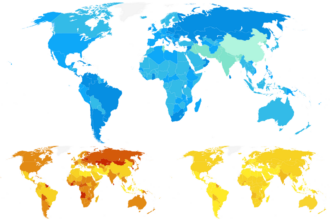
The structural relationship between commercial apitherapy claims and the evidentiary requirements they would need to meet. Figure from the commentary. Source: Georgian Medical Journal, Vol. 1 No. 2 (2026), DOI: 10.66636/gmj.v1.i2.a22.
The commentary is careful not to dismiss the underlying science — honey and bee-derived compounds do merit continued investigation. Its argument is about proportionality: when commercial narratives extend specifically into cardiovascular prevention claims, evidentiary transparency needs to match internationally recognised clinical standards — registered trials, peer-reviewed publication, declared sponsorship, and language proportional to what’s actually been shown. The authors frame this single case as the opening entry in what they describe as a sustained PHIG–GMJ evidence review series, meaning this analysis pattern will likely recur.
🗺️ Find certified Georgian healthcare providers: sheniekimi.ge — Georgia Health Map · 998 clinics · 6,600+ doctors · 2,296 pharmacies
Read the Original Research
Original article: Honey as Heart Medicine? What Happens When Marketing Outruns Evidence
Published in: Georgian Medical Journal, Vol. 1 No. 2 (2026)
DOI: 10.66636/gmj.v1.i2.a22
📄 Read the full article at gmj.ge →
Georgian Medical Journal (GMJ) · ISSN 3088-4322 · gmj.ge · Open Access CC BY 4.0 · Published by the Public Health Institute of Georgia (PHIG). This summary is an independent editorial product of GMJ News; for clinical decisions, consult the original peer-reviewed article and a qualified professional.
Was this article helpful?
Disclaimer. This article is health journalism intended for general information and education. It is not medical advice and is not a substitute for professional diagnosis or treatment. Always consult a qualified healthcare provider about your individual circumstances. Full disclaimer →
Related Coverage




Editorial standards. This article was produced under the GMJ News editorial process, with oversight by the GMJ Editorial Board. Our editorial process. Spotted an error? Contact the editorial team.