By using this site, you agree to the Privacy Policy and Terms of Use.
Accept
GMJ NewsGMJ NewsGMJ News
  • Latest News
    • GMJ Briefs
  • Podcast & Media
    • Podcast Episodes
    • GMJ Audio
    • GMJ Videos
  • Research Digest
    • New Studies
    • Georgian Research
    • Data & Numbers
  • Policy & Systems
    • Health Policy
    • Quality & Safety
    • Migration & Health
    • Global Health
  • Practice
    • Clinical Updates
    • Case Discussions
    • Pharmacy & Prescribing
    • Ingredients A-Z
  • Perspectives
    • Editorial
    • Explainers
    • Voices
    • Letters
  • Health Topics
    • Diabetes
    • Cancer
    • Cardiovascular
    • Mental Health
    • Vaccines
    • Migration & Health
    • Patient Safety & Accreditation
    • Occupational Safety and Health
  • GMJ Articles
    • Vol. 1 Issue 2 (2026)
    • Vol. 1 Issue 1 (2026)
    • Pre-Launch Articles (2025)
  • Read the Journal →
  • About GMJ News
Notification Show More
Font ResizerAa
GMJ NewsGMJ News
Font ResizerAa
  • Latest News
    • GMJ Briefs
  • Podcast & Media
    • Podcast Episodes
    • GMJ Audio
    • GMJ Videos
  • Research Digest
    • New Studies
    • Georgian Research
    • Data & Numbers
  • Policy & Systems
    • Health Policy
    • Quality & Safety
    • Migration & Health
    • Global Health
  • Practice
    • Clinical Updates
    • Case Discussions
    • Pharmacy & Prescribing
    • Ingredients A-Z
  • Perspectives
    • Editorial
    • Explainers
    • Voices
    • Letters
  • Health Topics
    • Diabetes
    • Cancer
    • Cardiovascular
    • Mental Health
    • Vaccines
    • Migration & Health
    • Patient Safety & Accreditation
    • Occupational Safety and Health
  • GMJ Articles
    • Vol. 1 Issue 2 (2026)
    • Vol. 1 Issue 1 (2026)
    • Pre-Launch Articles (2025)
  • Read the Journal →
  • About GMJ News
Follow US
GMJ News > Policy & Systems > Global Health > Hypertension in Bangladesh: wealth gap widens treatment divide, survey finds
Global HealthNew StudiesPolicy & SystemsResearch Digest

Hypertension in Bangladesh: wealth gap widens treatment divide, survey finds

GMJ
Last updated: 12/07/2026 13:29
By
GMJ Policy Desk
Share
9 Min Read
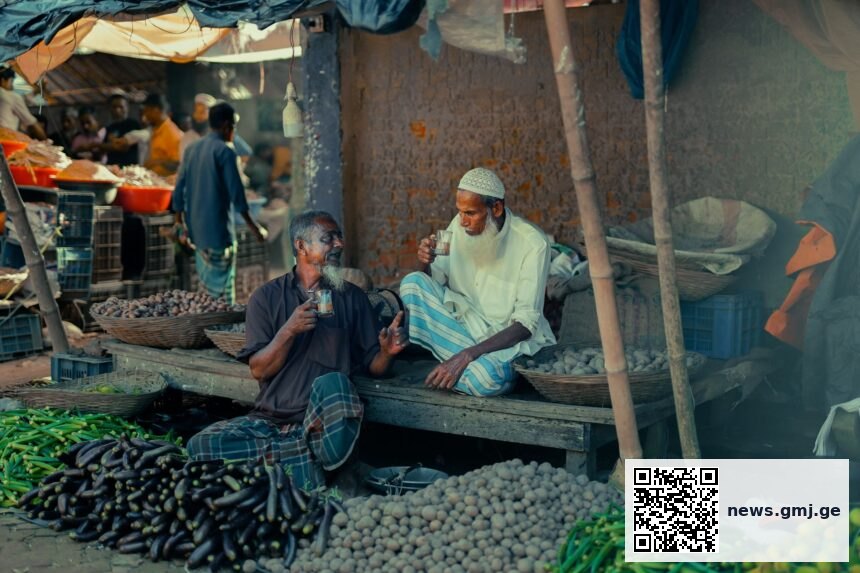
Bar chart showing hypertension diagnosis and treatment rates by wealth quintile in BangladeshIllustrative image · Photo by Mijanur Rahman Niloy on Pexels (Pexels License)
A nationally representative survey of 14,178 Bangladeshi adults reveals that wealthier populations are 2.3 times more likely to be diagnosed with hypertension, and the inequality persists through treatment and control stages. Only 44% of treated patients achieved blood pressure control. — Photo by Mijanur Rahman Niloy on Pexels (Pexels License)
SHARE
6 min read|1,112 words
✓ Reviewed by GMJ News Editorial Team

🟠 Moderate Evidence

Contents
    • Key takeaways
      • Study at a Glance
      • Hypertension care cascade by wealth quintile in Bangladesh
  • The diagnosis gap: who gets screened
  • Treatment access: the second barrier
  • Control remains elusive even among the treated
  • Implications for Bangladesh’s health system
    • What this means
  • Frequently asked questions
    • What defines hypertension in this study?
    • Why is the control rate so low (only 44%)?
    • Can the wealth gap be closed?

Hypertension remains one of Bangladesh’s leading non-communicable disease burdens, yet access to diagnosis and treatment is sharply stratified by wealth. A nationally representative survey of 14,178 adults reveals that wealthier Bangladeshis are 2.3 times more likely to be diagnosed with hypertension than poorer counterparts, and treatment gaps widen further along the care pathway, according to research published in PLOS Global Public Health by Dr. Md. Abdur Rafi and colleagues from the Bangladesh health research community.

Key takeaways

  • 22% of Bangladeshi adults have hypertension, but diagnosis rates are 2.3 times higher in wealthy populations than poor populations
  • Only 44% of treated patients achieve blood pressure control, with the poorest quintiles receiving less treatment overall
  • Socioeconomic inequality persists across the entire care cascade—from detection through control—suggesting systemic barriers to equitable hypertension management

Study at a Glance

Source PLOS Global Public Health
Study type Cross-sectional analysis of nationally representative survey data
Sample size N = 14,178 adults aged ≥18 years
Population Bangladesh Demographic and Health Survey (BDHS) 2022 participants
Country Bangladesh
2.3×
The magnitude of inequality: wealthier Bangladeshis are 2.3 times more likely to be diagnosed with hypertension than those in the poorest wealth quintile

Hypertension care cascade by wealth quintile in Bangladesh

Proportion advancing through diagnosis, treatment, and control stages, stratified by economic status. Data from BDHS 2022.

Richest quintile diagnosed
~85%
Richest quintile treated
~78%
Poorest quintile diagnosed
~45%
Poorest quintile treated
~32%

Source: PLOS Global Public Health, 2024 | Georgian Medical Journal News

Submit Your Paper
GMJ_Submit_Banner

The diagnosis gap: who gets screened

Among the 3,142 adults with hypertension in the survey, only 59% (1,863 individuals) had received a prior diagnosis. This aggregate figure masks a stark inequality: the BDHS 2022 analysis shows that wealthy individuals were significantly more likely to know their hypertension status. Using the Relative Index of Inequality (RII)—a standard epidemiological measure of socioeconomic disparity—the diagnosis gap yielded an RII of 2.33, meaning the richest populations had 2.33 times the odds of diagnosis compared with the poorest.

This disparity likely reflects unequal access to healthcare infrastructure and screening programmes in Bangladesh. Wealthier households have greater capacity to afford primary care visits, blood pressure monitoring, and preventive health checks, while lower-income populations may access healthcare only when symptomatic, missing opportunities for early detection.

Treatment access: the second barrier

The second step in the care cascade—treatment initiation—revealed even steeper inequality. Among the 1,863 diagnosed individuals, 72.5% (1,350 people) reported receiving antihypertensive medication. However, treatment access was strongly patterned by wealth, with the study authors reporting a Relative Index of Inequality of 2.56 for treatment—meaning the richest quintile had 2.56 times the odds of accessing treatment compared with the poorest quintile.

Cost of medications, availability of affordable generics, and distance to pharmacies are likely drivers. Bangladesh has made progress in antihypertensive drug availability through its Essential Medicines List, yet private and out-of-pocket costs remain substantial barriers for low-income populations. The World Health Organization estimates that approximately 46% of adults with hypertension globally are aware of their condition, but treatment rates drop sharply in lower-income countries, consistent with the Bangladesh findings.

Control remains elusive even among the treated

The final stage—blood pressure control among those treated—revealed the most sobering statistic: only 44% of treated patients (594 of 1,350) achieved systolic blood pressure <140 mmHg and diastolic <90 mmHg at survey measurement. The PLOS Global Public Health report indicates this low control rate reflects both inadequate medication efficacy and adherence challenges. Socioeconomic inequality persisted at this stage as well: the Concentration Index (CnI) for control was 0.18, indicating a pro-rich distribution favouring wealthier treated patients.

Additional analysis identified key clinical correlates. Older age (adjusted odds ratio [aOR] 12.5 for age ≥60 years), female sex (aOR 1.57), overweight status (aOR 3.41), obesity (aOR 5.45), and type 2 diabetes mellitus (aOR 2.20) were all independently associated with higher hypertension prevalence. These factors did not fully explain the wealth gradient, suggesting that structural and health-system factors—not just underlying disease burden—drive the observed inequalities. Read more on GMJ News’s Global Health coverage.

Only 44% of hypertensive Bangladeshis on treatment achieved blood pressure control, with wealthier patients twice as likely to reach target blood pressure as poorer counterparts—evidence of a systemic care gap that extends throughout the treatment pathway.

— Dr. Md. Abdur Rafi and colleagues, Bangladesh health research community (PLOS Global Public Health, 2024)

Implications for Bangladesh’s health system

Bangladesh has prioritized hypertension control as part of its non-communicable disease strategy, including awareness campaigns and Essential Medicines List inclusion. However, this nationally representative evidence reveals that awareness alone is insufficient; structural barriers to equitable diagnosis and treatment persist. The Health Policy landscape requires targeted investment in community health worker screening, subsidized medication access for low-income populations, and integrated primary care pathways that reduce out-of-pocket costs.

What this means

For patients: If you are from a lower-income household, proactively seek blood pressure screening through community health centres, which may offer free or subsidized services. Medication adherence is critical—missing doses significantly reduces control rates. Ask healthcare providers about generic antihypertensive options to reduce costs.
For clinicians: Screen aggressively across all socioeconomic strata, not just high-risk or wealthy populations. Consider simplified, fixed-dose combination regimens to improve adherence, particularly among lower-income patients. Monitor control at regular intervals and adjust therapy proactively; the low control rate suggests current approaches require intensification.
For policymakers: Expand subsidized antihypertensive drug access, particularly for low-income quintiles. Strengthen community health worker training in blood pressure screening and referral. Remove out-of-pocket barriers through health insurance schemes or direct medication provision. Monitor equity indicators across the care cascade regularly using nationally representative surveys.

Frequently asked questions

What defines hypertension in this study?

According to the BDHS 2022 analysis, hypertension was defined as systolic blood pressure ≥140 mmHg, diastolic blood pressure ≥90 mmHg, or previous diagnosis of high blood pressure. This aligns with standard clinical definitions used globally.

Why is the control rate so low (only 44%)?

Low control rates in resource-limited settings stem from multiple factors: inadequate medication access, poor adherence due to side effects or cost, insufficient follow-up monitoring, and suboptimal medication titration. The Bangladesh study suggests systemic gaps in treatment intensification and patient support.

Can the wealth gap be closed?

Yes, but it requires structural intervention. Countries including Sri Lanka and Iran have reduced hypertension inequality through subsidized medications, task-shifting to community health workers, and community screening programmes. Bangladesh’s health system has the platform to implement similar equity-focused strategies.

This nationally representative evidence identifies a critical bottleneck in Bangladesh’s hypertension care system: even among those diagnosed and treated, control remains suboptimal, particularly for lower-income populations. Without targeted policy and health system reforms—including medication subsidy, equitable screening access, and intensified follow-up—the burden of uncontrolled hypertension will continue to disproportionately affect poorer Bangladeshis, widening health inequities and driving cardiovascular disease mortality.

Source: Socio-economic inequalities in hypertension prevalence and care cascade in Bangladesh: Insights from a nationally representative survey

Was this article helpful?

Disclaimer. This article is health journalism intended for general information and education. It is not medical advice and is not a substitute for professional diagnosis or treatment. Always consult a qualified healthcare provider about your individual circumstances. Full disclaimer →

Related Coverage

Tea Type Dramatically Alters Kombucha's Chemistry and Antioxidant Power, Study FindsAug 8, 2026
Controversial COVID-19 Vaccine Study Published After CDC Journal RejectionAug 8, 2026
WHO calls for urgent expansion of newborn screening to prevent 8 million annual birth defectsAug 8, 2026
The Sandwich Generation: When Adult Children Become Caregivers for Aging ParentsAug 8, 2026
Explore more on this topic:🧭 Hypertension hub
🔥 Most read this week
1Creatine Kidney Damage Myth Debunked by Major Safety Review of 26,000 Participants
2Why High-Dose Vitamin B12 Supplements Work Despite Poor Absorption
3Magnesium Form May Not Matter for Cognitive Benefits, New Meta-Analysis Suggests
4Magnesium Supplements: Marketing Claims vs Scientific Evidence
Related reference
  • Type 2 Diabetes · Condition
  • Hypertension · Condition
  • Obesity · Condition
PG
Editorial oversight
Prof. Giorgi Pkhakadze, MD, MPH, PhD
Editor-in-Chief, GMJ News
Full profile →  ·  ORCID 0000-0001-7609-4515
Medical disclaimer. This article is health journalism intended for general information. It is not medical advice and is not a substitute for consultation with a qualified healthcare professional. Always seek your physician's advice regarding any medical condition.
Editorial standards. This article was produced under the GMJ News editorial process, with oversight by the GMJ Editorial Board. Our editorial process. Spotted an error? Contact the editorial team.

Get the GMJ News digest
Evidence-based health journalism in your inbox. No spam; unsubscribe anytime.
📬 GMJ Health Digest
Evidence-based medical news, once a week. Free, no spam, unsubscribe anytime.
TAGGED:BangladeshBDHS 2022hypertensionNCDsocioeconomic inequality
Share This Article
Facebook LinkedIn Bluesky Copy Link Print
GMJ
ByGMJ Policy Desk
Follow:
GMJ Policy Desk is part of GMJ News, the newsroom of the Georgian Medical Journal (gmj.ge), published by the Public Health Institute of Georgia. Every article is editorially reviewed before publication.
Leave a Comment Leave a Comment

Leave a Reply Cancel reply

Your email address will not be published. Required fields are marked *

Submit Your Paper →

Georgia's peer-reviewed open-access medical journal. No APC until January 2027.
Submit Manuscript →
Tea Type Dramatically Alters Kombucha’s Chemistry and Antioxidant Power, Study Finds

Scientists have discovered that kombucha's antioxidant activity, flavor, and chemical composition vary…

Controversial COVID-19 Vaccine Study Published After CDC Journal Rejection

A study on COVID-19 vaccine effectiveness rejected by a government health journal…

WHO calls for urgent expansion of newborn screening to prevent 8 million annual birth defects

The World Health Organization has released a major report calling on countries…

Submit Your Paper to GMJ

No APC until January 2027.
Submit Manuscript →

You Might Also Like

Illustration of strength training exercise with brain neural networks overlayIllustrative image · Photo by Yan Krukau on Pexels (Pexels License)
Clinical UpdatesNew StudiesPracticeResearch Digest

Resistance Training 2–3 Times Weekly Reduces Brain Age, Randomized Trial Shows

By
GMJ Practice Desk
23/07/2026
American Diabetes Association annual convention with attendees and medical professionalsIllustrative image · "President Trump Delivers Remarks on Protecting Seniors with Diabetes" by The White House is marked with Public Domain Mark 1.0. To view the terms, visit https://creativecommons.org/publicdomain/mark/1.0/. (Public Domain Mark)
Health PolicyPolicy & Systems

American Diabetes Association CEO Apologizes After Members Expelled from Annual Convention

By
GMJ Policy Desk
26/06/2026
UK pharmaceutical regulation document showing medicine broker oversight frameworkPhoto by SHVETS production on Pexels (Pexels License)
Policy & SystemsQuality & Safety

UK Medicine Broker Registry Updated to Strengthen Drug Supply Chain Oversight

By
GMJ Policy Desk
13/06/2026
Brain imaging comparison showing accelerated aging in polluted urban environments versus protected rural areasIllustrative image · Photo by AI25.Studio AI GENERATIVE on Pexels (Pexels License)
New StudiesResearch Digest

Genetic-Environmental Interactions Accelerate Brain Aging in Latin America

By
GMJ Research Desk
14/06/2026
Facebook Twitter Youtube Instagram
Company
  • Privacy Policy
  • Contact US
  • GMJ Journal
  • Submit Manuscript
  • Editorial Team
  • Register at GMJ
  • Terms of Use

Subscribe to GMJ News — Click here

Join Community
© 2026 Georgian Medical Journal (GMJ). Published by the Public Health Institute of Georgia (PHIG). All rights reserved.
Welcome Back!

Sign in to your account

Username or Email Address
Password

Lost your password?

Not a member? Sign Up