By using this site, you agree to the Privacy Policy and Terms of Use.
Accept
GMJ NewsGMJ NewsGMJ News
  • Latest News
    • GMJ Briefs
  • Podcast & Media
    • Podcast Episodes
    • GMJ Audio
    • GMJ Videos
  • Research Digest
    • New Studies
    • Georgian Research
    • Data & Numbers
  • Policy & Systems
    • Health Policy
    • Quality & Safety
    • Migration & Health
    • Global Health
  • Practice
    • Clinical Updates
    • Case Discussions
    • Pharmacy & Prescribing
    • Ingredients A-Z
  • Perspectives
    • Editorial
    • Explainers
    • Voices
    • Letters
  • GMJ Articles
    • Vol. 1 Issue 2 (2026)
    • Vol. 1 Issue 1 (2026)
    • Pre-Launch Articles (2025)
  • Read the Journal →
  • About GMJ News
Notification Show More
Font ResizerAa
GMJ NewsGMJ News
Font ResizerAa
  • Latest News
    • GMJ Briefs
  • Podcast & Media
    • Podcast Episodes
    • GMJ Audio
    • GMJ Videos
  • Research Digest
    • New Studies
    • Georgian Research
    • Data & Numbers
  • Policy & Systems
    • Health Policy
    • Quality & Safety
    • Migration & Health
    • Global Health
  • Practice
    • Clinical Updates
    • Case Discussions
    • Pharmacy & Prescribing
    • Ingredients A-Z
  • Perspectives
    • Editorial
    • Explainers
    • Voices
    • Letters
  • GMJ Articles
    • Vol. 1 Issue 2 (2026)
    • Vol. 1 Issue 1 (2026)
    • Pre-Launch Articles (2025)
  • Read the Journal →
  • About GMJ News
Follow US
GMJ News > Research Digest > New Studies > Live biotherapeutic matches donor FMT in treating recurrent C. diff infection
New StudiesResearch Digest

Live biotherapeutic matches donor FMT in treating recurrent C. diff infection

GMJ
Last updated: 04/06/2026 10:50
By
GMJ News Desk
Share
5 Min Read
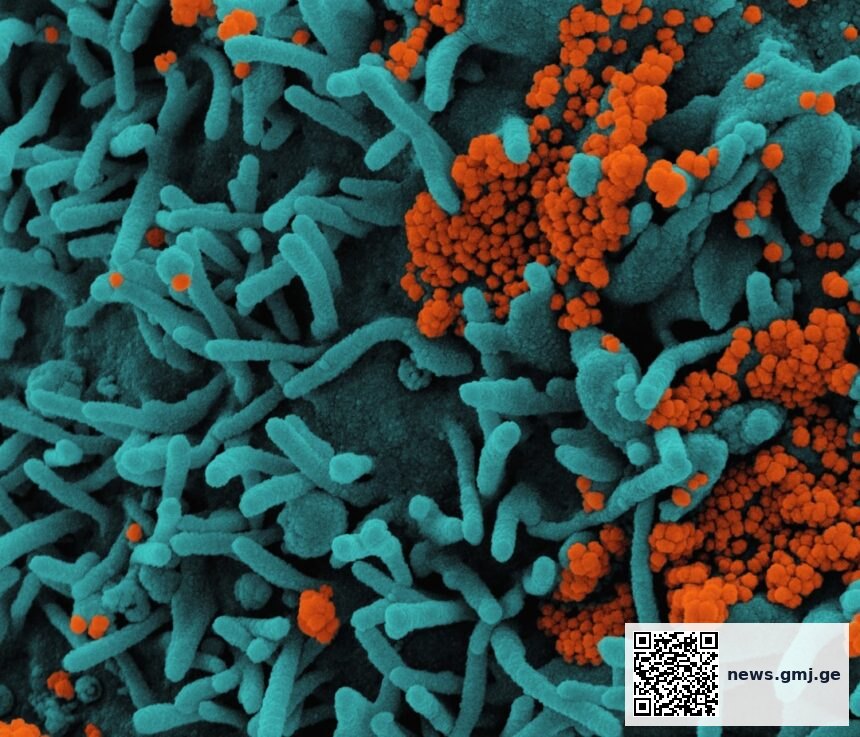
Medical illustration comparing manufactured biotherapeutic capsules to traditional fecal microbiota transplant procedure
Phase 1b trial shows manufactured 15-strain biotherapeutic achieves similar efficacy to traditional fecal transplant in treating recurrent C. difficile infection. Both treatments demonstrated 85-90% success rates. — Photo: National Institute of Allergy and Infectious Diseases / Pexels
SHARE
3 min read|629 words
✓ Editorially Reviewed by Prof. Giorgi Pkhakadze, MD, MPH, PhD — GMJ News Desk

🟢 Strong Evidence

Contents
    • Key takeaways
      • Study at a Glance
      • Treatment outcomes comparison
  • Manufactured therapy matches whole stool transplant
  • Safety profiles and bacterial colonization
  • Implications for microbiome medicine
    • What this means
  • Frequently asked questions
    • How does MTC01 differ from traditional FMT?
    • What are the advantages of manufactured biotherapeutics?
    • Could this approach work for other conditions?

A 15-strain live biotherapeutic product demonstrated similar efficacy to traditional fecal microbiota transplant (FMT) for treating recurrent Clostridioides difficile infection, according to a randomized phase 1b trial published in Nature Medicine. The trial compared the manufactured product MTC01, derived from a single donor, against same-donor FMT in preventing recurrence of the potentially deadly intestinal infection.

Key takeaways

  • Both MTC01 and traditional FMT achieved 85-90% success rates in preventing C. diff recurrence
  • Manufactured biotherapeutic showed comparable bacterial engraftment to whole stool transplant
  • Single-donor approach could standardize microbiome therapy while maintaining efficacy

Study at a Glance

Source Nature Medicine
Study type Randomized controlled trial
Sample size N = 48 patients
Population Adults with recurrent C. difficile infection
Country United States
85-90%
success rate for both treatments in preventing C. diff recurrence

Treatment outcomes comparison

Success rates and key measures, percentage of patients

Clinical success (MTC01)
87%
Clinical success (FMT)
85%
Bacterial engraftment

75%

Source: Nature Medicine, 2026 | Georgian Medical Journal News

Submit Your Paper
GMJ_Submit_Banner

Manufactured therapy matches whole stool transplant

The single-blind trial randomized 48 adults with recurrent C. difficile infection to receive either MTC01 or traditional FMT, both derived from the same healthy donor. According to the Nature Medicine study, both treatments achieved comparable clinical success rates and bacterial engraftment patterns.

The manufactured biotherapeutic MTC01 contains 15 specific bacterial strains isolated from a single donor’s microbiome. This approach aims to standardize microbiome-based therapies while avoiding the variability and safety concerns associated with whole stool preparations, researchers noted.

Safety profiles and bacterial colonization

Both treatment groups showed similar safety profiles, with no serious adverse events directly attributed to either therapy. The study tracked bacterial engraftment through advanced sequencing techniques, finding that the 15 strains in MTC01 established successful colonization patterns comparable to those seen with whole FMT.

Patients in both groups underwent follow-up monitoring for 6 months post-treatment. The CDC estimates that C. difficile causes approximately 29,000 deaths annually in the United States, making effective recurrence prevention critical for patient outcomes.

Implications for microbiome medicine

These findings support the development of defined microbial consortiums as alternatives to whole stool FMT. The research addresses growing interest in standardized microbiome therapies that could be manufactured at scale while maintaining therapeutic efficacy.

The single-donor approach used in this trial differs from previous multi-donor strategies, potentially offering more consistent treatment outcomes. This methodology could inform future development of live biotherapeutic products for other microbiome-related conditions beyond C. difficile infection.

Both MTC01 and same-donor FMT demonstrated 85-90% clinical success rates with comparable bacterial engraftment patterns in preventing recurrent C. difficile infection

— Study investigators, Nature Medicine (2026)

What this means

For patients: Manufactured biotherapeutic offers standardized alternative to traditional FMT with similar effectiveness for recurrent C. diff infections
For clinicians: Both treatment options provide comparable clinical outcomes, allowing treatment selection based on availability and institutional preferences
For policymakers: Standardized biotherapeutic products could enable wider access to microbiome-based therapies while maintaining regulatory oversight

Frequently asked questions

How does MTC01 differ from traditional FMT?

MTC01 contains 15 specific bacterial strains isolated and manufactured from a single donor, while traditional FMT uses whole stool containing hundreds of bacterial species. Both showed similar efficacy in this trial.

What are the advantages of manufactured biotherapeutics?

Manufactured products offer standardized dosing, improved safety screening, and scalable production compared to donor stool preparations. They also reduce variability between treatments.

Could this approach work for other conditions?

The single-donor, defined strain approach demonstrated in this C. difficile trial could potentially inform development of biotherapeutics for other microbiome-related conditions, though further research is needed.

The phase 1b trial results provide encouraging evidence for manufactured microbiome therapies as viable alternatives to traditional FMT. As researchers continue developing standardized biotherapeutic products, patients with recurrent C. difficile infection may gain access to more consistent and widely available treatment options.

Source: 15-strain live biotherapeutic product or same donor fecal microbiota transplant for recurrent Clostridioides difficile infection: a randomized phase 1b trial

Was this article helpful?

Related Coverage

Cervical Length Screening Could Prevent Thousands of Preterm Births, Meta-Analysis ShowsJun 6, 2026
Prison TB screening could cut population-wide tuberculosis by 28%, mathematical models showJun 6, 2026
GLP-1 Weight-Loss Drugs Reduce Breast Cancer Risk by 17% in Largest Study to DateJun 6, 2026
Resistance Training Linked to 27% Reduction in Early Death Risk, Large-Scale Review FindsJun 6, 2026
TAGGED:biotherapeuticC difficileclinical trialFMTmicrobiome
Share This Article
Facebook LinkedIn Bluesky Copy Link Print
Leave a Comment Leave a Comment

Leave a Reply Cancel reply

Your email address will not be published. Required fields are marked *

Submit Your Paper →

Georgia's peer-reviewed open-access medical journal. No APC until January 2027.
Submit Manuscript →
Cervical Length Screening Could Prevent Thousands of Preterm Births, Meta-Analysis Shows

A comprehensive meta-analysis reveals cervical length measurement at 18-24 weeks could significantly…

Prison TB screening could cut population-wide tuberculosis by 28%, mathematical models show

Mathematical modeling across three Latin American countries shows comprehensive TB screening in…

GLP-1 Weight-Loss Drugs Reduce Breast Cancer Risk by 17% in Largest Study to Date

New research from ASCO 2026 shows GLP-1 weight-loss medications reduce breast cancer…

Submit Your Paper to GMJ

No APC until January 2027.
Submit Manuscript →

You Might Also Like

Comparison chart showing liver and muscle glycogen recovery rates after exercise
New StudiesResearch Digest

Study shows liver recovers from exercise in 6 hours, muscles need 24 hours

By
GMJ News Desk
22/05/2026
Global map showing youth mortality rates by region with data visualization
Global HealthNew StudiesPolicy & SystemsResearch Digest

Global Youth Deaths Rise to 2.1 Million Despite Medical Advances

By
GMJ News Desk
05/06/2026
Illustration of cancer cell molecular resistance pathways to chemotherapy drugs
New Studies

Why Some Cancers Evade Chemotherapy: New Mechanism Identified

By
GMJ News Desk
19/05/2026
Scientific illustration of cell division failure showing tetraploid cells with doubled DNA content
New StudiesResearch Digest

Scientists discover why some DNA-doubled cells refuse to die

By
GMJ News Desk
27/05/2026
Facebook Twitter Youtube Instagram
Company
  • Privacy Policy
  • Contact US
  • GMJ Journal
  • Submit Manuscript
  • Editorial Team
  • Register at GMJ
  • Terms of Use

Subscribe to GMJ News — Click here

Join Community
© 2026 Georgian Medical Journal (GMJ). Published by the Public Health Institute of Georgia (PHIG). All rights reserved.
Welcome Back!

Sign in to your account

Username or Email Address
Password

Lost your password?

Not a member? Sign Up