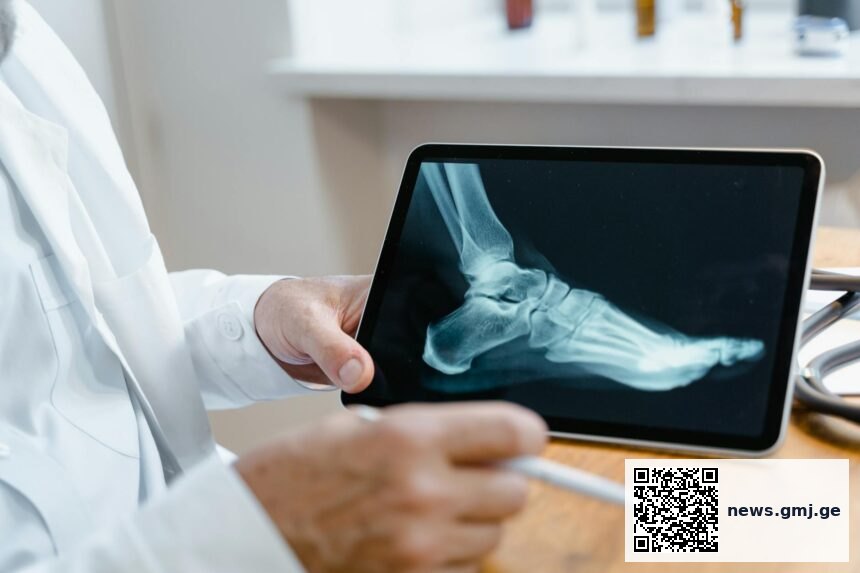
A comprehensive analysis published in Nature Reviews Disease Primers reveals significant advances in understanding osteomyelitis, a severe bacterial bone infection that affects millions globally. The review highlights emerging diagnostic techniques and refined treatment protocols that could improve outcomes for patients facing this challenging condition.
Osteomyelitis incidence by patient population
Cases per 100,000 population annually, various risk groups
Source: Nature Reviews Disease Primers, 2026 | Georgian Medical Journal News
Bacterial pathogens drive complex bone destruction
The Nature Reviews Disease Primers analysis details how osteomyelitis primarily results from bacterial invasion of bone tissue, with Staphylococcus aureus accounting for the majority of cases. The infection triggers a cascade of inflammatory responses that can lead to bone necrosis and chronic disability if not promptly treated.

According to the Centers for Disease Control and Prevention, methicillin-resistant Staphylococcus aureus (MRSA) infections represent an increasingly concerning subset of osteomyelitis cases. The pathophysiology involves bacterial biofilm formation that protects pathogens from both immune responses and antibiotic penetration, making treatment particularly challenging.
The review emphasizes how bacterial toxins and inflammatory mediators disrupt normal bone metabolism, leading to areas of dead bone tissue called sequestra. This process can persist for months or years, requiring aggressive surgical and medical intervention. For more insights on bone health research, see our latest studies section.
Advanced imaging transforms diagnostic accuracy
Modern diagnostic approaches combine clinical assessment with sophisticated imaging techniques, according to the Nature Reviews analysis. Magnetic resonance imaging (MRI) has emerged as the gold standard for early detection, offering superior soft tissue contrast compared to traditional X-rays or CT scans.
According to the Radiological Society of North America, MRI can detect osteomyelitis within 24-48 hours of onset, significantly earlier than conventional radiography. Bone biopsy with microbiological culture remains essential for pathogen identification and antibiotic susceptibility testing, particularly in chronic cases.
Nuclear medicine techniques, including technetium bone scans and white blood cell scintigraphy, provide functional information about infection activity. The review highlights how combining multiple imaging modalities improves diagnostic confidence and treatment planning accuracy.
Antibiotic therapy requires extended duration
Treatment protocols typically involve 4-6 weeks of targeted antibiotic therapy, often beginning with intravenous administration followed by oral continuation. The Nature Reviews analysis emphasizes that premature discontinuation of antibiotics represents a major risk factor for treatment failure and chronic infection development.
According to guidelines from the Infectious Diseases Society of America, initial empirical therapy should cover common gram-positive pathogens while awaiting culture results. Surgical debridement may be necessary in cases involving dead bone tissue or prosthetic devices.
The review notes that patient compliance with prolonged antibiotic courses remains challenging, particularly given potential side effects and the extended treatment duration required for cure. Monitoring for hepatotoxicity, nephrotoxicity, and other adverse effects is essential throughout therapy.
Quality of life impacts extend beyond infection
Chronic osteomyelitis significantly affects patient quality of life through persistent pain, functional disability, and psychological distress. The Nature Reviews analysis documents how repeated hospitalizations and surgical procedures create substantial social and economic burdens for affected individuals and families.
The psychological impact includes anxiety about recurrence, depression related to chronic pain, and social isolation due to mobility limitations. Comprehensive care approaches should address both medical and psychosocial aspects of the condition. Healthcare providers can find more clinical guidance in our clinical updates section.
Early MRI detection within 24-48 hours of symptom onset, combined with prompt initiation of targeted antibiotic therapy, significantly improves long-term outcomes and reduces the risk of chronic osteomyelitis development.
— Nature Reviews Disease Primers research team, Nature Publishing Group (Nature Reviews Disease Primers, 2026)
Key takeaways
- Osteomyelitis affects 2-5% of bone infections, with diabetic patients showing the highest incidence rates at 24.4 cases per 100,000 population
- MRI imaging can detect bone infection within 24-48 hours, significantly earlier than conventional X-ray diagnosis
- Treatment requires 4-6 weeks of antibiotic therapy, with surgical intervention often necessary for chronic cases
- Early recognition and prompt treatment are essential for preventing progression to chronic disability
Frequently asked questions
What are the early signs of osteomyelitis?
Early symptoms include localized bone pain, fever, swelling, and tenderness over the affected area. In children, reluctance to use an affected limb may be the first noticeable sign.
How long does osteomyelitis treatment take?
Treatment typically requires 4-6 weeks of antibiotic therapy, often starting with intravenous antibiotics for 1-2 weeks followed by oral medication. Chronic cases may require longer treatment periods.
Can osteomyelitis be completely cured?
Yes, acute osteomyelitis can be completely cured with prompt diagnosis and appropriate antibiotic treatment. However, chronic cases may require surgical intervention and have a higher risk of recurrence.
The comprehensive Nature Reviews Disease Primers analysis represents a significant contribution to understanding osteomyelitis pathophysiology and management strategies. As diagnostic imaging continues to advance and antibiotic stewardship programs evolve, clinicians will have improved tools for managing this challenging infection. The emphasis on early detection and comprehensive care approaches offers hope for better patient outcomes and reduced long-term disability associated with bone infections.
Source: Osteomyelitis – Nature Reviews Disease Primers
Was this article helpful?
Disclaimer. This article is health journalism intended for general information and education. It is not medical advice and is not a substitute for professional diagnosis or treatment. Always consult a qualified healthcare provider about your individual circumstances. Full disclaimer →
Related Coverage



Editorial standards. This article was produced under the GMJ News editorial process, with oversight by the GMJ Editorial Board. Our editorial process. Spotted an error? Contact the editorial team.