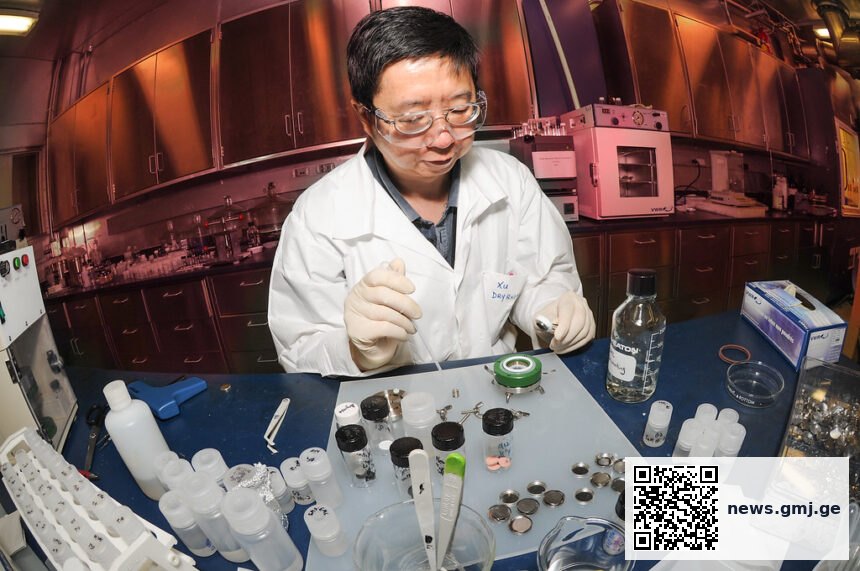
Health ministers and officials across the Americas have jointly reaffirmed their commitment to the One Health approach, a integrated strategy that recognizes the interconnection between human, animal, and environmental health. The declaration, released by the Pan American Health Organization (PAHO) on 6 July 2026, signals renewed regional focus on preventing zoonotic diseases and antimicrobial resistance—two of the fastest-growing health threats in the Western Hemisphere.
Key takeaways
- Pan-American health leaders jointly committed to One Health integration across human, animal, and environmental sectors
- One Health approach addresses zoonotic diseases and antimicrobial resistance, major emerging threats in the Americas
- Declaration emphasizes cross-sector collaboration and evidence-based surveillance systems
- Implementation includes strengthened laboratory networks and rapid disease reporting mechanisms
One Health Framework: Three Interconnected Systems
Integrated approach to disease prevention and health security in the Americas
Source: PAHO One Health Assessment, 2026 | Georgian Medical Journal News
Unified Response to Zoonotic Disease Threats
The Pan American Health Organization, the regional office of the World Health Organization for the Americas, emphasized in the joint declaration that approximately 73 per cent of emerging infectious diseases globally originate from animals. The Americas face particular vulnerability to such threats given the region’s biodiversity, agricultural practices, and urbanization patterns.

The declaration commits member states to strengthen surveillance systems that monitor disease patterns across veterinary, human, and environmental health sectors simultaneously. This integrated approach moves beyond traditional siloed disease tracking, enabling faster detection of pathogens before they spread widely. Health policy frameworks across the region will now mandate cross-sector reporting protocols.
Addressing Antimicrobial Resistance Through Coordinated Action
Antimicrobial resistance (AMR) represents one of the most pressing public health crises in the Americas, driven partly by inappropriate antibiotic use in both human and animal healthcare. The joint declaration establishes baseline commitments for monitoring antibiotic use patterns across agricultural, veterinary, and clinical settings—a critical step for reducing resistance emergence.
The PAHO has prioritized development of regional laboratory networks to standardize resistance testing and enable rapid data sharing. Member states agreed to align their national antimicrobial stewardship programs with WHO guidelines, creating consistency across the region. This approach reflects emerging consensus documented in recent clinical updates and global health surveillance literature.
The One Health approach, integrating human, animal, and environmental health systems, is essential to prevent 73 per cent of emerging infectious diseases that originate from animals and contain antimicrobial resistance spread.
— Pan American Health Organization (Joint Declaration, 6 July 2026)
Strengthening Regional Surveillance Infrastructure
Implementation of the declaration requires member states to invest in laboratory capacity, real-time data systems, and trained personnel capable of conducting cross-sector investigations. The PAHO announced technical support packages for countries to establish integrated surveillance platforms and will coordinate quarterly reviews of progress toward key performance indicators.
Participating nations committed to completing joint training exercises for veterinarians, physicians, and environmental health specialists by the end of 2027. This workforce development acknowledges that One Health implementation depends on professionals capable of thinking across traditional disciplinary boundaries. Regional coordination mechanisms will enable rapid information exchange when disease threats emerge.
Implications for Health Systems and Public Health Practice
What this means
Frequently asked questions
What is the One Health approach?
One Health is an integrated strategy recognizing that human health, animal health, and environmental health are interconnected. According to the PAHO, this approach enables earlier detection of zoonotic diseases—infections that spread from animals to humans—by monitoring disease patterns across all three sectors simultaneously rather than in isolation.
Why is antimicrobial resistance a One Health concern?
Antibiotic resistance develops in animal populations through agricultural use, enters human populations through food chains and direct contact, and spreads through environmental pathways including water systems. The PAHO emphasizes that combating AMR requires coordinated restrictions on antibiotic use across veterinary and human medicine simultaneously.
How will the declaration be implemented?
Member states will strengthen laboratory networks, align national antimicrobial stewardship programs with WHO standards, and conduct joint training for cross-sector health professionals. The PAHO will provide technical support and coordinate quarterly progress reviews through 2027.
The Pan American commitment to One Health integration represents a critical step toward building health security resilience across the Western Hemisphere. As zoonotic diseases and antibiotic-resistant pathogens continue to pose escalating threats, the coordination mechanisms established through this declaration may serve as a model for other regions seeking to align human, animal, and environmental health surveillance systems. Success will depend on sustained political commitment and adequate funding for cross-sector infrastructure development over the coming years.
Source: Declaración conjunta reafirma el compromiso con Una Sola Salud en las Américas, Pan American Health Organization, 6 July 2026
Was this article helpful?
Disclaimer. This article is health journalism intended for general information and education. It is not medical advice and is not a substitute for professional diagnosis or treatment. Always consult a qualified healthcare provider about your individual circumstances. Full disclaimer →
Related Coverage



Editorial standards. This article was produced under the GMJ News editorial process, with oversight by the GMJ Editorial Board. Our editorial process. Spotted an error? Contact the editorial team.