


Tag: micronutrients

Beyond the Vitamin List: How Nutrients Work as Interconnected Biological Systems
Conventional nutrition presents vitamins and minerals as isolated nutrients, but biochemical evidence shows they function as interconnected metabolic circuits. Understanding…

How B Vitamins and Micronutrients Power the Brain’s Energy System
The brain consumes 20% of adult body energy—up to 50% in children—demanding constant B-vitamin and micronutrient supply. Deficiencies in B12,…

How Vitamins and Minerals Power Brain Chemistry: The Neurotransmitter Connection
Vitamins B6, B12, folate, and minerals including zinc, magnesium, and iron function as essential cofactors in neurotransmitter synthesis and metabolism.…

Zinc depletion in athletes: why the standard RDA falls short during training
The human body stores only ~2 grams of zinc with no physiological reserve. Athletes engaged in intense training lose 20–40%…

Vitamin K’s Hidden Hierarchy: Why Your Body Prioritises Blood Clotting Over Bone Health
Current vitamin K dietary guidelines prioritise blood clotting at the expense of bone and arterial health, leaving proteins critical for…
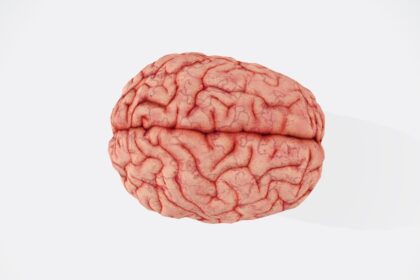
How B Vitamins and Micronutrients Protect Brain Function: Evidence from Neuroscience
B vitamins regulate homocysteine, fuel mitochondrial energy production, and synthesize mood-regulating neurotransmitters—three mechanisms critical for cognitive protection. Evidence shows that…

Thyroid Health Requires Nutritional Balance: Why Iodine, Selenium, and Tyrosine Work as a System
Thyroid hormone synthesis and regulation depend on iodine (structural backbone), selenium (enzyme cofactor for activation and antioxidant protection), and tyrosine…

How B vitamins and minerals power your cells: the science of micronutrient-driven energy
B vitamins and minerals are catalytic cofactors and coenzymes in the three metabolic pathways that generate ATP energy. Deficiency in…