


Tag: supplementation
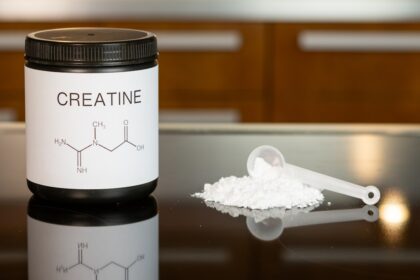
Why creatine works in muscle but not the brain—yet
Creatine supplementation raises muscle creatine by 20–50% in days, but brain creatine increases by only 4% due to the blood–brain…

PQQ Shows Consistent Benefits for Inflammation, Energy, and Memory in Human Trials
Human clinical studies document consistent benefits of pyrroloquinoline quinone (PQQ) supplementation on inflammation, energy metabolism, and memory—with effects emerging at…

Magnesium and Heart Disease: What the Evidence Actually Shows
A meta-analysis of 40 population studies involving over one million people found no evidence that magnesium prevents overall cardiovascular disease,…

The B-Vitamin Methylation Triad: Why B12, Folate, and B6 Work Together
Vitamins B12, folate, and B6 function as an integrated metabolic system regulating one-carbon metabolism, DNA synthesis, and cardiovascular health. While…

Vitamin C Does Not Boost Immunity—It Regenerates the Cells That Kill Pathogens
Vitamin C does not stimulate immunity—it regenerates the antioxidant defences of neutrophils, allowing immune cells to function across multiple pathogen…

Vitamin D dose response is not linear: Why shelf-picked supplements may not work as expected
Vitamin D supplements do not work the same way for everyone. Research shows that doubling your dose does not double…

Vitamin B12 Requirements Increase with Age: New Guidelines for Older Adults
New research highlights the critical importance of vitamin B12 for older adults, who may require higher amounts due to decreased…

Why Your Vitamin D Dose May Be Wrong: New Research Reveals Flawed Shelf-Based Selection
New research reveals why selecting vitamin D supplements from store shelves leads to ineffective dosing. The dose-response relationship is curvilinear,…