


Ayurveda
GMJ News knowledge hub · last reviewed October 2026 · Georgian Medical Journal
SummaryStatisticsGlossaryGMJ newsFAQDocumentsOrganizationsResearch
Ayurveda — the “science of life”, an ancient Indian medical system codified in texts dating to approximately 1500 BCE (Charaka Samhita, Sushruta Samhita) — is used by an estimated 800 million people globally, government-supported through India’s Ministry of AYUSH, and increasingly researched scientifically: ashwagandha (Withania somnifera) has Grade B evidence for stress and cortisol reduction from multiple small RCTs; Bacopa monnieri has modest evidence for cognitive function; Boswellia serrata has emerging anti-inflammatory evidence for knee osteoarthritis — yet the system faces a serious and under-acknowledged safety issue: approximately 20% of commercial Ayurvedic products contain detectable lead, mercury or arsenic above safe thresholds, and a sub-tradition called Rasa Shastra intentionally incorporates processed metal compounds (calcined mercury, arsenic, lead) on the basis of traditional purification processes not validated by modern toxicology (WHO TCIM).
Key messages
800M users globally — the largest traditional medicine system
Ayurveda is practised by an estimated 800 million people primarily in South Asia, and is government-supported through India's Ministry of AYUSH (Ayurveda, Yoga & Naturopathy, Unani, Siddha and Homeopathy). It is the world's largest traditional medicine system by user numbers.
Heavy metal contamination — the most serious safety concern
Approximately 20% of commercial Ayurvedic products contain detectable lead, mercury or arsenic at levels exceeding regulatory safety thresholds (Saper et al., JAMA 2004, 2008). The Rasa Shastra sub-tradition intentionally incorporates processed metal compounds (calcined mercury — Makaradhwaja; arsenic compounds; lead — Naga Bhasma) on the basis of traditional purification processes. These purification methods are not validated by modern toxicology. Heavy metal poisoning from Ayurvedic products is a documented clinical reality.
Ashwagandha — the best-evidenced Ayurvedic herb
Ashwagandha (Withania somnifera): 12+ small RCTs demonstrate modest reduction in stress, cortisol and anxiety compared to placebo. Mechanism: adaptogen (HPA axis modulation); withanolides are the active constituents. Quality evidence grade: B (small trials, variable quality). Side effects: generally well-tolerated; rare hepatotoxicity reported (case reports — causation debated). Not for use in pregnancy (abortifacient potential in animal models).
Turmeric/curcumin — the bioavailability problem
Curcumin (the active polyphenol in turmeric) has impressive in vitro anti-inflammatory evidence (NF-κB inhibition) and numerous animal studies. The clinical problem: oral bioavailability of curcumin is <1% without bioavailability enhancers. Standard dietary turmeric achieves unmeasurably low plasma curcumin levels. Piperine (black pepper) increases bioavailability approximately 20-fold; phospholipid complexes (Meriva) and nanoparticle formulations improve delivery. Clinical trial results for curcumin preparations with bioavailability enhancers: modest anti-inflammatory and OA pain evidence.
WHO TCIM strategy — integration with safety standards
WHO Traditional Medicine Strategy 2025-2034 recognises Ayurveda as a major traditional medicine system and advocates for evidence-informed integration into health systems — while emphasising the need for safety standards, quality control, practitioner competency requirements, pharmacovigilance, and scientific evaluation. The WHO position supports cultural respect AND scientific rigour simultaneously.
Panchakarma and classical Ayurvedic practice
Panchakarma (five cleansing procedures: vamana — therapeutic emesis; virechana — purgation; basti — medicated enemas; nasya — nasal administration; raktamokshana — bloodletting/leeching) is the classical Ayurvedic detoxification system. Evidence for most panchakarma procedures is limited to observational studies. Some components (therapeutic purgation for constipation; nasal irrigation for sinusitis) have biological plausibility and modest evidence; others (bloodletting) have no modern evidence base.
Key statistics
~20%
of Ayurvedic products contained heavy metals above safe thresholds (US market study)
Saper et al. JAMA 2004/2008Grade B
ashwagandha evidence for stress/cortisol/anxiety reduction (12+ small RCTs)
Systematic reviewsMinistry AYUSH
India government ministry specifically for Ayurveda, Yoga, Unani, Siddha, Homeopathy
India MoHFWAyurvedic herb/treatment evidence grade — clinical trial assessment
Source: Systematic reviews. Ashwagandha has best evidence; most others need higher-quality trials.
Glossary of key terms
Latest GMJ coverage
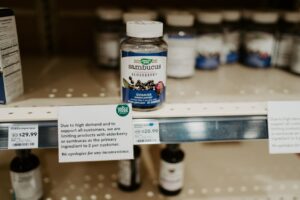
Stress Reduces Cognitive Performance by 20%, Study Shows—Botanicals May Offer Partial Relief
16/08/2026

Stress impairs memory and attention by up to 20%, study finds—but botanical interventions show promise
21/07/2026
Frequently asked questions 12 Q&A — structured for Google featured snippets and AI discovery
Knowledge hub: guidelines, conventions and reports
Organizations working in migration and health
Related health topics
Traditional medicine (overview)Herbal medicineTraditional Chinese medicineSupplements (ashwagandha)Mindfulness (yoga overlaps)Diet and health
About this hub. Produced by the GMJ News Editorial Team as a public-good service. Every statistic is linked to its primary source. Documents are preserved in the GMJ Repository with full attribution. Georgian Medical Journal · Contact the editorial team