


Home › Topics › Traditional, Complementary and Integrative Medicine
Traditional, Complementary and Integrative Medicine
GMJ News knowledge hub · last reviewed September 2026 · Georgian Medical Journal
SummaryStatisticsGlossaryGMJ newsFAQDocumentsOrganizationsResearch
Traditional medicine is used by people across all six WHO regions, and by 2023 90 of 106 reporting Member States had national policies on traditional, complementary and integrative medicine (TCIM) — up from 25 in 1999 (third WHO global survey). The WHO Global Traditional Medicine Strategy 2025–2034, adopted by the 78th World Health Assembly, sets four objectives — evidence, safety and regulation, health-system integration, and cross-sectoral value — supported by the WHO Global Traditional Medicine Centre and ICD-11 Chapter 26 on Traditional Medicine conditions. From the artemisinin Nobel Prize to the drug-interaction risks of St John's wort, the field demands exactly what GMJ News provides: evidence-based, safety-first journalism that respects cultural heritage without abandoning scientific standards. Explore related evidence profiles in Ingredients A-Z and peer-reviewed research at the Georgian Medical Journal.
Primary sources: WHO health topic — Traditional, Complementary and Integrative Medicine · WHO Global Traditional Medicine Strategy 2025–2034
Key messages
Global reach
Traditional, complementary and integrative medicine (TCIM) is used by an estimated 80% of the world's population in some form. In 90% of WHO member states, TCIM is part of the formal or informal health system.
WHO strategy 2025-2034
The WHO Traditional Medicine Strategy 2025-2034 — endorsed by WHA78 in May 2025 — provides the global framework, with goals of advancing evidence, supporting integration, regulating practice and ensuring safety. It follows the 2019-2024 Strategy.
ICD-11 Chapter 26
WHO's ICD-11 includes a dedicated chapter on traditional medicine conditions (Chapter 26) — the first time traditional medicine diagnostic entities have been included in the international disease classification. This enables rigorous coding, epidemiology and evidence generation.
Artemisinin: the gold standard
Artemisinin — isolated from Artemisia annua (traditional Chinese medicine) by Tu Youyou in 1972 — became the backbone of modern malaria treatment and earned the 2015 Nobel Prize in Physiology or Medicine. This is the definitive example of traditional medicine leading to modern pharmacology.
Safety matters
TCIM is not inherently safe. Herbal preparations can cause direct toxicity, interact with conventional medicines, and may be contaminated or adulterated. The same evidence and safety standards that apply to conventional medicines must apply to TCIM.
GMJ TCIM Desk
The GMJ News TCIM Desk covers 63 topics across 7 formats using WHO's official terminology "Traditional, Complementary and Integrative Medicine" — with mandatory Citation Guard standards of 6+ PubMed citations per article.
Key statistics
WHO member states with national TCIM policies and laws — WHO Global Report 2019
Source: WHO Global Report on Traditional and Complementary Medicine 2019. Data from 170 member states.
Glossary of key terms
Latest GMJ coverage

Traditional Chinese herb shows promise for androgenetic alopecia treatment
12/06/2026
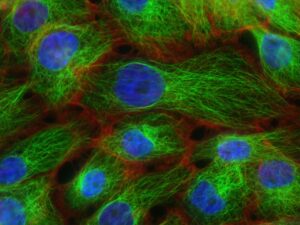
Scientists Create First Synthetic Cell in Laboratory: What It Means for Medicine
22/09/2026
Young Adults Show Accelerated Biological Aging and Higher Early-Onset Cancer Risk, Nature Medicine Study Finds
18/09/2026

High benchmark scores mask critical brittleness in health AI systems, Nature Medicine study reveals
19/08/2026
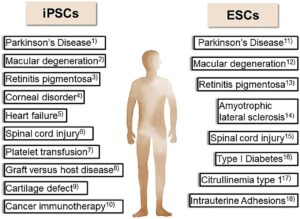
Danish Medicines Agency Launches Cell Therapy Clinical Trial Template
10/08/2026

AI-Enhanced Cardiac Imaging Enables Earlier Heart Transplantation: A Case Study from Nature Medicine
04/08/2026
Frequently asked questions 12 Q&A — structured for Google featured snippets and AI discovery
Knowledge hub: guidelines, conventions and reports
Organizations working in migration and health
Related health topics
SupplementsMalaria (artemisinin)Cancer (integrative oncology)Mental health (mind-body)Patient safetyUniversal health coverage
About this hub. Produced by the GMJ News Editorial Team as a public-good service. Every statistic is linked to its primary source. Documents are preserved in the GMJ Repository with full attribution. Georgian Medical Journal · Contact the editorial team