


Home › Topics › Inflammatory Bowel Disease
Inflammatory Bowel Disease
GMJ News knowledge hub · last reviewed October 2026 · Georgian Medical Journal
SummaryStatisticsGlossaryGMJ newsFAQDocumentsOrganizationsResearch
Inflammatory bowel disease (IBD) — encompassing Crohn's disease and ulcerative colitis — affects approximately 6.8 million people globally and is rapidly increasing in LMICs as they adopt Western lifestyle and dietary patterns, representing a new epidemic in regions where it was historically rare (WHO/Lancet). IBD causes chronic, relapsing intestinal inflammation, severe abdominal pain, diarrhoea, bleeding and — over decades — bowel damage, cancer risk and disability. The biologic therapy revolution — TNF inhibitors, vedolizumab, ustekinumab and JAK inhibitors — has transformed outcomes for patients with access to these agents.
Key messages
6.8 million worldwide — rising globally
IBD affects approximately 6.8 million people globally and is rapidly increasing in LMICs as they adopt Western lifestyles — transitioning from a disease of high-income countries to a truly global epidemic (Lancet Gastroenterology 2020).
Two main conditions
IBD encompasses Crohn's disease (transmural inflammation affecting any part of the GI tract — from mouth to anus) and ulcerative colitis (mucosal inflammation limited to the colon). Both cause chronic relapsing inflammation with significant disability.
Biologic revolution
TNF inhibitors (infliximab, adalimumab), vedolizumab, ustekinumab, JAK inhibitors (tofacitinib, filgotinib) and IL-23 inhibitors (risankizumab) have transformed IBD management — achieving mucosal healing and sustained remission in the majority of patients when treated early and aggressively.
Colorectal cancer risk
Long-standing ulcerative colitis (particularly pan-colitis >8-10 years) significantly increases colorectal cancer risk. Surveillance colonoscopy every 1-5 years is standard of care. Optimising inflammation control (mucosal healing) reduces cancer risk.
Microbiome central
IBD arises from an aberrant immune response to gut microbiota in genetically susceptible individuals. Disrupted gut microbiome composition is a consistent finding. Faecal microbiota transplantation (FMT) is effective for UC in clinical trials and may become a treatment option.
Young people most affected
IBD typically presents in young adults aged 15-35 — during their most productive years. The social, educational and occupational impact is enormous. IBD is associated with depression and anxiety at 2-3x higher rates than the general population.
Key statistics
IBD prevalence (per 100,000 population) by region — Lancet Gastroenterology 2020
Glossary of key terms
Latest GMJ coverage

Oxford Study Unravels Inflammatory Bowel Disease as Multiple Distinct Conditions
25/06/2026

New International Guidelines Standardize Ultrasound Monitoring for Post-Surgery Crohn’s Disease Patients
30/05/2026

Magnesium Deficiency Linked to Multiple Chronic Diseases: What the Evidence Shows
02/08/2026
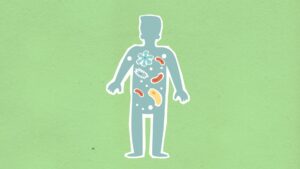
Gut Microbiome Shapes Mental Health and Disease Risk Through Bidirectional Brain Communication
24/05/2026

How Your Body Stores and Deploys Nutrients: A Systems View of Micronutrient Management
20/09/2026

How Your Gut Absorbs Nutrients: A Section-by-Section Guide to Digestive Checkpoints
15/08/2026
Frequently asked questions 12 Q&A — structured for Google featured snippets and AI discovery
Knowledge hub: guidelines, conventions and reports
Organizations working in migration and health
Related health topics
Colorectal cancerMental healthNutritionChronic painRare GI conditionsSocial determinants
About this hub. Produced by the GMJ News Editorial Team as a public-good service. Every statistic is linked to its primary source. Documents are preserved in the GMJ Repository with full attribution. Georgian Medical Journal · Contact the editorial team