


Meningitis
GMJ News knowledge hub · last reviewed October 2026 · Georgian Medical Journal
SummaryStatisticsGlossaryGMJ newsFAQDocumentsOrganizationsResearch
Meningitis can kill within 24 hours of symptom onset: it causes an estimated 238,000 deaths per year, and 1 in 5 survivors has lasting disability — hearing loss, brain damage or limb loss from septicaemia (WHO). Effective vaccines exist against the leading bacterial causes — meningococcal, pneumococcal and Hib — and have transformed the epidemiology in vaccinated populations. The WHO Defeating Meningitis by 2030 roadmap targets a 70% reduction in deaths and elimination of bacterial meningitis epidemics.
Key messages
Kills in hours
Bacterial meningitis can kill within 24 hours — every hour of antibiotic delay increases mortality by 7-10%. It is one of the few infectious diseases where speed is measured in hours not days.
Defeat Meningitis 2030
WHO's roadmap (WHA73) targets: eliminating bacterial meningitis epidemics; reducing vaccine-preventable cases by 50% and deaths by 70%; improving survivor quality of life.
Vaccines work
Effective vaccines exist against the main bacterial causes: meningococcal (A, B, C, W, Y), pneumococcal and Hib. MenAfriVac eliminated group A epidemic meningitis from the African meningitis belt.
1 in 5 survivors disabled
~20% of bacterial meningitis survivors have permanent disability — most commonly sensorineural hearing loss (affects 30% of pneumococcal meningitis survivors).
Non-blanching rash is an emergency
A purpuric (non-blanching) rash in a febrile patient signals meningococcal septicaemia — a medical emergency requiring immediate antibiotics. Absence does not exclude meningococcal disease.
Viral meningitis is different
Viral meningitis — mainly from enteroviruses — is far more common than bacterial and generally self-limiting. It does not require antibiotics. Laboratory distinction is essential.
Key statistics
Meningitis deaths globally (thousands) 2000-2019 — GBD/WHO
Source: Global Burden of Disease / WHO. Decline driven by PCV and Hib vaccination scale-up.
Glossary of key terms
Latest GMJ coverage
Meningitis Symptoms and Transmission: What Healthcare Providers Need to Know About Silent Carriers
03/07/2026

Valley fever patients face major care barriers in California’s Central Valley, study reveals
07/07/2026

The Kent MenB Lesson: Why Bacterial Recombination Demands a New Paradigm in Meningococcal Surveillance
23/09/2026
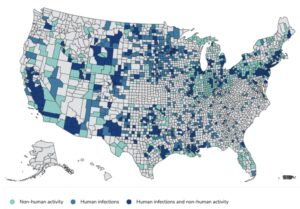
West Nile Virus Cases Hit Record High as CDC Urges Mosquito Protection Over Independence Day
17/09/2026

Two million people to benefit from PAHO health initiatives in crisis-affected countries
21/08/2026
Belgian Study Reveals Surge in Serotype 4 Pneumococcal Disease Among Young Men
08/06/2026
Frequently asked questions 12 Q&A — structured for Google featured snippets and AI discovery
Knowledge hub: guidelines, conventions and reports
Organizations working in migration and health
Related health topics
VaccinesChild healthSepsisAMRPneumoniaNewborn health
About this hub. Produced by the GMJ News Editorial Team as a public-good service. Every statistic is linked to its primary source. Documents are preserved in the GMJ Repository with full attribution. Georgian Medical Journal · Contact the editorial team