By using this site, you agree to the Privacy Policy and Terms of Use.
Accept
GMJ NewsGMJ NewsGMJ News
  • Latest News
    • GMJ Briefs
  • Podcast & Media
    • Podcast Episodes
    • GMJ Audio
    • GMJ Videos
  • Research Digest
    • New Studies
    • Georgian Research
    • Data & Numbers
  • Policy & Systems
    • Health Policy
    • Quality & Safety
    • Migration & Health
    • Global Health
  • Practice
    • Clinical Updates
    • Case Discussions
    • Pharmacy & Prescribing
    • Ingredients A-Z
  • Perspectives
    • Editorial
    • Explainers
    • Voices
    • Letters
  • GMJ Articles
    • Vol. 1 Issue 2 (2026)
    • Vol. 1 Issue 1 (2026)
    • Pre-Launch Articles (2025)
  • Read the Journal →
  • About GMJ News
Notification Show More
Font ResizerAa
GMJ NewsGMJ News
Font ResizerAa
  • Latest News
    • GMJ Briefs
  • Podcast & Media
    • Podcast Episodes
    • GMJ Audio
    • GMJ Videos
  • Research Digest
    • New Studies
    • Georgian Research
    • Data & Numbers
  • Policy & Systems
    • Health Policy
    • Quality & Safety
    • Migration & Health
    • Global Health
  • Practice
    • Clinical Updates
    • Case Discussions
    • Pharmacy & Prescribing
    • Ingredients A-Z
  • Perspectives
    • Editorial
    • Explainers
    • Voices
    • Letters
  • GMJ Articles
    • Vol. 1 Issue 2 (2026)
    • Vol. 1 Issue 1 (2026)
    • Pre-Launch Articles (2025)
  • Read the Journal →
  • About GMJ News
Follow US
GMJ News > Research Digest > New Studies > Belgian Study Reveals Surge in Serotype 4 Pneumococcal Disease Among Young Men
New StudiesResearch Digest

Belgian Study Reveals Surge in Serotype 4 Pneumococcal Disease Among Young Men

GMJ
Last updated: 08/06/2026 20:19
By
GMJ News Desk
Share
6 Min Read
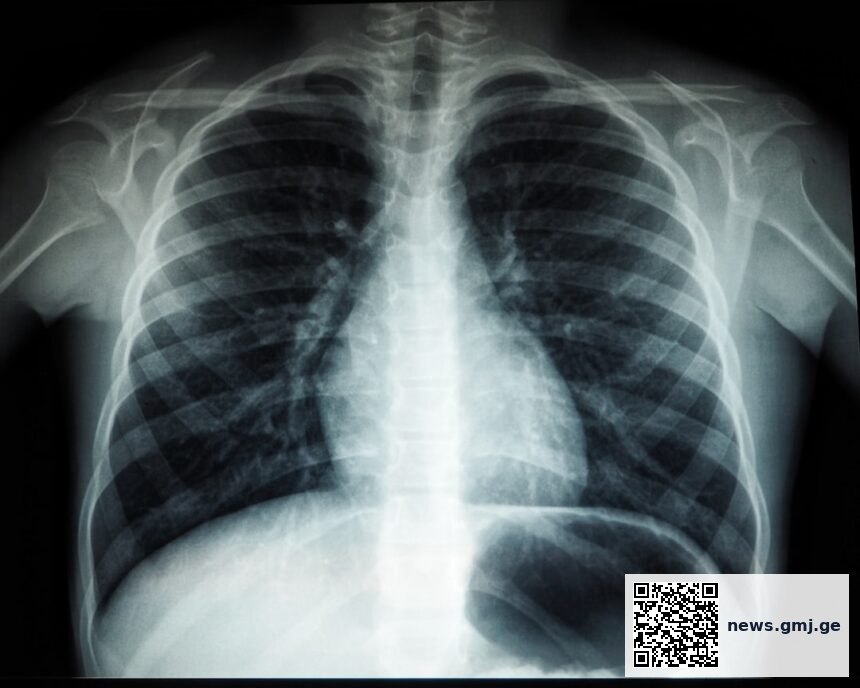
Healthcare surveillance monitoring pneumococcal disease trends in Belgium
Belgian researchers document rapid increase in serotype 4 invasive pneumococcal disease among vulnerable young men from 2020-2024. Multi-institutional surveillance study highlights emerging public health concern requiring enhanced monitoring. — Photo: Umanoide / Pexels
SHARE
3 min read|555 words
✓ Editorially Reviewed by Prof. Giorgi Pkhakadze, MD, MPH, PhD — GMJ News Desk

🟠 Moderate Evidence

Contents
    • Key takeaways
      • Study at a Glance
      • Pneumococcal Disease Surveillance Trends
  • Emerging Epidemiological Pattern in Belgium
  • Implications for Public Health Surveillance
  • Clinical and Laboratory Collaboration
    • What this means
  • Frequently asked questions
    • What is serotype 4 pneumococcal disease?
    • Why are young men particularly affected?
    • How does this relate to pneumococcal vaccination?

A significant increase in serotype 4 invasive pneumococcal disease cases among vulnerable young male adults has been documented in Belgium between 2020 and 2024, according to research published in the International Journal of Infectious Diseases. The study, led by Dr. Lize Cuypers and colleagues from multiple Belgian institutions, highlights an emerging public health concern.

Key takeaways

  • Serotype 4 invasive pneumococcal disease cases increased rapidly among young Belgian men from 2020-2024, according to Cuypers et al. (International Journal of Infectious Diseases, 2026)
  • Vulnerable populations appear disproportionately affected by this emerging epidemiological trend

Study at a Glance

Source International Journal of Infectious Diseases
Study type Epidemiological surveillance study
Study period 2020-2024
Population Young male adults in Belgium
Country Belgium
4-year period
timeframe showing rapid increase in serotype 4 invasive pneumococcal disease among vulnerable young Belgian men (Cuypers et al., 2026)

Pneumococcal Disease Surveillance Trends

Invasive pneumococcal disease monitoring across European populations, 2020-2024

2020
Study start year
2024
Study end year
Serotype 4
Emerging strain

Source: International Journal of Infectious Diseases, 2026 | Georgian Medical Journal News

Submit Your Paper
GMJ_Submit_Banner

Emerging Epidemiological Pattern in Belgium

The research team, including investigators from KU Leuven, CHU de Liège, and Hôpital Erasme, documented a concerning epidemiological shift in invasive pneumococcal disease patterns. According to the World Health Organization, pneumococcal disease remains a leading cause of morbidity and mortality globally, particularly affecting vulnerable populations.

🎙️ Related Podcast Episodes
🎧 #54 | GMJ Podcast | The Blueprint of a Medical Journal: Designing an Open-Access Scientific Platform · 19m
🎧 #53 | GMJ Podcast | Palliative Care in Georgia — Health System Gaps, Access Barriers, and Policy Implications · 16m
🎧 #46 | GMJ Podcast | Angioplasty of Saphenous Vein Grafts — Risks, Outcomes, and Clinical Strategies · 21m
🎧 #27 | WHO Calls for Environmentally Friendly and Less Invasive Oral Health Care · 21m
🎧 #26 | Denmark Becomes First EU Country to Eliminate Mother-to-Child Transmission of HIV and · 14m

Implications for Public Health Surveillance

The rapid increase observed among young male adults was identified by Dr. Nicolas Dauby and Dr. Stefanie Desmet, senior authors on the study, along with their research team through enhanced laboratory surveillance systems across Belgian healthcare facilities.

The European Centre for Disease Prevention and Control (ECDC) has emphasized the importance of continuous monitoring of pneumococcal serotype distribution to inform vaccination policy updates.

Clinical and Laboratory Collaboration

The multi-institutional collaboration involved clinical teams from several Belgian hospitals, including contributions from Dr. Katrien Lagrou’s laboratory group and clinical investigators Dr. Philippe Clevenbergh, Dr. Gilles Darcis, and Dr. Maya Hites. Their coordinated surveillance approach enabled comprehensive tracking of invasive pneumococcal disease cases across different healthcare settings.

The study documents a rapid increase in serotype 4 invasive pneumococcal disease specifically affecting vulnerable young male adults in Belgium over a four-year surveillance period

— Dr. Lize Cuypers, KU Leuven (International Journal of Infectious Diseases, 2026)

What this means

For patients: Young men in high-risk categories should discuss pneumococcal vaccination status with healthcare providers and seek prompt medical attention for respiratory symptoms
For clinicians: Enhanced awareness of serotype 4 pneumococcal disease emergence may inform diagnostic and treatment decisions, particularly for vulnerable young male patients
For policymakers: Surveillance data supports continued monitoring of pneumococcal serotype distribution and potential evaluation of vaccination program effectiveness

Frequently asked questions

What is serotype 4 pneumococcal disease?

Serotype 4 is a specific strain of Streptococcus pneumoniae bacteria that can cause invasive infections including pneumonia, bacteremia, and meningitis. Different serotypes have varying pathogenic potential and vaccine coverage.

Why are young men particularly affected?

The study identified vulnerable young male adults as disproportionately affected, though specific risk factors require further investigation.

How does this relate to pneumococcal vaccination?

Changes in serotype distribution often occur following widespread vaccination programs as non-vaccine serotypes may become more prevalent.

The Belgian surveillance data from Cuypers et al. underscore the critical importance of maintaining robust epidemiological monitoring systems for vaccine-preventable diseases.

Source: Erratum to “Rapid increase in serotype 4 invasive pneumococcal disease among vulnerable young male adults in Belgium (2020-2024)” [International Journal of Infectious Diseases 163 (2026) 108216]

Was this article helpful?

Related Coverage

Intermittent Fasting Rewires Brain and Gut Microbiome, New Study RevealsJun 8, 2026
MAGE-A4/MAGE-A8-Targeted Bispecific T Cell Engager Shows Promise in Refractory Solid TumorsJun 8, 2026
Triple-Drug Therapy Extends Survival in Advanced Prostate Cancer TrialJun 8, 2026
Multi-country study reveals critical gaps in Chagas disease data systems across Bolivia and ParaguayJun 8, 2026
TAGGED:Belgium surveillanceepidemiological trendsinvasive bacterial infectionpneumococcal diseaseserotype 4
Share This Article
Facebook LinkedIn Bluesky Copy Link Print
Leave a Comment Leave a Comment

Leave a Reply Cancel reply

Your email address will not be published. Required fields are marked *

Submit Your Paper →

Georgia's peer-reviewed open-access medical journal. No APC until January 2027.
Submit Manuscript →
Intermittent Fasting Rewires Brain and Gut Microbiome, New Study Reveals

New research reveals intermittent fasting triggers coordinated changes in brain appetite control…

MAGE-A4/MAGE-A8-Targeted Bispecific T Cell Engager Shows Promise in Refractory Solid Tumors

Novel bispecific T cell engager IMA401 targeting MAGE-A4/MAGE-A8 shows encouraging safety and…

Triple-Drug Therapy Extends Survival in Advanced Prostate Cancer Trial

Triple-drug combination therapy significantly improved survival outcomes in advanced prostate cancer trial.…

Submit Your Paper to GMJ

No APC until January 2027.
Submit Manuscript →

You Might Also Like

Medical illustration showing osteomyelitis bone infection with diagnostic imaging
New StudiesResearch Digest

Osteomyelitis: New Global Evidence on Diagnosis and Treatment of Bone Infections

By
GMJ News Desk
29/05/2026
Medical illustration showing stem cell-derived heart patch being placed on damaged cardiac tissue
New StudiesResearch Digest

Stem Cell Heart Patch Shows Promise in Advanced Heart Failure Trial

By
GMJ News Desk
04/06/2026
Medical chart showing increased cardiovascular risks from light smoking with statistical data
New StudiesResearch Digest

Light Smoking Doubles Heart Disease Risk Even With Just Two Cigarettes Daily

By
GMJ News Desk
25/05/2026
Chart showing decline in infectious disease burden across age groups in China from 2000 to 2023
New StudiesResearch Digest

China’s Infectious Disease Burden Drops by Half Since 2000, But Age-Related Challenges Emerge

By
GMJ News Desk
29/05/2026
Facebook Twitter Youtube Instagram
Company
  • Privacy Policy
  • Contact US
  • GMJ Journal
  • Submit Manuscript
  • Editorial Team
  • Register at GMJ
  • Terms of Use

Subscribe to GMJ News — Click here

Join Community
© 2026 Georgian Medical Journal (GMJ). Published by the Public Health Institute of Georgia (PHIG). All rights reserved.
Welcome Back!

Sign in to your account

Username or Email Address
Password

Lost your password?

Not a member? Sign Up