


Home › Topics › Noma (Cancrum Oris)
Noma (Cancrum Oris)
GMJ News knowledge hub · last reviewed October 2026 · Georgian Medical Journal
SummaryStatisticsGlossaryGMJ newsFAQDocumentsOrganizationsResearch
Noma (cancrum oris) — a rapidly progressive gangrenous disease of the oral cavity and face — is one of humanity's most devastating and stigmatising diseases, destroying facial tissues with ferocious speed in severely malnourished children aged 2-6 years: it kills approximately 90% of untreated cases within 2 weeks and leaves survivors with severe disfigurement requiring complex reconstructive surgery (WHO). With approximately 140,000 cases per year (massively underreported) predominantly in West Africa (Nigeria, Niger, Ethiopia, Chad), noma was added to the WHO Neglected Tropical Diseases list in 2023 — finally gaining the global attention its burden demands. Noma is entirely preventable through adequate nutrition, vaccination and treatment of early gingivitis.
Key messages
WHO NTD since 2023 — long overdue
Noma was added to the WHO Neglected Tropical Diseases list in December 2023 — a landmark recognition of a disease that kills 90% of untreated cases within 2 weeks and is entirely preventable yet remains among the most neglected and invisible diseases in global health.
90% mortality — devastating survivors
Noma kills approximately 90% of untreated patients within 2 weeks of onset through rapid gangrenous progression. Survivors — approximately 140,000 new cases/year — are left with severe facial disfigurement requiring complex reconstructive surgery unavailable in most endemic settings.
Disease of extreme poverty — children 2-6
Noma almost exclusively affects severely malnourished children aged 2-6 years in extreme poverty — in West and Central Africa (primarily Nigeria, Niger, Ethiopia, Chad, Guinea-Bissau) — where it is driven by malnutrition, immunocompromise, inadequate sanitation and lack of access to care.
Entirely preventable
Noma is entirely preventable through: adequate nutrition (preventing the malnutrition-immunocompromise that allows oral microbiota to become pathogenic); childhood vaccination programmes; treatment of early-stage gingivitis with penicillin; and safe water and sanitation.
Mycolactone-like mechanism — rapid tissue destruction
Noma begins as acute necrotising gingivitis (ANUG) in malnourished, immunocompromised children — progressing within hours to days to gangrenous destruction of oral soft tissues and facial bones. Fusobacterium necrophorum and Prevotella intermedia are key pathogens in the polymicrobial infection.
Reconstruction requires multiple surgeries
Survivors of noma have severe facial disfigurement — loss of lips, cheeks, nose, jaw. Reconstruction requires multiple staged surgeries (trismus release, bone grafting, soft tissue reconstruction) — available at only a handful of specialist centres globally and inaccessible to most survivors in endemic areas.
Key statistics
Noma — estimated cases by country (approximate annual) — WHO
Source: WHO. Massively underreported across West and Central Africa.
Glossary of key terms
Latest GMJ coverage
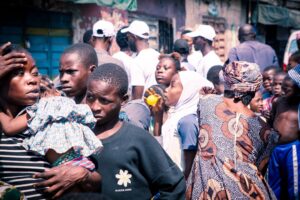
New mapping of noma disease across Nigeria reveals scale of neglected tropical disease burden
14/09/2026

Ultra-processed foods linked to higher kidney cancer risk in large US study
23/08/2026
Tailored drug combinations show promise against treatment-resistant melanoma in preclinical study
19/08/2026

Rare pelvic tumour safely removed through interdepartmental collaboration at Hungarian teaching hospital
11/08/2026

FDA-Approved Drug Restores Immunotherapy Efficacy in Rare Liver Cancer by Releasing Trapped T Cells
10/08/2026

Rb Pathway Inactivation Drives Squamous Transformation in EGFR-Mutant Lung Cancers
12/07/2026
Frequently asked questions 12 Q&A — structured for Google featured snippets and AI discovery
Knowledge hub: guidelines, conventions and reports
Organizations working in migration and health
Related health topics
NTDsNutritionChild healthOral healthSocial determinantsVaccination (measles prevention)
About this hub. Produced by the GMJ News Editorial Team as a public-good service. Every statistic is linked to its primary source. Documents are preserved in the GMJ Repository with full attribution. Georgian Medical Journal · Contact the editorial team