


Oral Health
GMJ News knowledge hub · last reviewed October 2026 · Georgian Medical Journal
SummaryStatisticsGlossaryGMJ newsFAQDocumentsOrganizationsResearch
Oral diseases are the most widespread noncommunicable diseases on the planet, affecting an estimated 3.5 billion people — nearly half of humanity — led by untreated dental caries, severe periodontal disease and tooth loss (WHO Global Oral Health Status Report 2022). Three-quarters of those affected live in low- and middle-income countries, where care is often unavailable or unaffordable; oral cancers add hundreds of thousands of cases a year, strongly linked to tobacco, alcohol and areca nut. The WHO Global Strategy and Action Plan on Oral Health 2023–2030 aims to integrate oral care into universal health coverage — moving a field long left to private markets back into public health.
Primary sources: WHO fact sheet — Oral health · WHO Global Oral Health Status Report 2022
Key messages
Most prevalent condition
Oral diseases affect approximately 3.5 billion people globally — making them collectively the most prevalent health conditions in the world. Untreated dental caries (tooth decay) in permanent teeth is the most prevalent condition in the GBD study.
Neglected public health issue
Oral health has been described by WHO as a "neglected epidemic." Despite the universal nature of oral diseases, dentistry is often excluded from national health insurance schemes, and oral health receives less than 1% of development aid for health.
General health link
Oral health is profoundly linked to general health. Periodontitis (gum disease) is associated with diabetes (bidirectional), cardiovascular disease, adverse pregnancy outcomes and respiratory infections. Oral bacteria can enter the bloodstream and affect distant organs.
Prevention is possible
The main oral diseases — caries, periodontitis and oral cancer — are largely preventable. Fluoride (water fluoridation, fluoride toothpaste), dietary sugar reduction, smoking cessation and early HPV vaccination substantially reduce the burden.
WHO 2030 Strategy
The WHO Global Oral Health Action Plan 2023-2030, endorsed by WHA75, provides the international framework — targeting 100% of countries with national oral health plans, integration of oral health into universal health coverage, and a global commitment to tackle the neglected epidemic.
Oral cancer
Oral cancer — cancers of the lip, tongue, gum, floor of mouth, palate and oropharynx — causes over 380,000 new cases and 190,000 deaths per year. HPV (particularly HPV-16) is the leading cause of oropharyngeal cancers in high-income countries. Tobacco and alcohol are the main risk factors for oral cavity cancers.
Key statistics
Global burden of oral diseases by condition — GBD 2019 (millions affected)
Glossary of key terms
Latest GMJ coverage

New mapping of noma disease across Nigeria reveals scale of neglected tropical disease burden
14/09/2026

Jackfruit-derived biomaterial shows promise in reversing severe gum disease damage
14/07/2026

Fasting Diet Shows Promise for Reducing Gum Disease Inflammation in Clinical Trial
03/07/2026
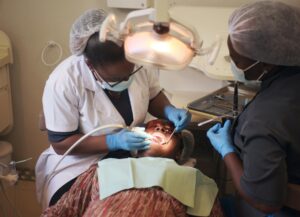
Tanzania Launches New Oral Health Strategy to Close Care Gaps and Boost Workforce
21/05/2026

Special Operations Forces Show Persistent Health Burden From Combat Trauma, New Study Reveals
30/07/2026

African Health Leaders Unite on Noncommunicable Diseases: New Commitments for SDG Targets by 2030
30/09/2026
Frequently asked questions 12 Q&A — structured for Google featured snippets and AI discovery
Knowledge hub: guidelines, conventions and reports
Organizations working in migration and health
Related health topics
Cancer (oral)Diabetes (periodontitis link)Cardiovascular diseaseNutrition (sugar)TobaccoUniversal health coverage
About this hub. Produced by the GMJ News Editorial Team as a public-good service. Every statistic is linked to its primary source. Documents are preserved in the GMJ Repository with full attribution. Georgian Medical Journal · Contact the editorial team