By using this site, you agree to the Privacy Policy and Terms of Use.
Accept
GMJ NewsGMJ NewsGMJ News
  • Latest News
    • GMJ Briefs
  • Podcast & Media
    • Podcast Episodes
    • GMJ Audio
    • GMJ Videos
  • Research Digest
    • New Studies
    • Georgian Research
    • Data & Numbers
  • Policy & Systems
    • Health Policy
    • Quality & Safety
    • Migration & Health
    • Global Health
  • Practice
    • Clinical Updates
    • Case Discussions
    • Pharmacy & Prescribing
    • Ingredients A-Z
  • Perspectives
    • Editorial
    • Explainers
    • Voices
    • Letters
  • GMJ Articles
    • Vol. 1 Issue 2 (2026)
    • Vol. 1 Issue 1 (2026)
    • Pre-Launch Articles (2025)
  • Read the Journal →
  • About GMJ News
Notification Show More
Font ResizerAa
GMJ NewsGMJ News
Font ResizerAa
  • Latest News
    • GMJ Briefs
  • Podcast & Media
    • Podcast Episodes
    • GMJ Audio
    • GMJ Videos
  • Research Digest
    • New Studies
    • Georgian Research
    • Data & Numbers
  • Policy & Systems
    • Health Policy
    • Quality & Safety
    • Migration & Health
    • Global Health
  • Practice
    • Clinical Updates
    • Case Discussions
    • Pharmacy & Prescribing
    • Ingredients A-Z
  • Perspectives
    • Editorial
    • Explainers
    • Voices
    • Letters
  • GMJ Articles
    • Vol. 1 Issue 2 (2026)
    • Vol. 1 Issue 1 (2026)
    • Pre-Launch Articles (2025)
  • Read the Journal →
  • About GMJ News
Follow US
GMJ News > Research Digest > New Studies > Gut bacteria present at birth may influence autism and ADHD risk in children
New StudiesResearch Digest

Gut bacteria present at birth may influence autism and ADHD risk in children

GMJ
Last updated: 04/06/2026 10:50
By
GMJ News Desk
Share
7 Min Read
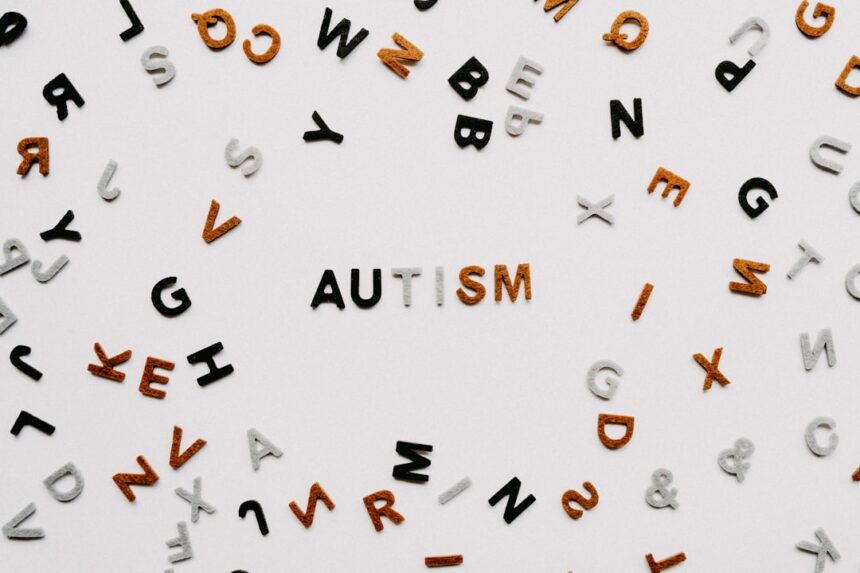
Scientific illustration showing gut bacteria and brain connection in infant development
New research reveals that gut bacteria present at birth may influence autism and ADHD risk, with epigenetic changes guiding microbiome development during the critical first year of life. Certain bacterial combinations appear to protect against neurodevelopmental symptoms by age three. — Photo: Annie Spratt / Pexels
SHARE
5 min read|900 words
✓ Editorially Reviewed by Prof. Giorgi Pkhakadze, MD, MPH, PhD — GMJ News Desk

🟠 Moderate Evidence

Contents
    • Key takeaways
      • Study at a Glance
      • Timeline of Gut-Brain Development
  • Epigenetic Programming Shapes Early Microbiome
  • Protective Bacterial Combinations Identified
  • Implications for Early Intervention Strategies
  • Future Research Directions
    • What this means
  • Frequently asked questions
    • Can probiotics during pregnancy prevent autism and ADHD?
    • How early can these protective gut bacteria be detected?
    • What factors influence infant gut bacteria development?

A groundbreaking study published in Science Daily suggests that gut bacteria present at birth may help protect against early signs of autism and attention deficit hyperactivity disorder (ADHD). The research reveals that epigenetic changes present at birth can influence gut microbiome development during a child’s first year, with specific bacterial combinations linked to neurodevelopmental outcomes by age three.

Key takeaways

  • Epigenetic changes at birth influence gut microbiome development in the first year of life
  • Certain gut bacteria combinations may protect against autism and ADHD symptoms
  • The gut-brain connection begins forming before birth through gene-microbe interactions

Study at a Glance

Source Research Publication
Study type Longitudinal cohort study
Follow-up period Birth to 3 years
Population Infants and children
Focus Gut microbiome and neurodevelopment
3 years
Age when autism and ADHD signs became detectable in relation to early gut bacteria patterns

Timeline of Gut-Brain Development

Key developmental milestones from birth to early childhood

Birth
Epigenetic changes present
Year 1
Microbiome develops
Age 3
Neurodevelopmental signs emerge

Source: Research findings, 2026 | Georgian Medical Journal News

Submit Your Paper
GMJ_Submit_Banner

Epigenetic Programming Shapes Early Microbiome

The study reveals that some of the groundwork for brain development may be established before birth through an unexpected partnership between a baby’s genes and gut microbes. According to the research findings published in Science Daily, epigenetic modifications present at birth appear to guide how the gut microbiome assembles during the critical first year of life.

🎙️ Related Podcast Episodes
🎧 #45 | GMJ Podcast | Tskaltubo Mineral Baths in Osteoarthritis — Microcirculation, Erythrocytes, and Clinical Effects · 18m
🎧 #41 | GMJ Podcast | Hydrochemical Stability and Radiobiology of Tskaltubo Mineral Water — Clinical and Scientific Evaluation · 17m
🎧 #39 | GMJ Podcast | Acne and Metabolic Dysfunction — Insulin Resistance, IGF-1, and Clinical Implications · 15m
🎧 #38 | GMJ Podcast | Acne and Metabolic Dysfunction — Insulin Resistance, IGF-1, and Clinical Implications · 21m
🎧 #30 | GMJ Podcast | Global Health: Why Health Systems Matter · 15m

These early epigenetic changes act as a biological blueprint that influences which bacterial species successfully colonize the infant gut. The researchers found that this gene-microbe interaction creates distinct microbial signatures that can be detected within months of birth, long before any neurodevelopmental symptoms become apparent.

For more insights on early childhood development research, visit our New Studies section.

Protective Bacterial Combinations Identified

The research identified specific combinations of gut bacteria that appear to offer protection against early signs of autism spectrum disorder and ADHD. These protective microbial communities were characterized by higher diversity and specific bacterial strains that support healthy neurotransmitter production and inflammation control.

Children who developed these protective bacterial profiles during their first year showed significantly fewer autism and ADHD symptoms when assessed at age three. The findings suggest that early microbial interventions might offer new approaches for supporting healthy neurodevelopment, though researchers emphasize that more studies are needed to confirm these associations.

The World Health Organization estimates that autism affects 1 in 100 children worldwide, making these potential preventive insights particularly significant for global health.

Implications for Early Intervention Strategies

This research opens new avenues for understanding how environmental factors during pregnancy and early infancy might influence long-term neurodevelopmental outcomes. The gut-brain axis, a bidirectional communication network between the gastrointestinal tract and the central nervous system, appears to be established much earlier than previously understood.

The findings suggest that interventions targeting maternal health, delivery methods, early feeding practices, and antibiotic use during infancy could potentially influence a child’s neurodevelopmental trajectory. However, researchers caution that translating these discoveries into clinical practice will require extensive validation studies.

For additional coverage of neurodevelopmental research, explore our Clinical Updates section.

Future Research Directions

While these findings provide compelling evidence for the role of early gut bacteria in neurodevelopment, several questions remain unanswered. Researchers are now investigating whether specific probiotic interventions during infancy could help establish protective microbial communities in at-risk children.

The study also raises important questions about how factors such as cesarean delivery, antibiotic exposure, and feeding methods might disrupt the natural establishment of protective gut bacteria. Future research will need to determine whether these early microbial disruptions can be corrected through targeted interventions.

Additional studies are planned to validate these findings in larger, more diverse populations and to explore the molecular mechanisms underlying the gut-brain communication pathways identified in this research.

Epigenetic changes present at birth can influence gut microbiome development during the first year of life, with certain bacterial combinations linked to reduced autism and ADHD symptoms by age three.

— Research findings, Science Daily (2026)

What this means

For patients: Understanding that gut health during infancy may influence neurodevelopment could inform feeding and healthcare decisions, though parents should consult healthcare providers before making changes
For clinicians: These findings may inform early screening approaches and highlight the importance of protecting infant gut microbiome health through judicious antibiotic use and breastfeeding support
For policymakers: Results suggest that maternal and infant health policies focusing on microbiome protection could have long-term neurodevelopmental benefits at the population level

Frequently asked questions

Can probiotics during pregnancy prevent autism and ADHD?

While this research shows associations between gut bacteria and neurodevelopment, there is currently insufficient evidence to recommend specific probiotic interventions for preventing autism or ADHD. More research is needed before clinical recommendations can be made.

How early can these protective gut bacteria be detected?

According to the study, distinct microbial signatures can be detected within months of birth, during the first year of life when the gut microbiome is rapidly developing.

What factors influence infant gut bacteria development?

Delivery method, feeding practices, antibiotic exposure, and maternal health during pregnancy all influence how an infant’s gut microbiome develops during the critical first year of life.

These findings represent a significant advance in understanding the early origins of neurodevelopmental conditions and highlight the importance of supporting healthy gut microbiome development from birth. As research in this field continues to evolve, it may lead to new preventive strategies that could benefit children at risk for autism and ADHD worldwide.

Source: Scientists discover gut bacteria that may help protect against autism and ADHD

Was this article helpful?

Related Coverage

Olive Oil Fat Accelerates Pancreatic Cancer While Fish Oil Cuts Risk by Half in MiceJun 6, 2026
Single protein discovery could unlock CAR-T cell therapy's full potentialJun 6, 2026
Medically Tailored Meals Show Promise in Reducing Healthcare Costs, Nature Medicine ReportsJun 6, 2026
Live biotherapeutic matches donor FMT in treating recurrent C. diff infectionJun 6, 2026
TAGGED:ADHDautismepigeneticsgut microbiomeneurodevelopment
Share This Article
Facebook LinkedIn Bluesky Copy Link Print
Leave a Comment Leave a Comment

Leave a Reply Cancel reply

Your email address will not be published. Required fields are marked *

Submit Your Paper →

Georgia's peer-reviewed open-access medical journal. No APC until January 2027.
Submit Manuscript →
Olive Oil Fat Accelerates Pancreatic Cancer While Fish Oil Cuts Risk by Half in Mice

New mouse study reveals oleic acid from olive oil accelerated pancreatic cancer…

Single protein discovery could unlock CAR-T cell therapy’s full potential

Researchers identify NFIL3 protein as key barrier to CAR-T cell therapy success.…

Medically Tailored Meals Show Promise in Reducing Healthcare Costs, Nature Medicine Reports

New evidence published in Nature Medicine shows medically tailored meals can reduce…

Submit Your Paper to GMJ

No APC until January 2027.
Submit Manuscript →

You Might Also Like

Medical illustration showing DNA helix with cancer risk assessment data for pediatric genetic testing
New StudiesResearch Digest

Genetic testing reveals elevated cancer risk in 18% of pediatric patients with hereditary variants

By
GMJ News Desk
30/05/2026
Brain neurons with vitamin D receptors controlling dopamine production
New StudiesResearch Digest

Vitamin D Directly Controls Dopamine Production in Human Brain Neurons, Studies Show

By
GMJ News Desk
27/05/2026
Rural healthcare facility with digital health monitoring equipment
New StudiesResearch Digest

Real-world data could revolutionize rural health research when RCTs prove impractical

By
GMJ News Desk
30/05/2026
Medical illustration showing osteomyelitis bone infection with diagnostic imaging
New StudiesResearch Digest

Osteomyelitis: New Global Evidence on Diagnosis and Treatment of Bone Infections

By
GMJ News Desk
29/05/2026
Facebook Twitter Youtube Instagram
Company
  • Privacy Policy
  • Contact US
  • GMJ Journal
  • Submit Manuscript
  • Editorial Team
  • Register at GMJ
  • Terms of Use

Subscribe to GMJ News — Click here

Join Community
© 2026 Georgian Medical Journal (GMJ). Published by the Public Health Institute of Georgia (PHIG). All rights reserved.
Welcome Back!

Sign in to your account

Username or Email Address
Password

Lost your password?

Not a member? Sign Up