🟠 Moderate Evidence
A significant increase in serotype 4 invasive pneumococcal disease cases among vulnerable young male adults has been documented in Belgium between 2020 and 2024, according to research published in the International Journal of Infectious Diseases. The study, led by Dr. Lize Cuypers and colleagues from multiple Belgian institutions, highlights an emerging public health concern.
Key takeaways
- Serotype 4 invasive pneumococcal disease cases increased rapidly among young Belgian men from 2020-2024, according to Cuypers et al. (International Journal of Infectious Diseases, 2026)
- Vulnerable populations appear disproportionately affected by this emerging epidemiological trend
Study at a Glance
| Source | International Journal of Infectious Diseases |
| Study type | Epidemiological surveillance study |
| Study period | 2020-2024 |
| Population | Young male adults in Belgium |
| Country | Belgium |
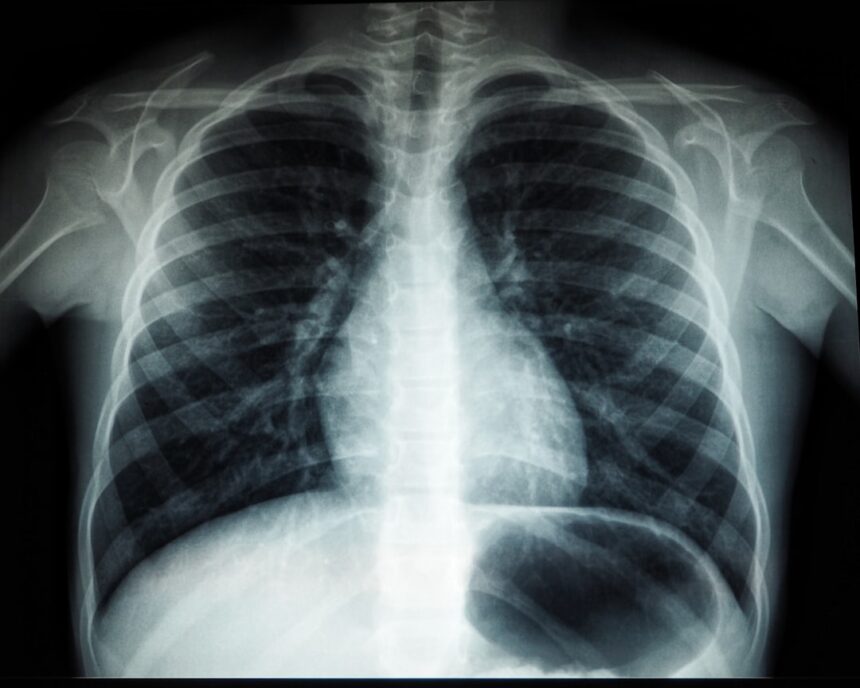
Pneumococcal Disease Surveillance Trends
Invasive pneumococcal disease monitoring across European populations, 2020-2024
Source: International Journal of Infectious Diseases, 2026 | Georgian Medical Journal News

Emerging Epidemiological Pattern in Belgium
The research team, including investigators from KU Leuven, CHU de Liège, and Hôpital Erasme, documented a concerning epidemiological shift in invasive pneumococcal disease patterns. According to the World Health Organization, pneumococcal disease remains a leading cause of morbidity and mortality globally, particularly affecting vulnerable populations.
Implications for Public Health Surveillance
The rapid increase observed among young male adults was identified by Dr. Nicolas Dauby and Dr. Stefanie Desmet, senior authors on the study, along with their research team through enhanced laboratory surveillance systems across Belgian healthcare facilities.
The European Centre for Disease Prevention and Control (ECDC) has emphasized the importance of continuous monitoring of pneumococcal serotype distribution to inform vaccination policy updates.
Clinical and Laboratory Collaboration
The multi-institutional collaboration involved clinical teams from several Belgian hospitals, including contributions from Dr. Katrien Lagrou’s laboratory group and clinical investigators Dr. Philippe Clevenbergh, Dr. Gilles Darcis, and Dr. Maya Hites. Their coordinated surveillance approach enabled comprehensive tracking of invasive pneumococcal disease cases across different healthcare settings.
The study documents a rapid increase in serotype 4 invasive pneumococcal disease specifically affecting vulnerable young male adults in Belgium over a four-year surveillance period
— Dr. Lize Cuypers, KU Leuven (International Journal of Infectious Diseases, 2026)
What this means
Frequently asked questions
What is serotype 4 pneumococcal disease?
Serotype 4 is a specific strain of Streptococcus pneumoniae bacteria that can cause invasive infections including pneumonia, bacteremia, and meningitis. Different serotypes have varying pathogenic potential and vaccine coverage.
Why are young men particularly affected?
The study identified vulnerable young male adults as disproportionately affected, though specific risk factors require further investigation.
How does this relate to pneumococcal vaccination?
Changes in serotype distribution often occur following widespread vaccination programs as non-vaccine serotypes may become more prevalent.
The Belgian surveillance data from Cuypers et al. underscore the critical importance of maintaining robust epidemiological monitoring systems for vaccine-preventable diseases.
Was this article helpful?
Disclaimer. This article is health journalism intended for general information and education. It is not medical advice and is not a substitute for professional diagnosis or treatment. Always consult a qualified healthcare provider about your individual circumstances. Full disclaimer →
Related Coverage



Medically reviewed by Prof. Giorgi Pkhakadze, MD, MPH, PhD. Spotted an error? Contact the editorial team.