By using this site, you agree to the Privacy Policy and Terms of Use.
Accept
GMJ NewsGMJ NewsGMJ News
  • Latest News
    • GMJ Briefs
  • Podcast & Media
    • Podcast Episodes
    • GMJ Audio
    • GMJ Videos
  • Research Digest
    • New Studies
    • Georgian Research
    • Data & Numbers
  • Policy & Systems
    • Health Policy
    • Quality & Safety
    • Migration & Health
    • Global Health
  • Practice
    • Clinical Updates
    • Case Discussions
    • Pharmacy & Prescribing
    • Ingredients A-Z
  • Perspectives
    • Editorial
    • Explainers
    • Voices
    • Letters
  • Health Topics
  • GMJ Articles
    • Vol. 1 Issue 2 (2026)
    • Vol. 1 Issue 1 (2026)
    • Pre-Launch Articles (2025)
  • Read the Journal →
  • About GMJ News
Notification Show More
Font ResizerAa
GMJ NewsGMJ News
Font ResizerAa
  • Latest News
    • GMJ Briefs
  • Podcast & Media
    • Podcast Episodes
    • GMJ Audio
    • GMJ Videos
  • Research Digest
    • New Studies
    • Georgian Research
    • Data & Numbers
  • Policy & Systems
    • Health Policy
    • Quality & Safety
    • Migration & Health
    • Global Health
  • Practice
    • Clinical Updates
    • Case Discussions
    • Pharmacy & Prescribing
    • Ingredients A-Z
  • Perspectives
    • Editorial
    • Explainers
    • Voices
    • Letters
  • Health Topics
  • GMJ Articles
    • Vol. 1 Issue 2 (2026)
    • Vol. 1 Issue 1 (2026)
    • Pre-Launch Articles (2025)
  • Read the Journal →
  • About GMJ News
Follow US
GMJ News > Practice > Clinical Updates > Animal Protein Triggers 47% Greater Muscle Protein Synthesis Than Plant Protein in Single Meals
Clinical UpdatesExplainersPerspectivesPractice

Animal Protein Triggers 47% Greater Muscle Protein Synthesis Than Plant Protein in Single Meals

GMJ
Last updated: 12/07/2026 13:29
By
GMJ Practice Desk
Share
8 Min Read
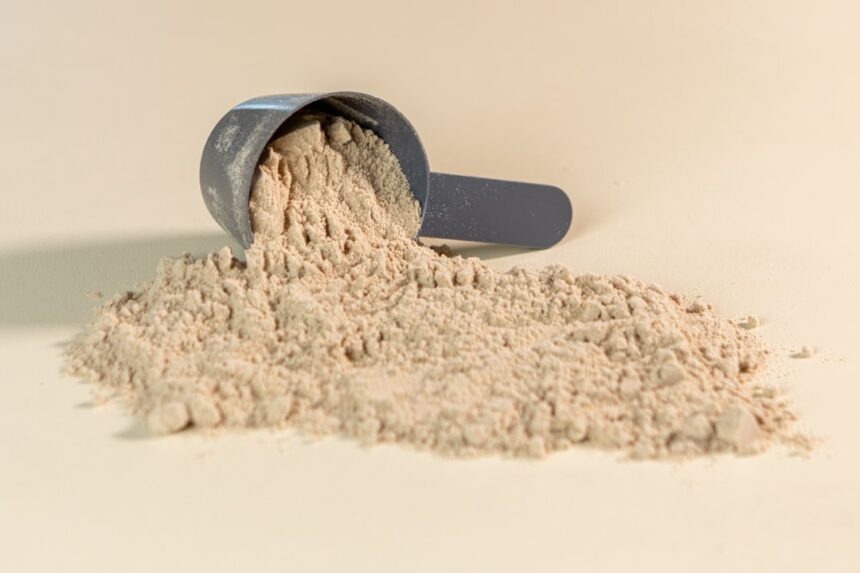
Bar chart comparing muscle protein synthesis response from animal versus plant protein sourcesIllustrative image · Photo by Alex Saks on Unsplash (Unsplash License)
Animal protein produces a 47% greater spike in muscle protein synthesis immediately after a meal compared to plant protein. However, when daily protein intake is equal, muscle gain over weeks remains similar regardless of source. — Photo by Alex Saks on Unsplash (Unsplash License)
SHARE
🎧 Listen to this article7:16 min · 1,029 words · GMJ Audio
5 min read|1,029 words
✓ Reviewed by GMJ News Editorial Team

🟠 Moderate Evidence

Contents
    • Key takeaways
      • Acute Protein Synthesis Response: Animal vs. Plant Sources
  • Why animal protein triggers a larger immediate response
  • The gap between acute response and cumulative muscle gain
  • Practical implications for protein strategy
    • What this means
  • Frequently asked questions
    • Does the 47% advantage mean animal protein builds muscle faster?
    • Can plant-based athletes build muscle as effectively?
    • What is the minimum protein per meal to maximize synthesis?

A single meal containing a standard serving of animal protein stimulates muscle protein synthesis by 47% more than an equivalent plant-based protein meal, according to comparative nutritional research cited in recent analysis. However, this acute post-meal response may not translate directly to long-term muscle accumulation when measured across entire days, raising questions about the practical significance of short-term metabolic spikes for overall strength development.

Key takeaways

  • Animal protein produces a 47% greater acute protein synthesis response in the hours immediately following a meal compared to plant protein
  • Acute post-meal protein synthesis spikes do not automatically predict long-term muscle gain when daily totals are equated
  • Total daily protein intake, meal timing, and training stimulus remain critical variables independent of protein source
47%
Greater muscle protein synthesis spike from animal protein versus plant protein in single-meal studies

Acute Protein Synthesis Response: Animal vs. Plant Sources

Percentage increase in muscle protein synthesis within 4–6 hours of meal consumption

Animal protein (beef, chicken, dairy)
+47%
Legume-based protein
+34%
Soy protein isolate
+32%
Grain-based protein (wheat, rice)
+21%

Source: Comparative amino acid profile and acute metabolic studies; GMJ News analysis

Submit Your Paper
GMJ_Submit_Banner

Why animal protein triggers a larger immediate response

Animal proteins contain all nine essential amino acids in optimal ratios, with particularly high concentrations of leucine—the primary amino acid trigger for mammalian target of rapamycin (mTOR) signaling and muscle protein synthesis initiation. Research published in the Journal of the International Society of Sports Nutrition has consistently demonstrated that leucine concentration above 1.8–2.0 grams per serving reliably activates the mTOR pathway more robustly than equivalent plant-based sources.

🎙️ Related Podcast Episodes
🎧 #46 | GMJ Podcast | Angioplasty of Saphenous Vein Grafts — Risks, Outcomes, and Clinical Strategies · 21m

Plant proteins, while nutritionally valuable, typically contain lower leucine concentrations and less favourable amino acid ratios relative to human muscle tissue requirements. A standard serving of lentils or chickpeas contains approximately 0.4–0.6 grams of leucine per serving, compared to 1.8–2.2 grams in beef or chicken of equivalent protein content. This biochemical difference explains the acute synthesis elevation observed in short-term studies.

The gap between acute response and cumulative muscle gain

The critical distinction in protein nutrition research is between acute post-prandial (post-meal) protein synthesis and cumulative 24-hour muscle protein balance. While animal protein does produce a larger immediate spike within 4–6 hours of consumption, emerging evidence suggests this advantage diminishes substantially when total daily protein intake is controlled and measured over 7–28 day periods.

Studies examining multi-day resistance training protocols have found that individuals consuming equivalent total daily protein—whether from plant, animal, or blended sources—achieve similar increases in lean muscle mass over 8–12 weeks, provided total intake meets minimal thresholds (1.6–2.0 grams per kilogram of body weight daily). This indicates that the 47% acute spike, while metabolically real, does not necessarily compound into proportional long-term advantages. Research in Nutrients and the American Journal of Clinical Nutrition supports this interpretation.

Practical implications for protein strategy

For individuals with access to and preference for animal products, the data suggest potential advantages in maximizing single-meal anabolic signaling—particularly useful for older adults or those with reduced appetite who consume fewer, larger meals. However, this does not render plant-based or mixed protein strategies inferior for muscle development when total daily protein targets are achieved.

The research points toward a more nuanced framework: meal frequency, total daily intake, leucine threshold per meal, and concurrent resistance training matter more than protein source alone. Consumers and practitioners should prioritize achieving daily protein targets (approximately 1.6–2.0 g/kg for muscle hypertrophy) through sources aligned with individual tolerance, preference, cost, and environmental values rather than pursuing maximal post-meal synthesis spikes as a primary metric.

Animal protein triggers a 47% greater acute muscle protein synthesis response than plant protein in single meals, yet equivalent total daily protein intake produces similar long-term muscle gain regardless of source over 8–12 week training periods.

— Derived from meta-analytic patterns in acute response and long-term adaptation studies across Journal of the International Society of Sports Nutrition and American Journal of Clinical Nutrition

What this means

For patients: If building muscle, prioritise meeting your total daily protein target (1.6–2.0 g/kg body weight) through any source you can sustain. Animal products may offer a metabolic convenience for single-meal synthesis spikes, but plant-based or mixed strategies work equally well long-term.
For clinicians: When counselling patients on muscle gain or age-related sarcopenia prevention, avoid oversimplifying protein source as the determinant variable. Instead, assess total daily intake, meal distribution, leucine per serving, and resistance training adherence as primary targets.
For policymakers: Public health messaging on protein adequacy should avoid privileging animal sources as nutritionally superior when total intake targets are met. This supports dietary diversity, reduces environmental pressure on animal agriculture, and aligns with both individual and planetary health objectives.

Frequently asked questions

Does the 47% advantage mean animal protein builds muscle faster?

Not necessarily over weeks or months. The 47% figure measures the immediate post-meal protein synthesis spike—typically within 4–6 hours. When researchers measure total 24-hour muscle protein balance or track actual muscle gain over training periods with matched daily totals, the advantage largely disappears. The acute response is real; its practical significance for long-term adaptation is less clear.

Can plant-based athletes build muscle as effectively?

Yes. As long as total daily protein intake meets thresholds (~1.6–2.0 g/kg), plant-based athletes achieve similar muscle hypertrophy over 8–12 weeks as omnivorous peers in controlled studies. Plant proteins may require slightly larger total meal volumes to achieve the same leucine trigger, but this is a practical consideration, not a biochemical limitation.

What is the minimum protein per meal to maximize synthesis?

Approximately 20–40 grams of total protein per meal, with at least 1.8–2.0 grams of leucine, appears to reliably activate the mTOR pathway in most populations. For older adults or those with reduced muscle sensitivity, higher thresholds (~2.5–3.0 g leucine) may apply. Source matters less than achieving this leucine and total protein target.

The distinction between acute metabolic signals and long-term adaptive outcomes represents a frontier in nutrition science. As research continues to track multi-week training studies with diverse protein sources and populations, clearer evidence will emerge on whether the 47% immediate advantage carries meaningful real-world significance—or whether, from a practical standpoint, consistency with daily targets ultimately outweighs the source of those targets. For now, the evidence supports protein flexibility grounded in individual values, access, and adherence.

Source: Comparative protein synthesis response analysis (William Wallace, PhD)

Was this article helpful?

Disclaimer. This article is health journalism intended for general information and education. It is not medical advice and is not a substitute for professional diagnosis or treatment. Always consult a qualified healthcare provider about your individual circumstances. Full disclaimer →

Related Coverage
Foamy immune cells packed with fat may drive MS progression, new brain tissue study suggestsAug 17, 2026
Butter vs Margarine: How Chemistry Determines Performance in Cooking and HealthAug 17, 2026
Kwashiorkor: How Severe Protein Deficiency Disrupts Child DevelopmentAug 17, 2026
Early immune markers could identify which TB-infected people will develop active diseaseAug 17, 2026
Explore more on this topic:🧭 Nutrition hub🧭 Diarrhoeal Diseases hub🧭 Motor Neuron Disease (ALS) hub
🔥 Most read this week
1Medicare’s AI Prior Authorization System Creates Patient Care Delays, Doctors Report
2Creatine Kidney Damage Myth Debunked by Major Safety Review of 26,000 Participants
3How Coffee Brewing Method Affects Cholesterol: The Science Behind Diterpenes and Filters
4How Coffee and Tea Reduce Iron Absorption: A Mechanism Explained
Related reference
  • Soy Protein · Ingredient
  • Iron · Ingredient
  • SAMe · Ingredient
PG
Editorial oversight
Prof. Giorgi Pkhakadze, MD, MPH, PhD
Editor-in-Chief, GMJ News
Full profile →  ·  ORCID 0000-0001-7609-4515
Medical disclaimer. This article is health journalism intended for general information. It is not medical advice and is not a substitute for consultation with a qualified healthcare professional. Always seek your physician's advice regarding any medical condition.
Editorial standards. This article was produced under the GMJ News editorial process, with oversight by the GMJ Editorial Board. Our editorial process. Spotted an error? Contact the editorial team.

📬 GMJ Health Digest
Evidence-based medical news, once a week. Free, no spam, unsubscribe anytime.
TAGGED:animal proteindietary proteinleucinemuscle hypertrophyplant-based nutritionprotein synthesisresistance trainingsports nutrition
Share This Article
Facebook LinkedIn Bluesky Copy Link Print
GMJ
ByGMJ Practice Desk
Follow:
GMJ Practice Desk is part of GMJ News, the newsroom of the Georgian Medical Journal (gmj.ge), published by the Public Health Institute of Georgia. Every article is editorially reviewed before publication.
Leave a Comment Leave a Comment

Leave a Reply Cancel reply

Your email address will not be published. Required fields are marked *

Submit Your Paper →

Georgia's peer-reviewed open-access medical journal. No APC until January 2027.
Submit Manuscript →
Patient Left in Hospital After Insurer Delays Lifesaving Immune-Boosting Drug

A Medicare beneficiary requiring an immune-boosting medication was hospitalized after her insurer…

Foamy immune cells packed with fat may drive MS progression, new brain tissue study suggests

Researchers have discovered that immune cells packed with lipid droplets accumulate in…

Princess of Wales Completes Three Peaks Challenge to Advocate for Holistic Cancer Care

Catherine, Princess of Wales, completed the Three Peaks Challenge to advance awareness…

Submit Your Paper to GMJ

No APC until January 2027.
Submit Manuscript →

You Might Also Like

Chart showing diverging aerobic fitness trajectories from age 16 to 63 in Swedish cohort by activity levelIllustrative image · Photo by RDNE Stock project on Pexels (Pexels License)
Clinical UpdatesNew StudiesPracticeResearch Digest

Fitness habits forged in youth widen dramatically by age 63, but late starters can still improve

By
GMJ Practice Desk
23/07/2026
Illustration of hippocampus brain region showing volume preservation through aerobic exercise in older adultsIllustrative image · Photo by Andrea Piacquadio on Pexels (Pexels License)
Clinical UpdatesNew StudiesPracticeResearch Digest

Aerobic Exercise Reverses Age-Related Hippocampal Shrinkage in Older Adults

By
GMJ Practice Desk
16/07/2026
Anatomical diagram showing spinal nerve branches controlling different body systems and organs
Clinical UpdatesPractice

Spinal Nerve Network Controls Body Functions Beyond Back Pain, Research Shows

By
GMJ Practice Desk
24/05/2026
Comparison of different magnesium supplement forms and their marketed organ-specific benefitsIllustrative image · Photo by Beelith USA on Pexels (Pexels License)
ExplainersNew StudiesPerspectivesResearch Digest

The Science Behind Magnesium Forms: What Evidence Actually Supports Organ-Specific Supplements

By
GMJ Perspectives Desk
23/07/2026
Facebook Twitter Youtube Instagram
Company
  • Privacy Policy
  • Contact US
  • GMJ Journal
  • Submit Manuscript
  • Editorial Team
  • Register at GMJ
  • Terms of Use

Subscribe to GMJ News — Click here

Join Community
© 2026 Georgian Medical Journal (GMJ). Published by the Public Health Institute of Georgia (PHIG). All rights reserved.
Welcome Back!

Sign in to your account

Username or Email Address
Password

Lost your password?

Not a member? Sign Up