By using this site, you agree to the Privacy Policy and Terms of Use.
Accept
GMJ NewsGMJ NewsGMJ News
  • Latest News
    • GMJ Briefs
  • Podcast & Media
    • Podcast Episodes
    • GMJ Audio
    • GMJ Videos
  • Research Digest
    • New Studies
    • Georgian Research
    • Data & Numbers
  • Policy & Systems
    • Health Policy
    • Quality & Safety
    • Migration & Health
    • Global Health
  • Practice
    • Clinical Updates
    • Case Discussions
    • Pharmacy & Prescribing
    • Ingredients A-Z
  • Perspectives
    • Editorial
    • Explainers
    • Voices
    • Letters
  • GMJ Articles
    • Vol. 1 Issue 2 (2026)
    • Vol. 1 Issue 1 (2026)
    • Pre-Launch Articles (2025)
  • Read the Journal →
  • About GMJ News
Notification Show More
Font ResizerAa
GMJ NewsGMJ News
Font ResizerAa
  • Latest News
    • GMJ Briefs
  • Podcast & Media
    • Podcast Episodes
    • GMJ Audio
    • GMJ Videos
  • Research Digest
    • New Studies
    • Georgian Research
    • Data & Numbers
  • Policy & Systems
    • Health Policy
    • Quality & Safety
    • Migration & Health
    • Global Health
  • Practice
    • Clinical Updates
    • Case Discussions
    • Pharmacy & Prescribing
    • Ingredients A-Z
  • Perspectives
    • Editorial
    • Explainers
    • Voices
    • Letters
  • GMJ Articles
    • Vol. 1 Issue 2 (2026)
    • Vol. 1 Issue 1 (2026)
    • Pre-Launch Articles (2025)
  • Read the Journal →
  • About GMJ News
Follow US
GMJ News > Research Digest > New Studies > Digital Twins of Donor Lungs Could Transform Transplant Medicine
New StudiesResearch Digest

Digital Twins of Donor Lungs Could Transform Transplant Medicine

GMJ
Last updated: 09/06/2026 12:07
By
GMJ Research Desk
Share
5 Min Read
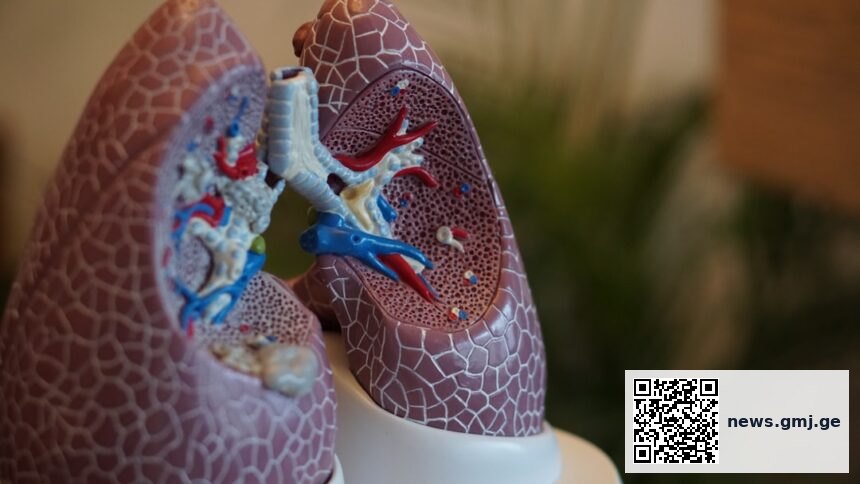
Digital representation of lung transplant technology and ex vivo perfusion systems
Researchers create digital twins of donor lungs using ex vivo perfusion data, enabling virtual testing of therapies and personalized transplant protocols. The breakthrough could revolutionize organ evaluation and improve patient outcomes. — Photo: Robina Weermeijer / Pexels
SHARE
3 min read|638 words

Researchers have successfully created ‘digital twins’ of donor lungs using multimodal data from hundreds of organs subjected to ex vivo perfusion, potentially revolutionizing how transplant teams evaluate organ viability and predict therapeutic outcomes. The breakthrough, published in Nature Medicine, represents a significant advance in precision transplantation medicine.

Contents
      • Ex Vivo Lung Perfusion Applications in Digital Medicine
  • Revolutionary Ex Vivo Perfusion Technology
  • Precision Medicine Applications
  • Data Integration and Machine Learning
  • Future of Transplant Medicine
    • Key takeaways
  • Frequently asked questions
    • What is ex vivo lung perfusion?
    • How do digital twins improve transplant outcomes?
    • Could this technology apply to other organ transplants?
Hundreds
of donor lungs analyzed to create digital twin models

Ex Vivo Lung Perfusion Applications in Digital Medicine

Potential uses of digital twin technology across transplant evaluation stages

Viability Assessment
90%
Function Prediction
75%
Therapeutic Testing
60%
Real-time Monitoring
45%

Source: Nature Medicine, 2026 | Georgian Medical Journal News

Revolutionary Ex Vivo Perfusion Technology

Ex vivo lung perfusion (EVLP) has emerged as a critical technology for maintaining donor organs outside the body while assessing their transplant suitability. According to the World Health Organization, organ transplantation saves thousands of lives annually, but donor organ shortages remain a persistent challenge globally.

Submit Your Paper
GMJ_Submit_Banner

The digital twin approach builds on extensive multimodal data collection during EVLP procedures. This comprehensive dataset enables researchers to create sophisticated computational models that mirror real lung behavior and predict therapeutic responses with unprecedented accuracy.

🎙️ Related Podcast Episodes
🎧 #4 Patient-Centred Care in Liver Transplantation in Georgia Professionalism, Communication, and Quality Standards in Transplant Services | GMJ Official Podcast · 17m
🎧 #47 | GMJ Podcast | Tskaltubo and the Future of Spa-Based Medicine — Radon Therapy, Rehabilitation, and Preventive Health · 19m
🎧 #42 | GMJ Podcast | IT Service Management in Healthcare — Governance, Procurement, and Service Delivery · 16m
🎧 #36 | GMJ Podcast | Artificial Intelligence and Doctor–Patient Communication — Evidence from Georgian Clinics · 18m

Precision Medicine Applications

The digital twin technology offers multiple applications in transplant medicine, from initial donor evaluation to post-transplant monitoring. These computational models can simulate various therapeutic interventions before implementation, potentially reducing complications and improving patient outcomes.

Research teams can now test different treatment protocols virtually, identifying optimal approaches for specific donor-recipient combinations. This personalized approach represents a significant shift from traditional one-size-fits-all transplant protocols.

Data Integration and Machine Learning

The success of digital twin technology relies on sophisticated data integration from multiple sources during ex vivo perfusion. Advanced machine learning algorithms process physiological parameters, imaging data, and biomarker profiles to create comprehensive organ models.

This approach enables continuous learning and model refinement as more donor lungs undergo evaluation. The National Institutes of Health has increasingly supported similar digital health initiatives that leverage big data for improved patient care.

Future of Transplant Medicine

Digital twin technology could extend beyond lung transplantation to other solid organ procedures. Early applications may focus on optimizing preservation protocols and predicting post-transplant complications before they occur.

The integration of artificial intelligence with traditional transplant evaluation represents a paradigm shift toward more evidence-based organ allocation and recipient matching. This technological advancement addresses critical challenges in transplant medicine while potentially expanding the donor organ pool.

Multimodal data from hundreds of lungs subjected to ex vivo perfusion enabled the development of digital twins capable of modeling lung function and therapeutic efficacy with unprecedented precision.

— Research Team, Nature Medicine Study (Nature Medicine, 2026)

Key takeaways

  • Digital twins of donor lungs created using comprehensive ex vivo perfusion data from hundreds of organs
  • Technology enables virtual testing of therapeutic interventions before implementation in patients
  • Applications span from donor evaluation to post-transplant monitoring and personalized treatment protocols
  • Approach could expand to other solid organ transplantation procedures in the future

Frequently asked questions

What is ex vivo lung perfusion?

Ex vivo lung perfusion is a technology that maintains donor lungs outside the body while assessing their function and suitability for transplantation. The process allows detailed evaluation and potential rehabilitation of organs before transplant.

How do digital twins improve transplant outcomes?

Digital twins enable virtual testing of different treatment approaches and predict organ behavior under various conditions. This allows transplant teams to optimize protocols and personalize care before actual implementation.

Could this technology apply to other organ transplants?

Yes, the digital twin approach could potentially extend to heart, liver, and kidney transplants. The underlying principles of data integration and predictive modeling are applicable across solid organ transplantation.

As digital twin technology continues to evolve, its integration into routine transplant practice could significantly improve organ utilization rates and patient outcomes. The combination of ex vivo perfusion with sophisticated computational modeling represents a major step forward in precision transplant medicine, offering hope for better outcomes and expanded access to life-saving procedures.

Source: From donor lungs to digital twins

Was this article helpful?

Disclaimer. This article is health journalism intended for general information and education. It is not medical advice and is not a substitute for professional diagnosis or treatment. Always consult a qualified healthcare provider about your individual circumstances. Full disclaimer →

Related Coverage

Autoimmune Disease Increases Risk of Poor Outcomes in Myelodysplastic SyndromeJun 10, 2026
Cannabis Edibles and Alcohol Create Hidden Impairment Risk for Drivers, Johns Hopkins Study RevealsJun 10, 2026
Breakthrough Drug Shows 75% Response Rate in Hard-to-Treat Lung CancerJun 10, 2026
Mirror-image pain after stroke linked to LPA-driven inflammation crossing brain hemispheresJun 10, 2026
PG
Written by
Prof. Giorgi Pkhakadze, MD, MPH, PhD
Editor-in-Chief, GMJ News
Full profile →
Medical disclaimer. This article is health journalism intended for general information. It is not medical advice and is not a substitute for consultation with a qualified healthcare professional. Always seek your physician's advice regarding any medical condition.
Medically reviewed by Prof. Giorgi Pkhakadze, MD, MPH, PhD. Spotted an error? Contact the editorial team.

Get the GMJ News digest
Evidence-based health journalism in your inbox. No spam; unsubscribe anytime.
TAGGED:digital twinsex vivo perfusionlung transplantorgan donationprecision medicine
Share This Article
Facebook LinkedIn Bluesky Copy Link Print
GMJ
ByGMJ Research Desk
Follow:
GMJ Research Desk is part of GMJ News, the newsroom of the Georgian Medical Journal (gmj.ge), published by the Public Health Institute of Georgia. Every article is editorially reviewed before publication.
Leave a Comment Leave a Comment

Leave a Reply Cancel reply

Your email address will not be published. Required fields are marked *

Submit Your Paper →

Georgia's peer-reviewed open-access medical journal. No APC until January 2027.
Submit Manuscript →
Autoimmune Disease Increases Risk of Poor Outcomes in Myelodysplastic Syndrome

New research published in Clinical Immunology establishes preexisting autoimmune disease as an…

Cannabis Edibles and Alcohol Create Hidden Impairment Risk for Drivers, Johns Hopkins Study Reveals

New Johns Hopkins research reveals that combining cannabis edibles with alcohol increases…

Breakthrough Drug Shows 75% Response Rate in Hard-to-Treat Lung Cancer

Sunvozertinib achieved a 75% response rate in previously untreated lung cancer patients…

Submit Your Paper to GMJ

No APC until January 2027.
Submit Manuscript →

You Might Also Like

Jakarta hospital survey showing antibiotic resistance patterns in bacterial infections
New StudiesResearch Digest

Jakarta Hospital Survey Reveals High Antibiotic Resistance in Common Bacterial Infections

By
GMJ Research Desk
05/06/2026
Brain scan showing neural processing differences between older and younger adults during balance tasks
New StudiesResearch Digest

Aging Brain Takes 50% Longer to Maintain Balance, New Neuroscience Study Reveals

By
GMJ Research Desk
06/06/2026
Vitamin D supplement bottles showing different dosage amounts
New StudiesResearch Digest

Why Your Vitamin D Dose May Be Wrong: New Research Reveals Flawed Shelf-Based Selection

By
GMJ Research Desk
27/05/2026
Medical illustration showing laser treatment targeting retinal cells in age-related macular degeneration
New StudiesResearch Digest

Laser Heat Treatment Shows Promise in Preventing Age-Related Blindness

By
GMJ Research Desk
28/05/2026
Facebook Twitter Youtube Instagram
Company
  • Privacy Policy
  • Contact US
  • GMJ Journal
  • Submit Manuscript
  • Editorial Team
  • Register at GMJ
  • Terms of Use

Subscribe to GMJ News — Click here

Join Community
© 2026 Georgian Medical Journal (GMJ). Published by the Public Health Institute of Georgia (PHIG). All rights reserved.
Welcome Back!

Sign in to your account

Username or Email Address
Password

Lost your password?

Not a member? Sign Up